
Review · TOKYO PHOTO TOURS & PHOTOSHOOTS
Exclusive Sumo Morning Practice in Tokyo with Photo Opportunity
A morning sumo practice gives you something a tournament cannot: a close look at the work behind the spectacle. Inside a stable near Tokyo Skytree, you watch young wrestlers warm up, drill, and spar with serious focus. There is no polished arena show here. It is training, and that makes the experience feel unusually direct.
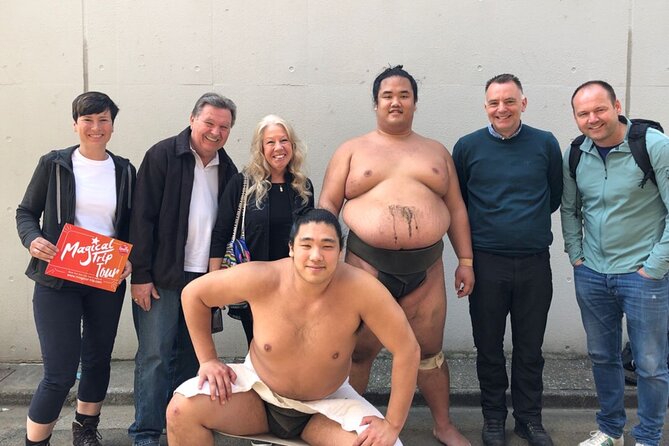
I like the small group limit of 10, which gives your guide room to explain what you are seeing. I also like the chance to take photos with the wrestlers and, when permitted, pose with the whole stable and the oyakata, or stable master. Guides including Hana, Kentake, and Yuki have been praised for clear explanations and strong English.
The main drawback is seating. It is first come, first served, and late arrivals may sit two or three rows back. Practice can also become repetitive after about an hour, so this suits you best if you want cultural access and close observation rather than nonstop action.
Key points before you book
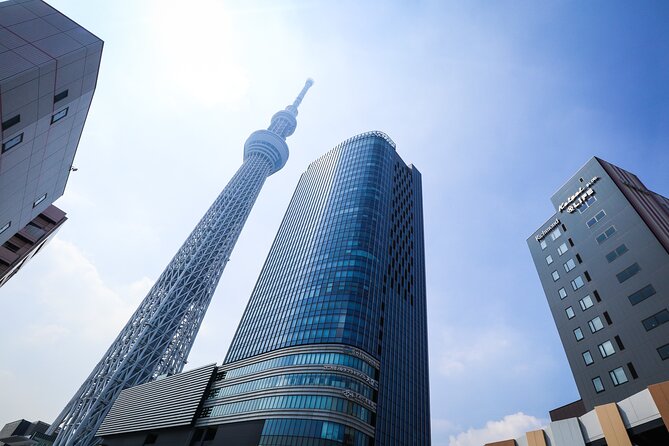
- See training near Tokyo Skytree: The stable is in the Oshiage area, making this easy to pair with a visit to the tower.
- Watch real practice, not a staged display: Wrestlers warm up, work through drills, and spar with full concentration.
- Keep your morning free for two hours: The 8:00 am start leaves much of the day open for sightseeing.
- Expect a small group: A maximum of 10 people allows for more personal help from the guide.
- Arrive early for better seating: Places on the tatami floor are assigned on a first-come basis.
- Bring water in summer: Tokyo’s heat and humidity can be intense, especially during the walk and wait outside.
Why a morning stable visit feels different from a tournament
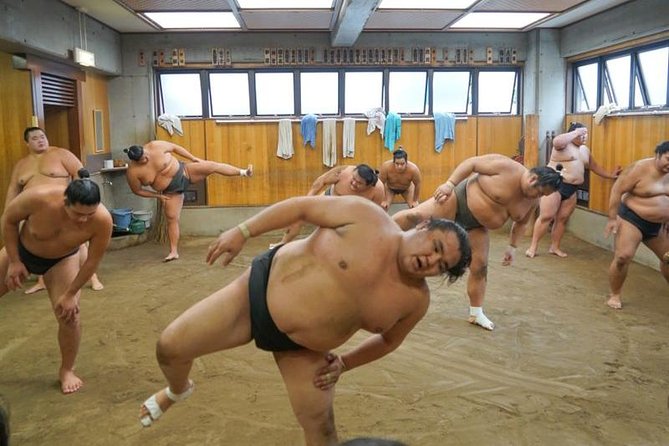
A sumo tournament gives you ceremony, crowds, rankings, and a full day of bouts. A stable practice shows the less public side of the sport. You see wrestlers repeat movements, prepare their bodies, and test one another without the bright production of an arena.
That difference matters. The wrestlers are not performing a special demonstration for this visit. They are carrying out their normal morning work. You might notice long periods of repetition, followed by sudden bursts of force when two men collide. The contrast helps you understand how much control and stamina the sport demands.
This is also a useful choice if your Tokyo dates do not match the tournament calendar. You do not need to wait for a grand tournament to see sumo in action. The experience gives you access to a stable, a place where wrestlers live and train, rather than only the public contest.
The practice can be intense. One of the most useful impressions from the experience is how seriously the wrestlers approach each bout. Their size is part of the picture, but strength, balance, timing, and discipline matter just as much. You will see why calling sumo simply a contest between large men misses much of the sport.
More Early-Start Trips around Tokyo:
- Tokyo Ryogoku Sumo Morning Practice + Photo Shoot with Wrestlers
★ 4.5 · 277 reviews - Tokyo Sumo Morning Practice Tour w/ Ring-Side Seat + Photo Shoot
★ 5.0 · 93 reviews - Barcelona: Paddleboarding at Sunrise. Includes: instructor, photos, equipment
★ 4.7 · 570 reviews
Meeting at Oshiage Station at 8:00 am
Your meeting point is the taxi stand inside the station rotary at Oshiage Station, in Sumida City. The address is 1-chome 1, Oshiage, and the activity begins at 8:00 am.
Oshiage is a practical meeting area because it is close to Tokyo Skytree and served by public transportation. Still, station exits and taxi stands can be confusing in Tokyo, particularly if you are trying to find a precise spot in a large station complex. Give yourself extra time to get oriented rather than aiming to arrive at the last minute.
One guide specifically helped a group after the meeting point caused initial confusion. The lesson is simple: check your mobile ticket and meeting instructions before leaving your hotel, and arrive early enough to ask for help if needed. The guide then escorts the group to one of the nearby stables.
The early start is a real advantage. Once the approximately two-hour activity ends, you can continue around Skytree, explore Asakusa, or use the rest of the day for another Tokyo sight. You do need to be ready for a morning appointment, though. This is not a late breakfast activity you can fit in after sleeping in.
Entering a sumo stable near Tokyo Skytree
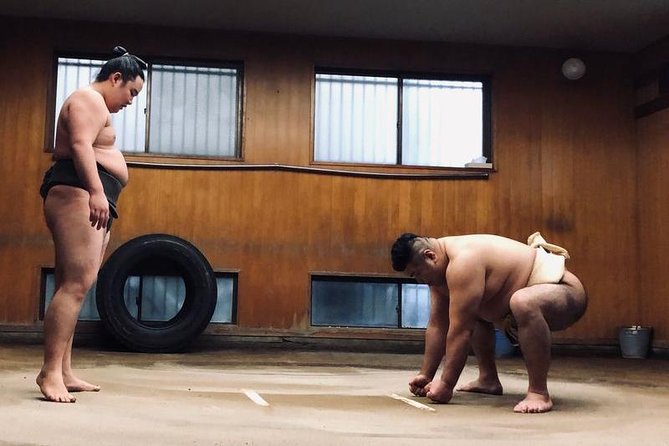
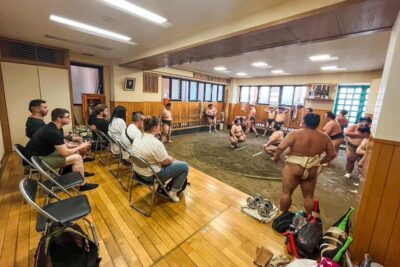
The stable is not a theater or museum. It is a working place, and that affects how you behave once inside. The tatami, or straw flooring, is the permitted viewing area. Other areas of the stable are off-limits.
That rule is worth taking seriously. You are being allowed to observe a private training environment, not wander around behind the scenes. Stay where the guide directs you, keep your belongings controlled, and avoid stepping beyond the tatami area. The setting feels special partly because it is not arranged like a tourist attraction.
The group size helps here. With no more than 10 people, your guide can explain customs without turning the visit into a large crowd. You are likely to have a better chance of seeing the action clearly than you would in a busy general tour, though your exact view still depends on arrival order and the number of groups at the stable that morning.
The stable is often visited by several tour companies. That means this experience may not feel private, even with a small group. Seating is first come, first served, and late arrivals can be placed two or three rows from the front. If being close matters to you, make punctuality a priority.
What you watch during the practice
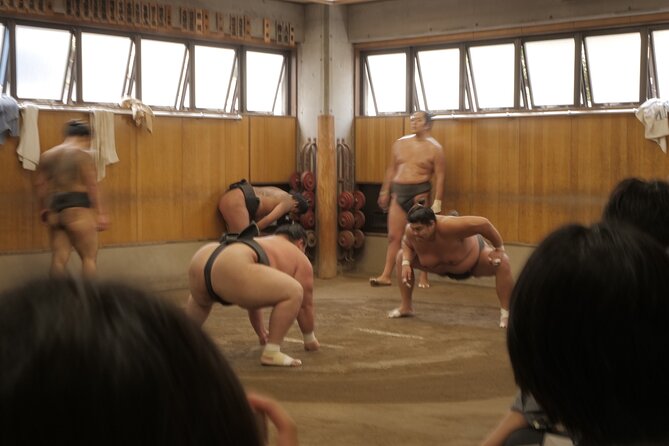
The session includes warmups and sparring. You may first see the wrestlers prepare their bodies, then move into drills and bouts with more force. The pace is not constant. Sumo practice has pauses, repetition, and moments when the wrestlers wait for their turn.
I would not book this expecting two straight hours of dramatic clashes. One hour may be enough for some people, especially if you are mainly interested in seeing the sport up close. The rest of the visit can still be valuable because the guide gives context and points out details you might miss on your own.
Watch the wrestlers’ concentration. The hard work is not limited to the final collision. Their stance, foot placement, balance, and ability to absorb force all become easier to notice from a close viewing position. You can also see that the participants may be quite young, an observation that gives the stable a more human feel than the imposing costumes and physiques suggest from a distance.
The practice is also a good lesson in the difference between sumo as sport and sumo as ceremony. The culture surrounding it is old, formal, and rule-bound, but the training itself is physical and repetitive. Your guide helps connect these two sides so the movements have meaning rather than appearing as a series of unexplained shoves.
More photo tours and shoots in Tokyo:
- Tokyo: Kimono Dressing, Walking, and Photography Session
★ 4.9 · 427 reviews - Best Go Kart Experience in Shibuya Crossing with Iconic Photos
★ 5.0 · 348 reviews - Tokyo Cyberpunk Street Photo Tour
★ 5.0 · 165 reviews - Tokyo by Night Photography Tour (Private Option Available)
★ 5.0 · 151 reviews
Guides who add useful context
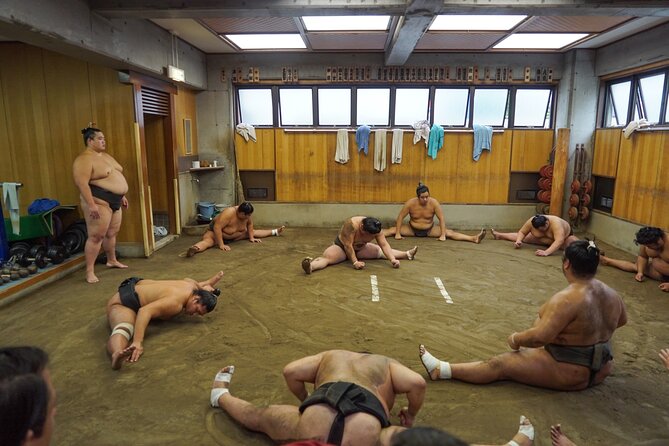
The guide is an important part of this experience. Without explanation, you may see impressive physical contact but miss the customs, language, and purpose behind it.
Hana has been praised for an enthusiastic approach. Kentake has been noted for fluent English and detailed explanations of sumo history and the wrestlers. Yuki has explained the background and philosophy in a thorough way. Guides can vary by date, so do not assume one particular person will lead your visit, but these names indicate the level of guidance that has been associated with the activity.
Good guiding matters most during the quieter stretches. A guide can explain what the wrestlers are doing, why the practice has a particular rhythm, and how the stable functions. You can also ask questions in a small group instead of trying to understand everything from a printed introduction.
The best explanations do not interrupt the practice. They give you enough context before or between bouts, then let you watch. That balance is especially useful for first-time visitors who know little about sumo but want more than a quick photo opportunity.
Photos with the wrestlers and stable master
Photography is one of the strongest reasons to choose this visit over a general sumo presentation. You have the chance to photograph the wrestlers during practice and may be able to pose with them afterward. Some participants have had the privilege of taking a group photo with the stable and the sensei, or stable master.
This opportunity comes with limits. The stable’s rules and the timing of the practice control what is possible. Do not treat the photo moment as guaranteed in exactly the same form every day. The supplied details specifically note the opportunity to take photos, but the training environment must come first.
Keep your camera or phone ready without making it a distraction. During practice, you should focus on the wrestlers rather than constantly checking your screen. When a photo session is allowed, follow the guide’s instructions about where to stand and when to take pictures.
A photo with the stable can be more meaningful than a standard tourist snapshot because it records your connection to a working sumo setting. Just remember that respectful behavior is part of the experience. The wrestlers are training, not posing for the entire morning.
Is $99.10 a fair price?
At $99.10 per person, this is not a cheap way to spend two hours in Tokyo. The price makes more sense if you place value on access. You are paying for a guide, a small group, cultural explanation, and the chance to enter a sumo stable, something most people in Japan do not get to see.
The activity also saves you from the uncertainty of trying to arrange a stable visit on your own. You meet at a central station, receive guidance in English, and have someone explain the setting and behavior expected inside. For many visitors, that structure is worth more than the cost of simply watching a public event from a distant seat.
The value is lower if you only want continuous action or a full sumo tournament. Practice has quiet stretches, repetition, and rules about where you can go. You may also sit farther back if you arrive late, which reduces the benefit of the close-up setting.
I would compare this price with your interests, not only with the clock. If sumo is high on your Tokyo list, the access makes the cost reasonable. If you are only mildly curious, you may prefer to see sumo through a cheaper museum or public broadcast, though those options will not place you inside a working stable.
Who will enjoy this morning experience
This visit is a strong fit for sports fans, cultural historians, photographers, and anyone who wants an activity outside the usual Tokyo checklist. It also works well for a first visit to Japan because the guide explains the customs in clear terms rather than assuming prior knowledge.
Families and older participants may appreciate the short duration, since the activity lasts about two hours rather than taking up a whole day. Most people can participate, and the group is limited to 10. The supplied information does not give detailed mobility guidance, so anyone with specific access needs should confirm the conditions before booking.
You should also like watching rather than doing. There is no indication that you take part in sumo training. The focus is observation, explanation, and photography.
This is less suitable if you dislike early starts, sitting quietly, or repeating movements. The training can be intense, but it is not edited for constant excitement. I would also think twice if your main goal is a guaranteed front-row view, since seating depends on arrival order.
Practical tips for a smoother visit
Arrive early at the Oshiage taxi stand. The meeting point can take a moment to find, and early arrival may also help with seating once the group reaches the stable.
Wear comfortable clothing for a morning near the station and stable. In summer, bring water and a hat. Tokyo can be very hot and humid, and heat stress is a real concern.
Keep your mobile ticket available. Booking confirmation is provided at the time of booking, and the activity accepts a mobile ticket, so you do not need to manage a paper voucher.
Remember that the experience ends where it begins, at the Oshiage meeting point. That makes it easy to continue toward Tokyo Skytree or plan another nearby activity without arranging a separate return transfer.
You can cancel for a full refund if you do so at least 24 hours before the 8:00 am start time. Cancellations or changes made inside that period are not accepted for a refund, and the cut-off uses Tokyo local time.
Should you book this sumo practice?
Book it if you want an up-close look at the discipline behind sumo, value clear English explanations, and can manage an early morning. The chance to watch real training near Tokyo Skytree, then possibly take photos with the wrestlers and stable master, is unusual and hard to reproduce on your own.
Skip it if you need a full tournament atmosphere, guaranteed front seating, or nonstop action. The practice can become repetitive, and the first-come seating rule means punctuality matters.
For the right person, this is one of Tokyo’s more distinctive cultural activities. It shows sumo as daily work, not just a dramatic contest, and that is precisely what gives the morning its value.
FAQ
Where does the sumo experience begin?
It begins at the taxi stand inside the station rotary at Oshiage Station, in Sumida City, Tokyo.
What time does the activity start?
The meeting time is 8:00 am.
How long does the sumo visit last?
The activity lasts approximately two hours.
Where does the sumo practice take place?
The group visits one of the sumo stables near Tokyo Skytree.
How many people can join the group?
The maximum group size is 10 people.
Is seating reserved?
No. Seating inside the stable is first come, first served. Late arrivals may sit two or three rows from the front.
Can I take photos with the wrestlers?
You can photograph the wrestlers, and there may be an opportunity to pose with them. A group photo with the stable and stable master may also be possible.
Can I cancel for a refund?
Yes. You can receive a full refund if you cancel at least 24 hours before the experience begins. Cancellations or changes made less than 24 hours before the start time are not refunded.
Just added around Tokyo
- Tokyo: Private Photoshoot at Shibuya Crossing★ 4.7 · 7 reviews
- Tokyo: Customized Private Historical Guided Photoshoot Tour★ 5.0 · 25 reviews
- Tokyo Private photo tour with Nightstreet Neon photographer★ 5.0 · 17 reviews
- Tokyo: Private Makeover Photography Studio in Luxury Kimono★ 5.0 · 22 reviews
- Tokyo: Private Instagramable Customised Tokyo City Day Tour★ 4.2 · 4 reviews
- Tokyo: Private Photo Shoot with a Professional Photographer★ 5.0 · 11 reviews
- Tokyo Portrait Tour with a Professional Photographer★ 5.0 · 29 reviews
- Tokyo: Photography Masterclass – Private Photo Lesson★ 5.0 · 7 reviews
Tokyo Photo Tours & Photoshoots, side by side.
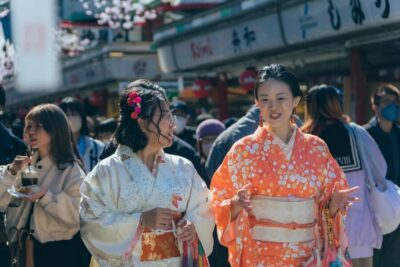
Kimono Dressing, Walking, and Photography Session
Read our review →
Best Go Kart Experience in Shibuya Crossing with Iconic Photos
Read our review →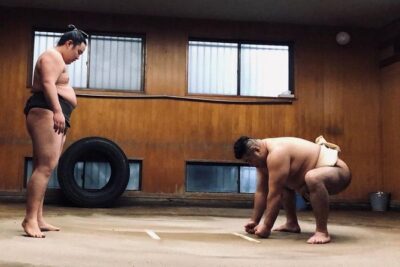
Tokyo Ryogoku Sumo Morning Practice + Photo Shoot with Wrestlers
Read our review →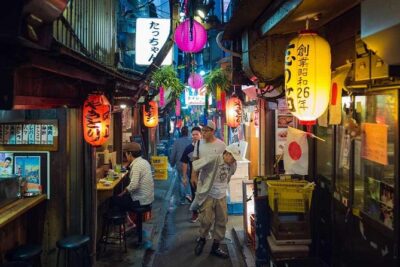

Tokyo by Night Photography Tour (Private Option Available)
Read our review →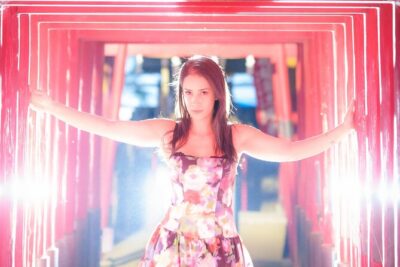
Sumo Practice Tour with Ring-Side Seat and Photoshoot
Read our review →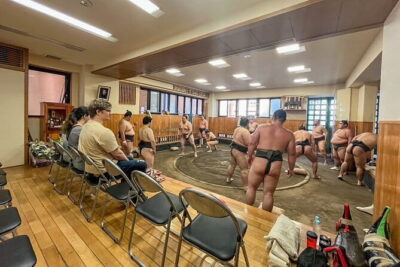
Tokyo Sumo Morning Practice Tour w/ Ring-Side Seat + Photo Shoot
Read our review →Lists this one turns up in