Review · PHOTOGRAPHY WORKSHOPS & LESSONS
Tokyo: Photography Masterclass – Private Photo Lesson
Tokyo: Photography Masterclass, Private Photo Lesson
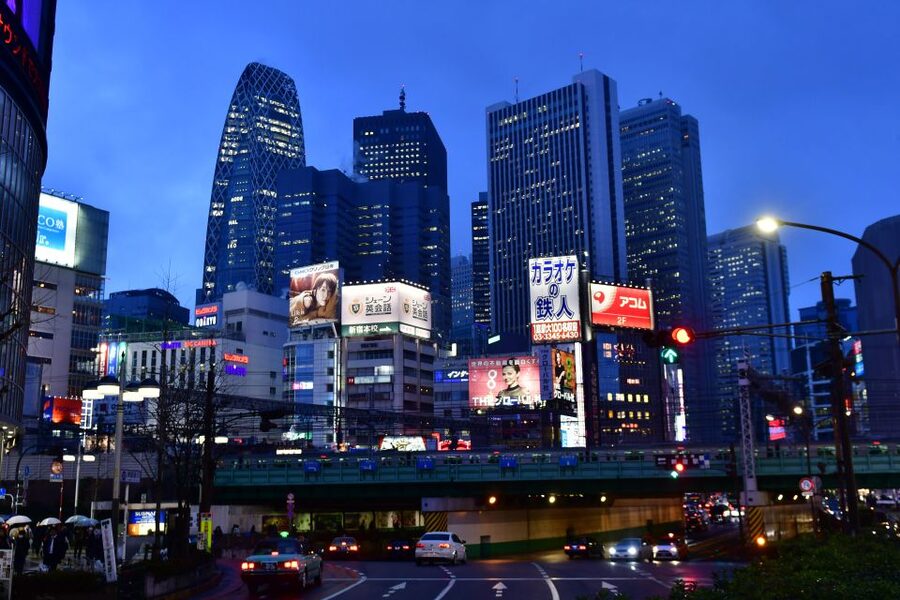
Tokyo gives you no shortage of things to photograph, but it does not always make the work easy. Neon signs compete for attention, crowds move fast, and the best scene may last only a few seconds. This private lesson puts a local photography instructor beside you, helping you make sense of the chaos from Hachiko Statue and Shibuya Crossing to Harajuku’s youth fashion and quieter side streets.
I like two things here. First, the tour begins with coffee, camera checks, and a discussion of your goals, so the lesson can fit a first-time camera owner or a semi-professional. Second, you are not locked into a fixed route. You can spend time chasing the classic crossing, look for less obvious street scenes, or choose a night outing for neon and slow-shutter work. The main consideration is simple: this is a photography lesson, not a portrait session, and your guide will not be taking pictures of you.
Key points to know before you book
- Hachiko is the meeting point: Find the bronze dog statue outside Shibuya Station, using the Hachiko exit.
- Your route is private: The price is $323 for a group of up to two people, making this most useful for a pair with similar interests.
- You choose day or night: A three-hour daytime lesson, a three-hour night lesson, or a six-hour combined option is available.
- The opening coffee matters: Your guide checks your camera, skill level, and aims before choosing where to go.
- Expect real instruction: Guides can help with settings, focal lengths, slow shutter speeds, time-lapse ideas, and timing a shot.
- Bring your own camera: A camera and tripod are not included, though a tripod can be rented by request.
Starting at Hachiko and setting your photography goals
Your meeting point is the Hachiko Memorial Statue, the bronze Akita that honors Tokyo’s famous loyal dog. It sits by Shibuya Station, next to the Hachiko exit and close to the crossing that has become one of the city’s signature views.
Give yourself enough time to find the statue. Shibuya Station is served by several JR, Tokyo Metro, Tokyu, and Keio lines, so the station itself can feel like a small orientation test. Follow signs for Hachiko rather than wandering through the station in search of the right street exit.
The lesson starts with coffee. This is more than a friendly introduction. Your guide uses the first part of the meeting to find out how comfortable you are with your camera and what kind of images you want to make. You can ask about exposure, lens choice, composition, or the sort of scenes that first drew you to Tokyo.
That early chat is especially useful if you are new to photography. You do not need to arrive with a long list of technical questions. You can simply explain what confuses you, show the camera you brought, and let the instructor shape the lesson around it.
If you already know your way around manual settings, the opening conversation still has value. You can focus the time on a particular goal, such as working with a certain focal length, anticipating movement, or finding a better position for a well-known view.
More Private Photoshoots in Japan
- Tokyo by Night Photography Tour (Private Option Available)
★ 5.0 · 151 reviews - Tokyo: Photo Shoot with a Private Vacation Photographer
★ 5.0 · 53 reviews - Tokyo 6hr Instagram Highlights Private Tour with Licensed Guide
★ 5.0 · 38 reviews
Turning Shibuya Crossing into a photography lesson
The first major subject is likely to be Shibuya Crossing, the famous pedestrian junction where streams of people cross from several directions. It is an obvious place to take a picture, but the obvious angle is rarely the most interesting one.
A local guide can help you think beyond simply pointing your camera at the crowd. You may work on timing, layers, framing, or the way people move through the scene. The value is not just getting a recognizable Tokyo picture. It is learning how to turn a familiar subject into a more considered photograph.
This is also where good instruction can save you time. The crossing changes quickly, and you may not know which view, focal length, or shutter speed will suit the result you want. FRED, who worked with guide Ivan, praised Ivan’s precise planning and his ability to judge the focal length needed for each image. That sort of practical advice is useful in a place where you can easily take dozens of pictures without really solving the composition.
You should not expect the crossing to be calm or spacious. It is a crowded public setting, and people are moving around you. If you want a quiet lesson with plenty of time to set up a tripod, this may not be the right focus. If you want to learn how to react quickly in a busy street, it is a strong classroom.
Your guide can also help you decide when a classic shot is worth pursuing and when it is time to move on. That judgment is part of the lesson. Tokyo offers endless subjects, but three hours passes quickly.
Finding quieter frames in Shibuya’s back streets
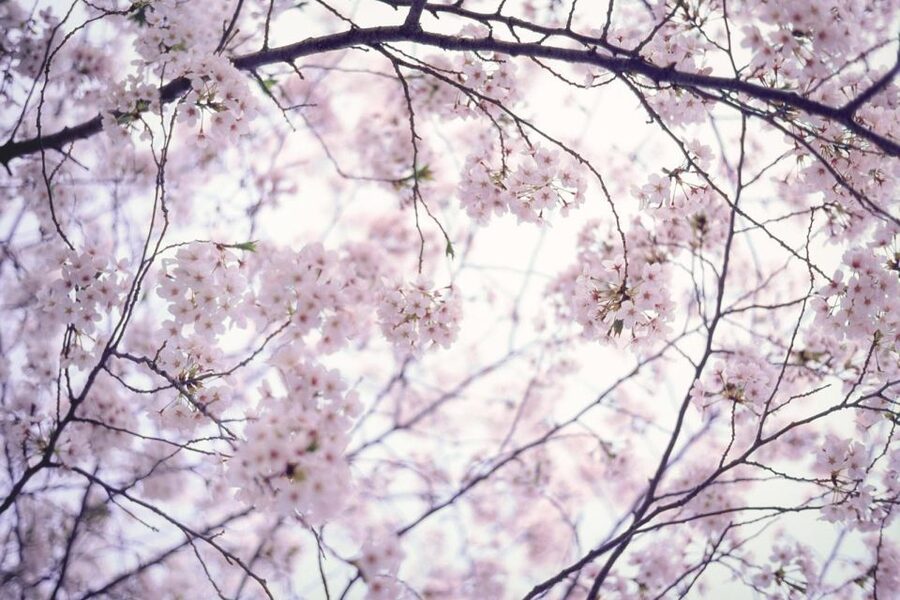
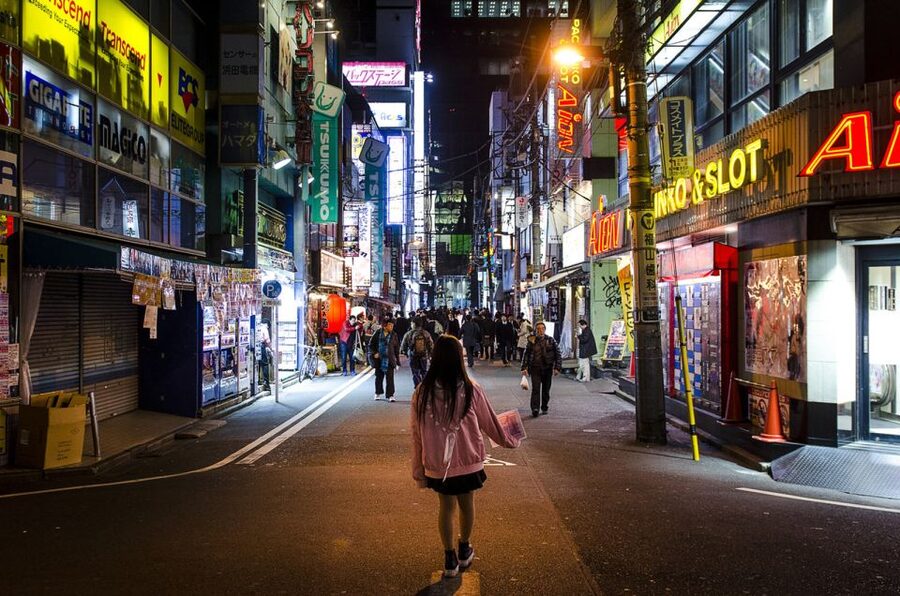
After the famous crossing, the route can continue into Shibuya’s back streets. This shift is important. The large intersection gives you a dramatic, recognizable subject, while the side streets ask you to look harder.
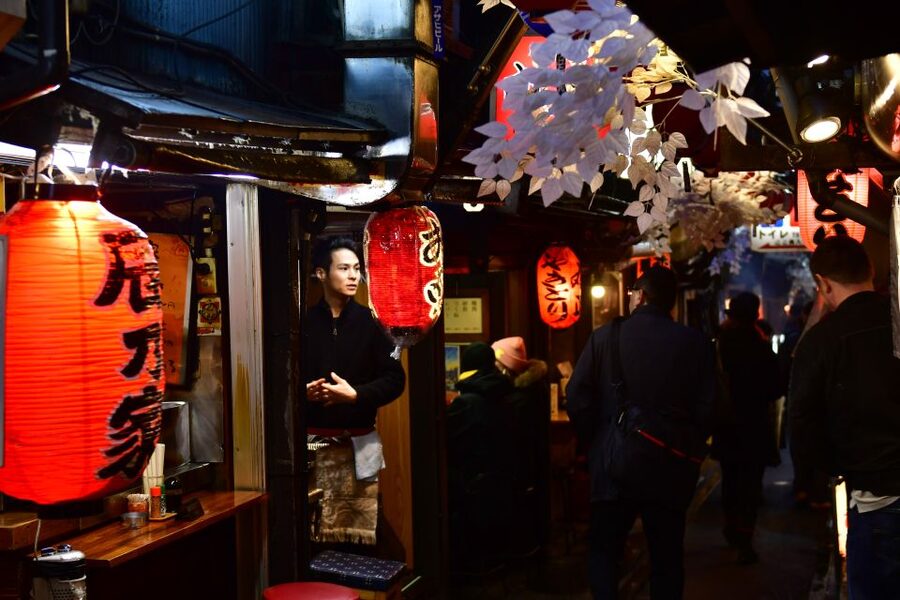
Here, you might work with signs, shopfronts, narrow lanes, passing pedestrians, and small details that do not announce themselves as tourist sights. The exact route is shaped around your interests, so you can tell your guide if you prefer people, architecture, color, night scenes, or less familiar views.
The back streets also make a good setting for learning how to edit your attention. Tokyo can fill the frame with information. A guide can help you decide what belongs in the picture and what merely adds clutter.
This part of the lesson may be the most useful for photographers who already have basic camera skills. You are not just learning where to press the shutter. You are learning how to spot a frame before it is fully formed, then wait for the right person, gesture, or change of light.
You should keep your expectations flexible. Since this is a private custom tour rather than a fixed sightseeing route, the final sequence of locations can vary. That is a benefit if you know what you want, but less helpful if you expect a guaranteed checklist of exact spots.
Working with Harajuku’s youth fashion and street energy
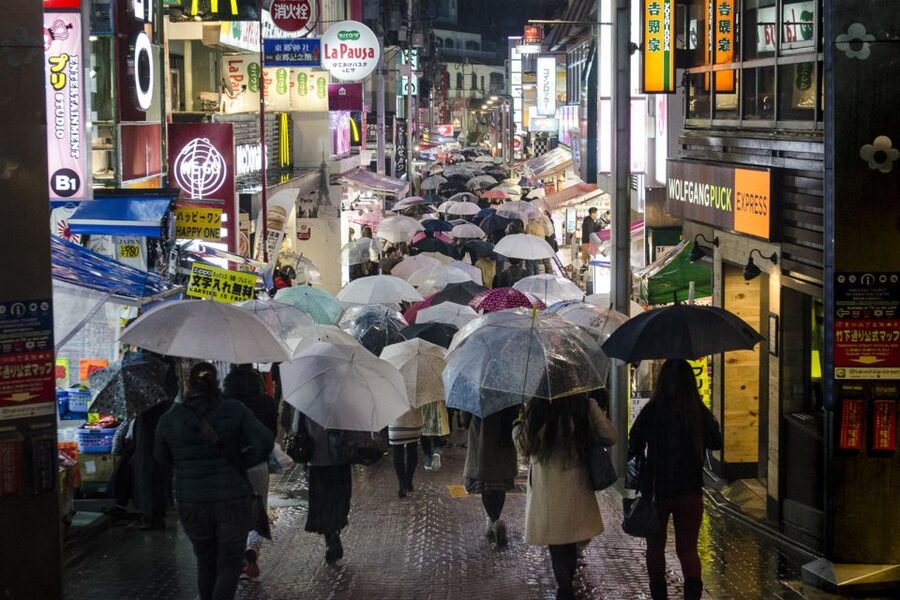
The tour can also include Harajuku, known here for eclectic youth fashion and eye-catching street scenes. It gives you a different subject from Shibuya Crossing. Instead of one huge movement of people, you are looking for individual style, color, gesture, and small moments.
For a photographer, Harajuku can test your timing and your sense of approach. Your guide can help you look for strong compositions without treating the neighborhood as a stage set. The point is to photograph the city as it is, while respecting the fact that you are working in public streets.
This stop should suit photographers who like people and cultural detail. It is less suited to anyone expecting a formal fashion shoot. You are learning street photography, not arranging portraits, and the experience specifically does not include photographs of you.
The private format helps here. If you want to spend longer on a certain kind of scene, you can say so. If youth fashion is not your interest, you can ask for more time in Shibuya or focus on other subjects that fit your style.
More Private Photoshoots in Tokyo
- Tokyo: Private photo shoot
★ 5.0 · 31 reviews - Tokyo: Customized Private Historical Guided Photoshoot Tour
★ 5.0 · 25 reviews - Tokyo: Private Makeover Photography Studio in Luxury Kimono
★ 5.0 · 22 reviews - Tokyo Private photo tour with Nightstreet Neon photographer
★ 5.0 · 17 reviews
Choosing a daytime lesson, a night route, or six hours
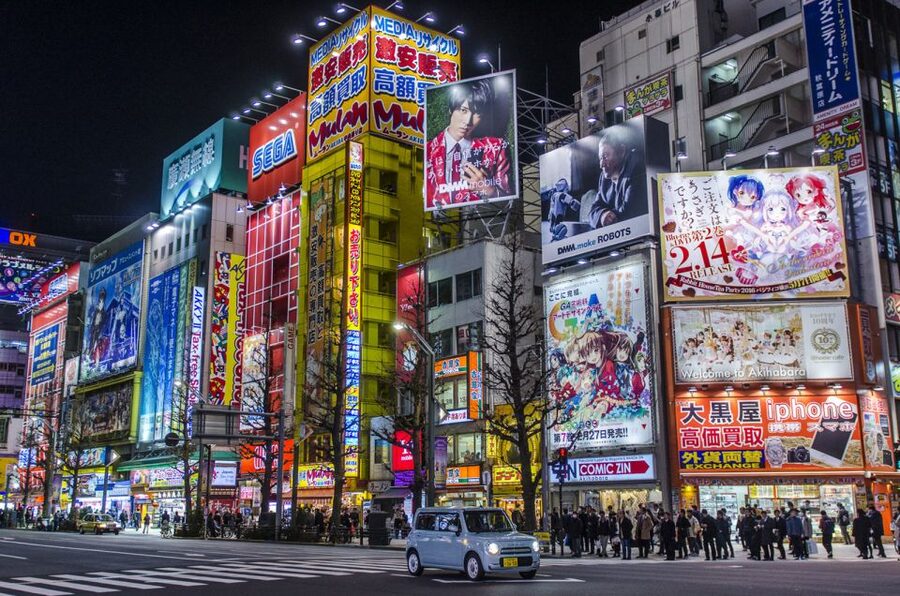
The three-hour daytime option gives you a compact introduction to Tokyo street photography. It can cover major scenes and basic instruction without taking up a full day of sightseeing. For many people, this is the sensible choice if you want practical help but still have other plans in Tokyo.
The three-hour night tour is a different experience. Neon, artificial light, reflections, and moving subjects create technical problems that do not appear in the same way during the day. Lindrel found the night tour especially useful with guide Tim, who offered camera-setting advice and knew strong locations for night images.
Night photography is not automatically easier just because the signs are bright. Your camera may need different settings, and a slow shutter can turn movement into part of the picture. Ivan’s advice on slow shutter work and time-lapse options, described by FRED, suggests that the lesson can move beyond basic exposure into more deliberate techniques.
The six-hour combined day and night option gives you the most time to work on changing conditions. You can see how the same city behaves in different light and practice more than one style. The tradeoff is cost and stamina. Six hours of walking, waiting, composing, and checking images is a serious block of time, especially if you have a packed Tokyo schedule.
I would choose the night option if neon and city light are your main reason for booking. I would choose the combined option if photography is one of the central activities of your trip. The daytime lesson is better for a first introduction or a shorter appointment.
What the teaching covers, from settings to shot planning
This is not just a guide showing you where to stand. The opening technical sheets and camera check set up a lesson that can cover how your equipment behaves in real conditions.
You can expect help with practical questions such as:
- Which settings suit a moving street scene
- How focal length changes the feel of a photograph
- When a slow shutter speed may add motion
- How to plan for a time-lapse
- Where to stand for a stronger composition
- How to anticipate what will happen in a familiar location
The exact instruction depends on your level. A first-time camera user may need help with basic controls and exposure. A more advanced photographer may get more from location planning, timing, and choosing the right lens for a particular frame.
Ivan received especially strong praise for knowing locations down to the square foot and for understanding which focal length would suit a shot. That tells you what kind of value this tour can offer. A local instructor does not simply provide Tokyo facts. The useful part is knowing how a place photographs and how to prepare for it.
The guides named in the feedback include Karl, Tim, and Ivan. Karl was praised for matching the route to the group’s wishes. Tim helped with night locations and camera settings. Ivan combined careful planning, technical judgment, and clear communication.
The private format and its $323 price
The price is $323 per group of up to two people. That is not a cheap walk, but it is different from paying for two seats on a large group tour. You are paying for a private instructor, a custom route, and three hours of focused help.
The value is strongest when two people share similar photography goals. You can split the cost between two participants, but you should remember that the lesson is still personal and camera-focused. If one person wants street photography and the other wants a standard sightseeing tour, the format may not satisfy both.
For a solo photographer, the price is harder to justify unless you specifically want instruction. You are paying for access to an instructor who can adjust the lesson to your camera and skill level, not simply for transport between sights.
The price does not include a camera. You must bring your own equipment, and a tripod is not included either. A tripod can be rented by request, which is worth arranging ahead of time if you plan to work with slow shutter speeds or time-lapse techniques.
Practical details at the station and on the street
The tour is conducted in English and uses a private group format. Meet at Hachiko Statue, not simply somewhere inside Shibuya Station. If you take a taxi, the suggested phrase points the driver to Hachiko Crossing near Shibuya Station.
Wear shoes you can use comfortably for three hours of city walking, though the exact amount of walking will depend on your custom route. Keep your camera easy to reach. A lesson loses momentum if you must repeatedly unpack your equipment.
Bring the camera you actually plan to use during the rest of your trip. This is not the time to borrow a complicated system you have never handled. The more familiar your controls are, the more attention you can give to composition and timing.
The activity offers free cancellation up to 24 hours before the start time, with a full refund. You can also reserve now and pay later, which gives you some flexibility while arranging a Tokyo schedule.
Who will get the most from this Tokyo lesson
I would recommend this for a photographer who wants to return home with better habits, not just a folder of random city snapshots. It suits beginners because the guide starts by checking your camera and skill level. It also suits semi-professionals who want local help with location choice, timing, focal length, and advanced street techniques.
It is a good fit for couples or friends who want a private activity for two. It is also useful for someone visiting Tokyo for a short time and hoping to make the most of Shibuya and Harajuku without spending hours guessing where to stand.
I would be more cautious if you want posed portraits, a personal photo shoot, or a sightseeing tour with little technical discussion. The guide will teach you to photograph Tokyo. The guide will not photograph you.
Should you book the private Tokyo photography lesson?
Book it if you bring a camera, want hands-on advice, and like the idea of shaping the route around your interests. The strongest reasons are the private format, the local knowledge of guides such as Ivan, Tim, and Karl, and the chance to work on both iconic scenes and less obvious street photographs.
Choose the night version for neon and low-light practice. Choose six hours if photography is a main goal of your Tokyo visit. If you simply want a few quick pictures at Shibuya Crossing, $323 may be more than you need. For anyone serious about making better images in Tokyo, though, three hours with a focused local instructor can be money well spent.
FAQ
Where does the photography lesson meet?
Meet at the Hachiko Memorial Statue in Shibuya. From Shibuya Station, use the Hachiko exit.
How much does the private tour cost?
The price is $323 for a private group of up to two people.
How long does the experience last?
You can choose a three-hour daytime tour, a three-hour night tour, or a six-hour option combining day and night photography.
Is the tour suitable for beginners?
Yes. The lesson is designed for all levels, including people using a camera for the first time and semi-professional photographers.
Do I need to bring a camera?
Yes. A camera is not included. A tripod is also not included, but one is available to rent by request.
Is this a portrait session?
No. The activity teaches you how to photograph Tokyo with your own camera. The guide will not take photographs of you.
What language is the tour conducted in?
The live tour guide and photography instruction are in English.
More Photography Workshops and Lessons in Tokyo
- Paris Photography Masterclass – Private Photography Lesson
★ 5.0 · 112 reviews - 2-Hour Photography Class While Touring Downtown Santa Fe, Smart Phones Welcome!
★ 5.0 · 108 reviews - Unique Rome by Night, Photo Tour and Workshop Under the Stars
★ 5.0 · 96 reviews - Elevate Your Photography – Barcelona Private Tour & Workshop
★ 5.0 · 78 reviews
Just added around Tokyo
- Tokyo: Private Photoshoot at Shibuya Crossing★ 4.7 · 7 reviews
- Tokyo: Customized Private Historical Guided Photoshoot Tour★ 5.0 · 25 reviews
- Tokyo Private photo tour with Nightstreet Neon photographer★ 5.0 · 17 reviews
- Tokyo: Private Makeover Photography Studio in Luxury Kimono★ 5.0 · 22 reviews
- Tokyo: Private Instagramable Customised Tokyo City Day Tour★ 4.2 · 4 reviews
- Tokyo: Private Photo Shoot with a Professional Photographer★ 5.0 · 11 reviews
- Tokyo Portrait Tour with a Professional Photographer★ 5.0 · 29 reviews
- Tokyo: Kimono Photoshoot at Ginza★ 5.0 · 2 reviews
Photography Workshops & Lessons, side by side.
Paris Photography Masterclass – Private Photography Lesson
Read our review →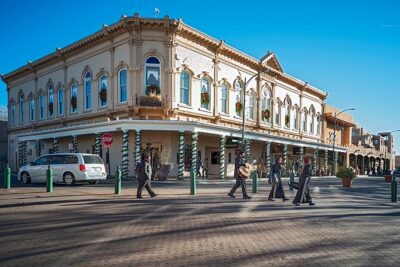
2-Hour Photography Class While Touring Downtown Santa Fe, Smart Phones Welcome!
Read our review →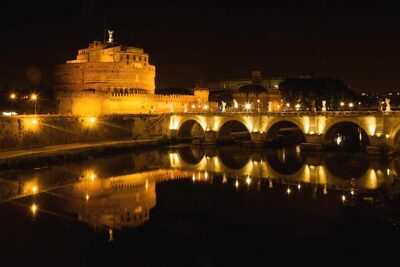
Unique Rome by Night, Photo Tour and Workshop Under the Stars
Read our review →
Elevate Your Photography – Barcelona Private Tour & Workshop
Read our review →
Rome Photography Masterclass – Private Photography Lesson
Read our review →
Private (Phone) Photography Class in Park & Old Town
Read our review →
Venice Photography Masterclass – Private Photography Lesson
Read our review →