
Review · TOKYO PHOTO TOURS & PHOTOSHOOTS
Tokyo Sumo Morning Practice Tour w/ Ring-Side Seat + Photo Shoot
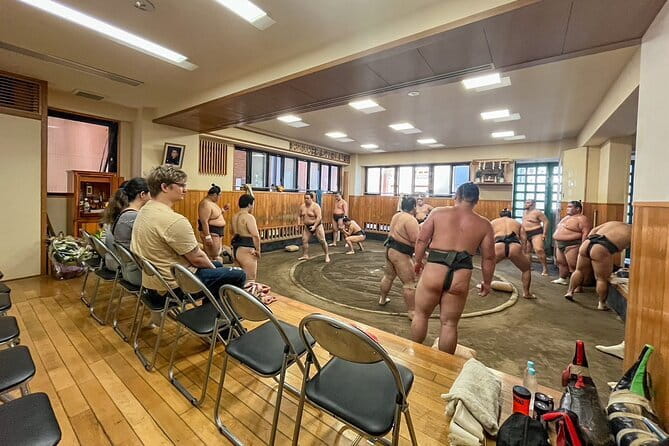
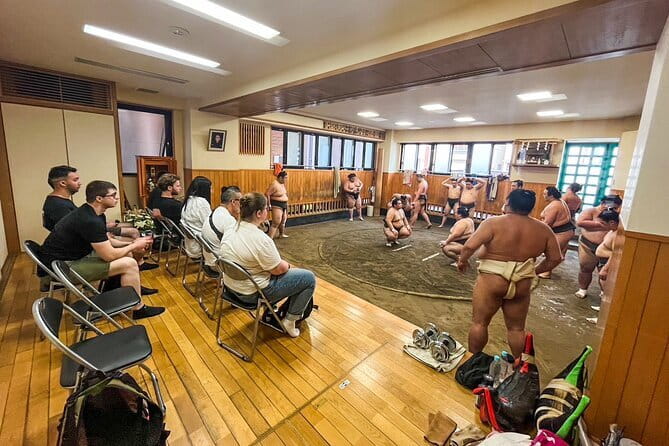
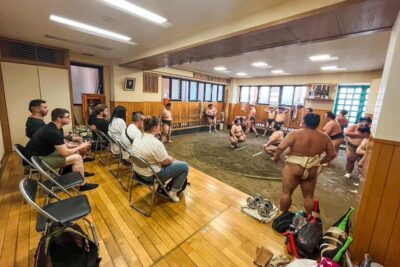
A morning inside a working sumo stable gives you the sport without the showmanship. You sit quietly on tatami flooring and watch wrestlers stretch, repeat drills, spar, and answer to their stable master. It is close, serious, and far more revealing than a staged demonstration.
I like the small group, capped at 10, and the guide’s role. You are not left to guess what each ritual or exercise means. I also like the timing: about 90 minutes of practice followed by a short visit to Kiyosumi Gardens. The main catch is that photos and seating depend on the stable, so the advertised photo opportunity is not guaranteed on every date.
Key points to know before booking
- Real morning practice, not a staged wrestling show: You watch active wrestlers train in a working stable.
- A small group of up to 10: This keeps the visit quieter and gives you a better chance of seeing the action.
- Guide Marie may lead the visit: Her role is to explain the sport and answer questions, especially after practice.
- Tatami seating is first come, first served: Arrive on time if sitting near the front matters to you.
- The photo session has conditions: Photography with wrestlers may be restricted by the stable on the day.
- Kiyosumi Gardens adds a calm finish: The final 30 minutes offer a change of pace after the intense practice.
Watching sumo before Tokyo wakes up
Sumo is often presented through tournament bouts, bright banners, formal rituals, and the sudden crash of two enormous bodies. This tour shows the less polished side: repetition, fatigue, discipline, and long hours of preparation.
The practice takes place in a real sumo stable, called a heya, where wrestlers train under the direction of their stable master and senior trainers. You may see stretching, repeated exercises, practice bouts, and close interaction between wrestlers and their teachers. The training is not arranged for an audience, so the wrestlers remain focused on their work.
That makes the experience valuable even if you know little about sumo. You can watch the physical side first, then use the guide to understand what you have seen. If you already follow the sport, the morning session gives you a closer look at how wrestlers prepare between tournaments.
I especially like that this is not built around inviting visitors into the ring or asking wrestlers to perform a comic stunt. The appeal is the discipline of the real practice. One moment may look slow and controlled, then a practice bout reveals startling force and speed.
More Early-Start Trips around Tokyo:
- Tokyo Ryogoku Sumo Morning Practice + Photo Shoot with Wrestlers
★ 4.5 · 277 reviews - Exclusive Sumo Morning Practice in Tokyo with Photo Opportunity
★ 5.0 · 68 reviews - Barcelona: Paddleboarding at Sunrise. Includes: instructor, photos, equipment
★ 4.7 · 570 reviews
Meeting at Kiyosumi Shirakawa at 8:30 am
The meeting point is at 3-chōme-11-1 Kiyosumi, near Kiyosumi Shirakawa Station. The guide takes you on a short walk to the stable at 3-chōme-6-2 Kiyosumi. The tour begins promptly at 8:30 am, so you should allow extra time to find the station exit and meeting point.
This is not a good activity for a late start. Late arrivals cannot join, and there is no refund or rescheduling for missing the departure. That strict rule makes sense inside a working stable, where a group cannot wander in after practice has begun, but it means you need to treat the start time seriously.
The walk itself is short, and the guide helps make the transition simple. Guide Marie has been singled out for her passion for sumo and for explaining what is happening without making the visit feel like a lecture. The group limit of 10 also helps at this early stage. You can ask questions before entering rather than trying to understand everything from a printed handout.
Use the restroom before you meet. Access may not be available during practice, and once you enter the stable, you are expected to remain in the designated area and follow its rules.
Inside the stable: quiet, close, and intense
The stable is a working training space, not a museum. Only the tatami areas are accessible to visitors, and other parts of the building are off-limits. You will need to sit or remain where the stable allows, keep noise down, and avoid interrupting the wrestlers.
The closeness is the point. From the seating area, you can see the physical effort in detail: the repeated movements, the contact in practice bouts, and the respect shown toward the stable master and trainers. You may also notice that wrestlers vary in size and build. Sumo is not simply about being the largest person in the room. Strength, balance, agility, timing, and technique all matter.
The practice lasts about 90 minutes, but the exact length can change. A stable may shorten or adjust its session based on the wrestlers’ condition or tournament commitments. The tour itself can therefore finish earlier or later than expected.
Seating is first come, first served. The tour is advertised with ring-side seating, but you should read that as close seating within the permitted tatami area rather than a guaranteed front-row chair. If you arrive later, you may be placed farther back. One practical point is that standing may or may not be accepted, so do not count on moving around to improve your view.
You may leave before practice ends if necessary, but you cannot re-enter. Since restroom access may be limited and the session can be intense to watch, plan to stay for the full visit unless you have a genuine reason to go.
What the guide adds to the morning
Without context, a sumo practice can look like a series of powerful men pushing, slapping, and repeating the same movements. The guide helps turn those actions into a story about technique and training.
A good guide can explain why an exercise is repeated, what role the stable master plays, and how practice differs from a tournament bout. The guide can also answer basic questions about the sport after the session. If you have never seen sumo before, save a few questions for the end. A short explanation of the history and basic rules can make the practice easier to follow.
Marie is one guide associated with this experience, and her enthusiasm for sumo has been a strong part of the morning when she leads. Guide assignments can vary, so do not book solely on the assumption that a particular person will be present. The important feature is having a local guide who can interpret the scene and help you behave properly inside the stable.
The best questions are practical and specific. Ask about the difference between training pushes and practice bouts, how wrestlers prepare for tournaments, or why the stable master’s instructions matter. You will get more from the session if you watch first and ask about what you have actually seen.
More photo tours and shoots in Tokyo:
- Tokyo: Kimono Dressing, Walking, and Photography Session
★ 4.9 · 427 reviews - Best Go Kart Experience in Shibuya Crossing with Iconic Photos
★ 5.0 · 348 reviews - Tokyo Cyberpunk Street Photo Tour
★ 5.0 · 165 reviews - Tokyo by Night Photography Tour (Private Option Available)
★ 5.0 · 151 reviews
The photo opportunity comes with a warning
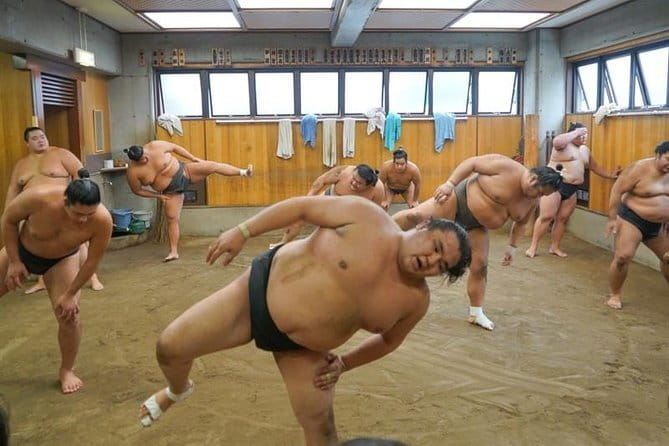
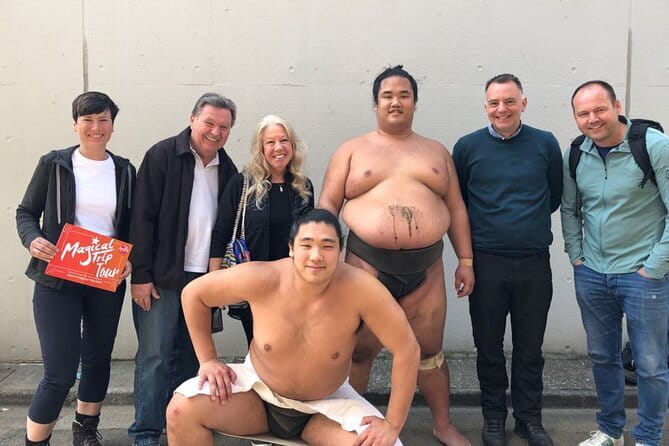
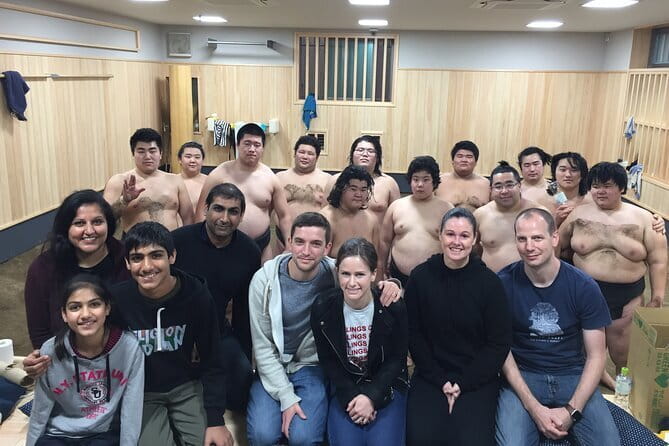
A photo session with sumo wrestlers is included in the tour description, and it can be a memorable way to finish the stable visit. Still, you should treat it as a possible extra rather than an absolute promise.
Each stable sets its own policy. On some days, photos of the wrestlers or photos with them may not be allowed. The stable may also change its rules based on training, schedules, or the condition of the wrestlers. If photography is permitted, follow the guide’s instructions closely and keep the session brief and respectful.
This limitation is not a flaw in the idea of the tour. It reflects the fact that you are visiting a functioning training site. The wrestlers are not performers hired to pose on demand. Their training comes first, and the stable has the final say.
Bring your phone if you want a picture, but do not make the photo the reason you book. The practice itself is the dependable part of the experience. The photo is a welcome bonus when circumstances allow it.
Kiyosumi Gardens gives the morning a softer ending
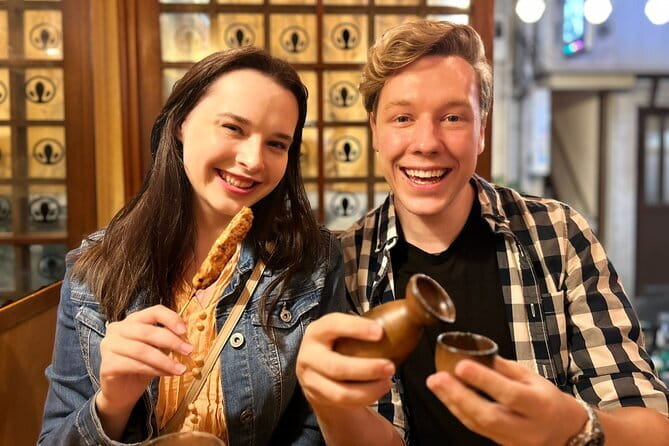
After the stable, the tour ends with about 30 minutes at Kiyosumi Gardens. This is a useful change of pace after the concentration and force of the practice session.
The garden stop is not the main event, and you should not book this tour mainly for a long garden visit. Thirty minutes gives you time to cool down, walk a little, and let the morning settle. It also keeps the overall activity close to two hours, which works well if you have other Tokyo plans.
Because the tour ends back at the meeting point, you can continue exploring the Kiyosumi area afterward. The listed end point is the same meeting point, but the exact finish may shift if the practice runs long or short.
Price, group size, and what you receive
At $99.10 per person, this is not a cheap sightseeing stop. The value comes from access to a place that is normally difficult to visit independently, plus the guide, small group, and translation of what you are seeing.
You are paying for about two hours, with the main portion spent inside a genuine training stable. There is no separate entrance fee for the practice itself, so the price is mainly for arranging access and providing the guided experience. That distinction matters. You are not buying a ticket to a tournament, and you are not guaranteed a full professional match.
For a sumo fan who is not in Tokyo during a tournament, the price can make good sense. The practice offers a close look at the sport when a tournament is not available. For a casual visitor on a tight budget, the cost may feel high, especially if the photo session is canceled or the stable changes the practice schedule.
The maximum group size is 10, though the number of people at a stable can vary if groups are divided among different stables. A smaller group normally means less crowding and a better chance to hear the guide. Still, seating inside remains first come, first served.
Who should book this sumo experience
I would put this near the top of the list for:
- Sumo fans missing a tournament during their Tokyo stay
- Visitors who prefer real working places to staged cultural performances
- First-time viewers who want basic explanations from a guide
- Families with children aged 12 and over who can sit quietly and follow stable rules
- Sports fans interested in training, repetition, and athletic technique
- Photographers who understand that the stable may restrict pictures
It is less suitable for children under 12, who are not permitted inside the stable. It is also a poor fit if you need flexible timing, guaranteed front seating, or a guaranteed photo with a wrestler.
You should also think about the weather. Tokyo can be extremely hot in summer, with temperatures listed as high as 40°C, and very cold in winter, with lows as low as -5°C. Dress for the conditions, since the walk to the stable and the garden stop are outdoors.
Rules that protect the experience
The stable is a respectful setting, and the rules are part of what makes the visit possible. Follow the guide, stay within the tatami area, and avoid disruptive behavior. The stable can refuse entry or participation without a refund if someone ignores its regulations.
The stable may cancel or adjust practice at short notice because of wrestler health or tournament commitments. If the stable cancels, you receive a full refund. That protection helps, though it does not remove the inconvenience of a changed morning.
Free cancellation is available up to 24 hours before the start time. Changes or cancellations within 24 hours are not refunded, and same-day changes cannot be accepted. Keep the local cut-off time in mind when planning your Tokyo schedule.
Should you book it?
Book this tour if you want to see sumo as a demanding sport rather than a tourist performance. The training is the heart of the experience: close, repetitive, respectful, and sometimes startling in its force.
The strongest reasons to go are the access to a real stable, the small group, and the guide’s help in making sense of the practice. The main cautions are strict punctuality, uncertain photography, variable seating, and a practice schedule that can change.
At $99.10, I see the best value for dedicated sumo fans and curious sports lovers. If that sounds like you, arrive early, use the restroom first, ask questions after practice, and treat the photo as a bonus. You will then be prepared for the experience this tour can reliably offer: an honest look at how sumo wrestlers train.
FAQ
Where does the tour meet?
The meeting point is at 3-chōme-11-1 Kiyosumi, Koto City, Tokyo 135-0024, near Kiyosumi Shirakawa Station.
What time does the tour start?
The tour starts at 8:30 am and begins promptly.
How long does the experience last?
It takes approximately two hours. About 90 minutes is allocated to sumo practice, followed by about 30 minutes at Kiyosumi Gardens. The practice length can vary.
How many people can join?
The tour has a maximum of 10 participants. Depending on the number of participants, the group may be divided among different sumo stables.
Is the photo session guaranteed?
No. Photography during practice and photos with wrestlers depend on the rules of the stable on that day.
Can children join the tour?
Only people aged 12 and over can participate. Children under 12 are not permitted inside the sumo stable.
Is there an entrance fee for the stable?
There is no separate entrance fee for attending the morning practice. The tour price is $99.10 per person.
Can I cancel for a full refund?
You can cancel up to 24 hours before the start time for a full refund. Cancellations or changes made less than 24 hours before the experience are not accepted for a refund.
Just added around Tokyo
- Tokyo: Private Photoshoot at Shibuya Crossing★ 4.7 · 7 reviews
- Tokyo: Customized Private Historical Guided Photoshoot Tour★ 5.0 · 25 reviews
- Tokyo Private photo tour with Nightstreet Neon photographer★ 5.0 · 17 reviews
- Tokyo: Private Makeover Photography Studio in Luxury Kimono★ 5.0 · 22 reviews
- Tokyo: Private Instagramable Customised Tokyo City Day Tour★ 4.2 · 4 reviews
- Tokyo: Private Photo Shoot with a Professional Photographer★ 5.0 · 11 reviews
- Tokyo Portrait Tour with a Professional Photographer★ 5.0 · 29 reviews
- Tokyo: Photography Masterclass – Private Photo Lesson★ 5.0 · 7 reviews
Tokyo Photo Tours & Photoshoots, side by side.
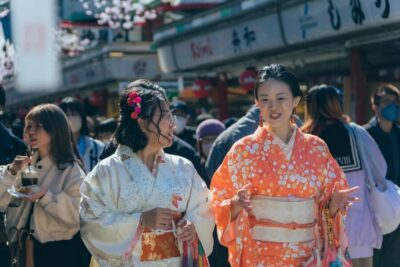
Kimono Dressing, Walking, and Photography Session
Read our review →
Best Go Kart Experience in Shibuya Crossing with Iconic Photos
Read our review →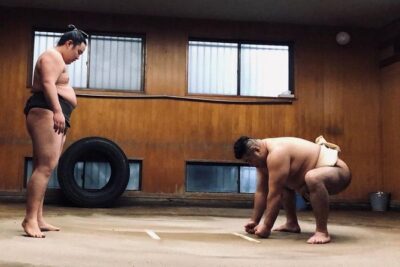
Tokyo Ryogoku Sumo Morning Practice + Photo Shoot with Wrestlers
Read our review →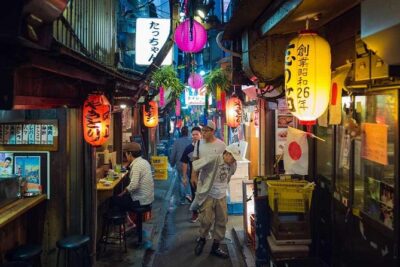

Tokyo by Night Photography Tour (Private Option Available)
Read our review →
Sumo Practice Tour with Ring-Side Seat and Photoshoot
Read our review →
Tour with Pro Tokyo Photographer and take Edgy Unique Portraits
Read our review →Lists this one turns up in