
Review · WILDLIFE
Everglades: Birding, Wildlife, and Photography Expedition
The best part of this Everglades trip is its small scale. You travel with no more than six people through the shallow waters of the 10,000 islands, then step ashore on an uninhabited barrier island. The stable boat gives bird photographers a steady platform, while guides such as Don, Dan, and Seth add useful context about wildlife, local history, and the mangrove ecosystem.
I like the chance to bring a tripod and large telephoto lens, and I like that the tour includes both a boat ride and a short island walk. The main caution is simple: this is a wildlife outing, not a guaranteed animal show. Wind, weather, and timing affect what you see, and one past participant specifically advised bringing a long lens for serious photography.
Key points to know
- Six passengers maximum: The small group leaves room for cameras, tripods, and individual questions.
- Two-part route: Cruise the 10,000 islands, then walk an uninhabited barrier island.
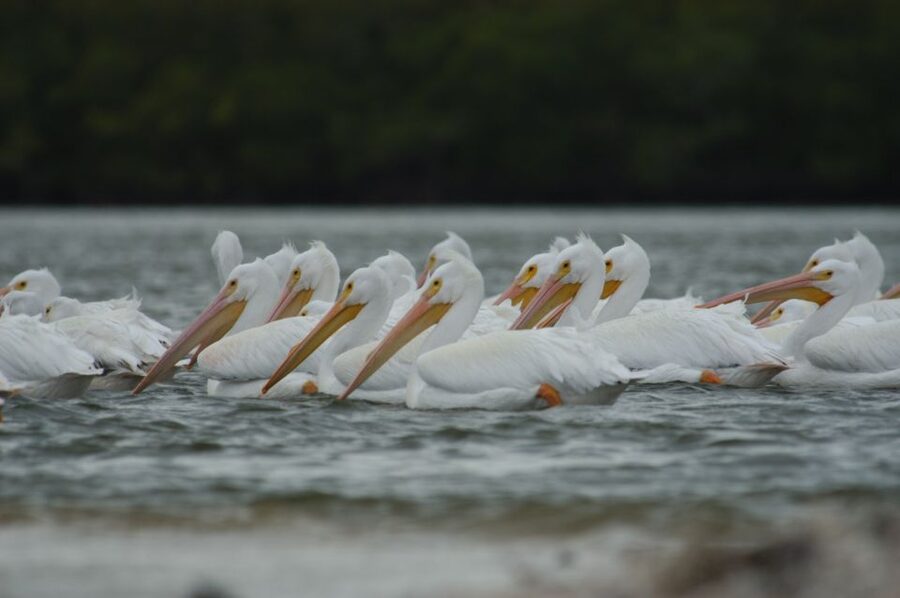
- Strong birding potential: Watch for roseate spoonbills, ospreys, ibises, herons, egrets, shorebirds, bald eagles, and white pelicans.
- Possible marine wildlife: Dolphins, manatees, sea turtles, and other saltwater animals may appear along the route.
- Best weather choice: From June through October, morning departures are suggested.
- Plan ahead at Chokoloskee: Arrive 10 to 15 minutes early at Parkway Marina, since missed tours are not refunded.
A small boat into the 10,000 islands
This is not the broad, busy sightseeing cruise you might picture when you hear Everglades boat tour. The boat carries up to six passengers and works as a comfortable viewing platform in a very shallow coastal area. That matters because the guide can focus on sightings instead of rushing a large crowd through each stop.
The route begins at Parkway Marina in Chokoloskee, at the end of Chokoloskee Drive. From there, you head into the Everglades National Park’s coastal 10,000-island ecosystem. The setting is a maze of low islands, open water, mangroves, and narrow routes used by smaller boats.
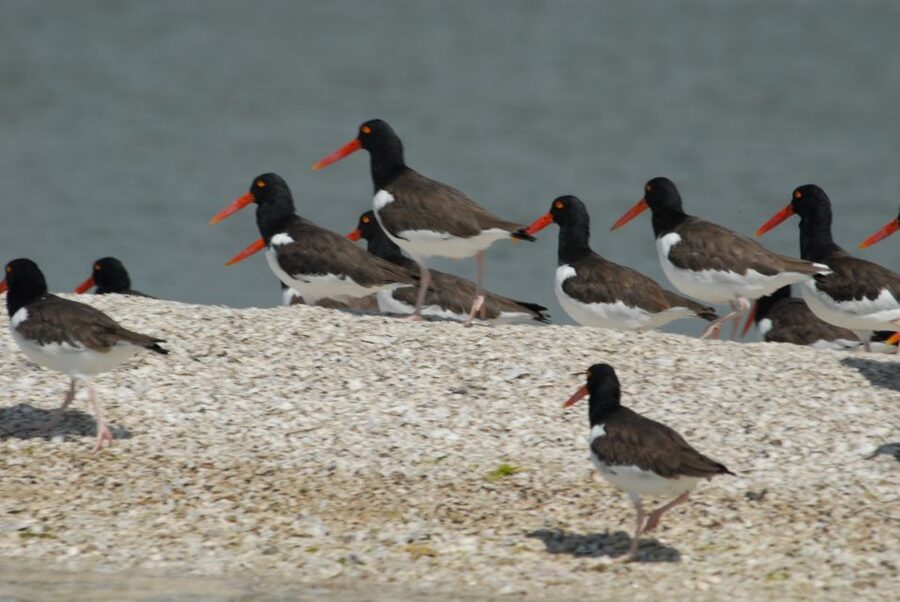
I like this format for anyone who wants time to watch rather than simply collect a quick look. One group asked the captain to slow down for nesting cormorants, great egrets, royal terns, spoonbills, American oystercatchers, ospreys, and a little blue heron. That kind of request is much easier on a six-person boat than on a large public cruise.
The boat is described as large and steady, with comfortable seating and space for a tripod. That is a real advantage for photography. You can carry a long telephoto lens without trying to balance expensive equipment on a narrow seat, though a long lens remains important if your main goal is close wildlife images.
More Wildlife Trips around the USA:
- Exquisite Wildlife & Wilderness Photo Tour Anchorage -Whittier
★ 5.0 · 12 reviews - Full Day Guided Wildlife Photography Tour In Yellowstone
★ 5.0 · 6 reviews - 3 Day Guided Wildlife Photography Tour in Yellowstone
★ 5.0 · 4 reviews
Why the guide makes a difference
The captain is more than a driver. This experience includes a Florida-certified Master Naturalist who is also licensed by the US Coast Guard, and the guide explains the plants, animals, history, and culture of the area as you move along.
Don and Dan receive especially strong praise for their ability to explain what you are seeing and adjust the outing to the conditions. Seth is also singled out as a friendly guide, while Eddie led one particularly memorable trip with dolphins, sea turtles, and white pelicans. Since guide assignments can vary, you should not book expecting one named captain, but the experience clearly depends on an involved guide who watches the water and responds to your interests.
That personal approach is useful in the Everglades, where an untrained eye can miss much of the action. A bird may be tucked into mangrove branches, a shoreline may hide shellfish, or movement in the water may reveal a dolphin before you can identify it. The guide’s job is to help you notice those details without disturbing the animals.
The educational side also adds value. You learn how mangroves shape the coastal ecosystem, how the islands developed, and how people have used this remote part of Florida. One outing included a closer look at shellfish and traces of earlier Indigenous inhabitants on the island. That makes the trip more than a list of birds.
The wildlife you may see from the water
Birds are the main attraction, and the list is impressive. You might find roseate spoonbills, ospreys, ibises, great blue herons, tricolored herons, snowy egrets, shorebirds, bald eagles, cormorants, royal terns, plovers, and white pelicans.
The trip is well suited to people who enjoy behavior as much as identification. Nesting birds, an osprey working near its nest, or cormorants gathered together can offer better photo subjects than a bird simply sitting in the distance. Your guide can slow the boat when conditions allow, giving you more time to frame a shot.
Marine life adds variety. Dolphins may swim near the boat or play in its wake. Sea turtles, manatees, and other saltwater animals are also possible. These sightings are never promised, so you should think of them as a bonus rather than the basic product you are buying.
That uncertainty is part of the appeal, but it is also the main limitation. You may have a day with many birds and dolphins, or a quieter outing shaped by wind and visibility. A guide can work hard to find wildlife, but no responsible operator can control wild animals.
Stepping ashore on an uninhabited island
The second half of the trip takes you off the boat and onto one of the Everglades’ uninhabited barrier islands. The captain beaches the boat, then leads you on a walk to examine the shore and island habitat at ground level.
This stop changes the pace. On the water, you scan the distance and watch for movement. On foot, you can examine shellfish, plants, shoreline details, and traces of past human activity. It is a useful contrast to the boat portion, especially for anyone who wants to understand how the coastal ecosystem works rather than only photograph birds.
Do not expect a developed park stop. The island is uninhabited, and the appeal comes from its lack of facilities and commercial activity. Bring sun protection, dress for the weather, and expect a natural setting rather than paved paths or visitor services. Food and drinks are not included, so plan those needs before departure.
The walk also makes this a better fit for people who want a little activity between stretches of seated wildlife watching. The supplied details do not give a distance or difficulty level, so you should ask the operator if you need specific information about walking conditions.
More photo tours and shoots in the USA:
- The ‘OG’ Manatee Snorkel Tour with In-Water Guide/Photographer
★ 5.0 · 2,539 reviews - Manatee Swim Tour with In Water Photographer
★ 5.0 · 2,300 reviews - Guided Small Group Manatee Snorkeling Tour with In-Water Photographer
★ 5.0 · 1,336 reviews - LA: Hollywood Sign Tour with Comedians, Dogs, & Epic Photos
★ 4.9 · 1,193 reviews
Photography from a steady platform
For photographers, the boat design is one of the clearest reasons to choose this trip. The stable platform is intended to accommodate tripods and large telephoto lenses, which can be awkward on smaller or crowded boats.
You still need to bring suitable equipment. One participant made the practical point that a long telephoto lens is essential if wildlife photography is your primary goal. The boat may put you in a good viewing position, but wild birds and marine animals do not always come close.
I would also bring protection from the sun and weather. The instructions specifically recommend dressing for conditions and carrying whatever sun protection you need. A hat, sunscreen, and clothing suited to the forecast are sensible choices, especially on a several-hour outing over open water. These are practical suggestions, not provided tour equipment, so you should bring your own.
The small group helps here. With six passengers at most, you have a better chance of setting up carefully and asking the guide to pause when a sighting appears. The boat may not be a private charter unless your party fills all the seats, but the limited capacity creates a quieter photography setting than a large sightseeing vessel.
When to go and how weather affects the day
The tour lasts 210 minutes, or about three and a half hours. That gives you enough time for a meaningful boat route and an island stop without turning the day into a full-day commitment.
June through October can bring difficult weather, and morning departures are suggested during those months. If you are visiting in summer or early fall, I would take that advice seriously. A morning start may offer a more comfortable schedule and gives you a better chance of avoiding the strongest heat later in the day, though conditions can still change.
Wind matters, too. A previous outing took place on a windy day, and the guide adjusted the route to make the most of what could be seen and done. That is a good sign for flexibility, but it also shows why you should keep expectations realistic. The water and animals set the terms.
The best time for you depends on your priorities. Photographers may prefer a departure that fits the light and their broader Florida plans. Bird watchers may care more about comfortable temperatures and guide availability. In summer, the morning option is the sensible default.
Is $172 a fair price?
At $172 per person, this is not a budget boat ride. The value depends on how much you care about the guide, the small group, and the photography setup.
For a casual visitor who only wants a quick look at the Everglades, the price may feel high. You are paying for 3.5 hours, not a full day, and food and beverages are not included. You also need to reach Chokoloskee yourself.
For a photographer or serious wildlife watcher, the calculation is different. The boat holds only six people, supports tripods and long lenses, includes a certified naturalist, and combines coastal wildlife viewing with an island walk. A private guide for such a small group can make the cost reasonable, especially if you would otherwise need several separate activities to see the area from water and land.
The guide’s subject knowledge is another part of the price. You are not simply renting a seat. You are paying for help locating animals, understanding the mangroves, and putting the islands into their historical and cultural setting. The strongest experiences appear to come when passengers communicate their interests, such as asking to slow down for nesting birds.
Getting to Parkway Marina
The meeting point is Parkway Marina, 1180 Chokoloskee Drive, Chokoloskee, Florida 34138. Arrive 10 to 15 minutes before departure so you can park, use the restroom, and get down to the dock.
At the marina, park on the right-hand side in the designated spaces. Restrooms are across from the Marina Store. Meet the captain down by the docks, and boarding takes place five minutes before departure.
This timing is worth taking seriously. Refunds are not provided if you miss the tour. The marina is in a remote-feeling part of the Everglades, so do not cut your arrival too close. Allow time to find the parking area and walk to the boat.
The tour is conducted in English. Cancellation is free up to 24 hours before departure, and you can reserve now and pay later, which helps if your Florida plans are still shifting.
Who will enjoy this Everglades outing?
I would choose this for:
- Bird photographers who need a steady boat and room for a tripod.
- Small groups who prefer personal attention over a large cruise.
- Nature lovers who want both water views and a short island walk.
- Visitors interested in mangroves, local culture, and the way people have used the coastal Everglades.
- Anyone hoping to see dolphins or manatees while keeping birds as the main focus.
I would think twice if you need guaranteed animal sightings, want a low-cost activity, or prefer a fully developed park setting with easy access and many facilities. The island is uninhabited, the weather can shape the route, and the wildlife is wild.
Should you book it?
Book this expedition if you want a focused, small-group look at the coastal Everglades and plan to bring serious camera equipment. The six-passenger limit, steady boat, island walk, and naturalist-led commentary give you more substance than a quick sightseeing cruise.
The strongest reason to go is the combination of access and attention. You can move through the 10,000 islands, stop for wildlife, learn from guides such as Don or Dan, and then walk a remote barrier island. If you want certainty, air conditioning, or a guaranteed dolphin encounter, choose something else. If you value patience, wild places, and good chances for bird photography, $172 can be a fair price for one of the more personal ways to see this corner of Florida.
FAQ
How long is the Everglades Birding, Wildlife, and Photography Expedition?
The experience lasts 210 minutes, or about three and a half hours.
Where does the tour meet?
Meet at Parkway Marina, 1180 Chokoloskee Drive, Chokoloskee, Florida 34138. Meet the captain down by the docks.
How early should I arrive?
Plan to arrive 10 to 15 minutes before departure. This gives you time to park, use the restrooms, and reach the dock. Boarding takes place five minutes before departure.
How many people can join the boat trip?
The boat is limited to six participants.
Is the boat suitable for photography equipment?
Yes. The boat is described as a large, stable platform with comfortable seating and room for a camera tripod and large telephoto lenses.
What wildlife might I see?
Possible sightings include roseate spoonbills, ospreys, ibises, great blue herons, tricolored herons, snowy egrets, shorebirds, bald eagles, dolphins, sea turtles, manatees, cormorants, royal terns, plovers, and white pelicans.
Does the tour include a walk?
Yes. The boat stops at an uninhabited barrier island, where the guide leads a walk to explore the local ecosystem and look for more photo opportunities.
Is food or drink included?
No. Food and beverages are not included.
Can I cancel the booking?
You can cancel up to 24 hours in advance for a full refund. No refund is provided if you miss the tour.
Just added around the USA
- Focus on Haines Private Nature / Photography tour★ 5.0 · 38 reviews
- Exclusive Photography Tour Haines Departure★ 5.0 · 19 reviews
- Private Proposal Professional Photo Shoot – Grand Canyon★ 4.5 · 2 reviews
- Hire Photographer, Professional Photo shoot – Grand Canyon★ 5.0 · 29 reviews
- Photoshoot in Grand Canyon★ 5.0 · 2 reviews
- Full Day Guided Wildlife Photography Tour In Yellowstone★ 5.0 · 6 reviews
- Miami incredible Photoshoot – Private Session with a Professional Photographer★ 5.0 · 2 reviews
- Modern Vibe Fort Lauderdale Las Olas Photography Session★ 5.0 · 2 reviews
Wildlife, side by side.
Plettenberg Bay: Private Guided Wildlife Photography Tour
Read our review →
Longyearbyen: Wildlife Safari & Hiking Photography Tour
Read our review →
San Pedro de Atacama: Wildlife Safari and Photography Tour
Read our review →
Exquisite Wildlife & Wilderness Photo Tour Anchorage -Whittier
Read our review →
Full Day Guided Wildlife Photography Tour In Yellowstone
Read our review →
Wildlife Photography Workshop in Richmond Park in London
Read our review →
Lists this one turns up in