
Review · PHOTOGRAPHY TOURS
Plettenberg Bay: Private Guided Wildlife Photography Tour
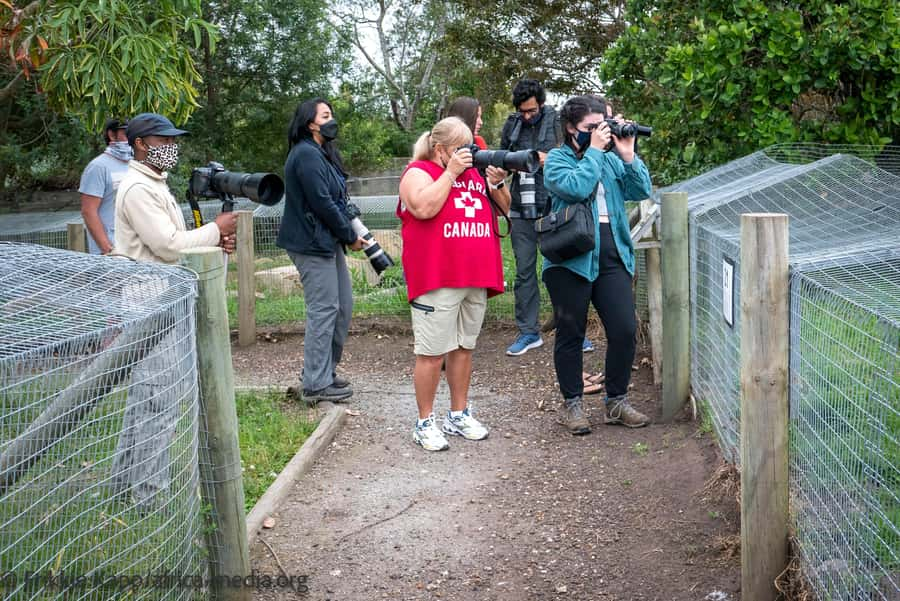
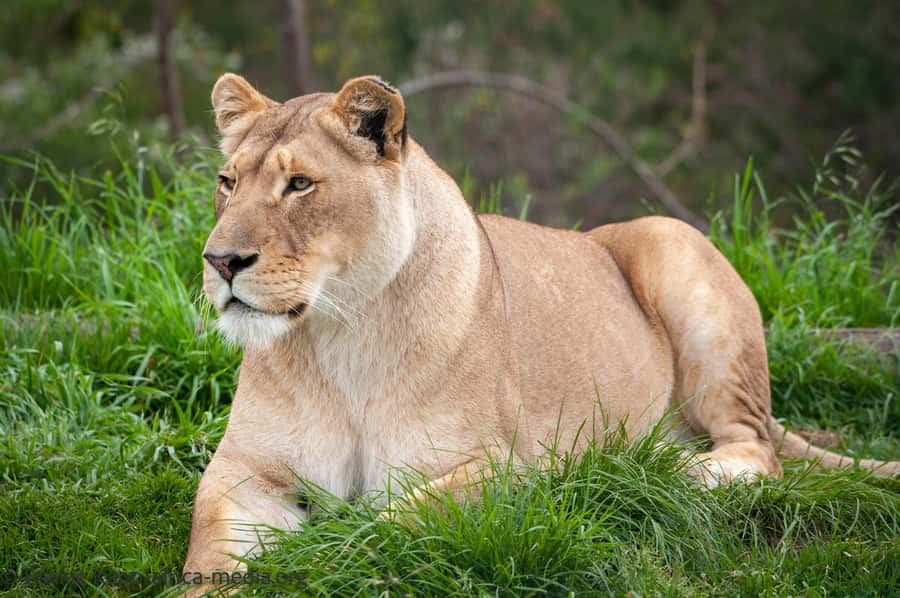
The real draw here is the chance to photograph South Africa’s wild cats without being hurried from one enclosure to the next. At Tenikwa, you may search for a camouflaged leopard, watch cheetahs, and walk above a magnificent white lion, all with your own guide to explain what you are seeing. I especially like the private format, which gives you time to wait for a clear photograph, and the conservation focus, which puts the animals’ welfare ahead of a staged wildlife encounter.
I also like the chance to take part in an enrichment exercise with non-releasable animals and revisit one favorite cat after the formal tour. The main consideration is that this is a rehabilitation and awareness center, not a safari reserve, so the animals in care can change and some encounters may be brief. You cannot touch or feed the animals, and selfie sticks are not allowed.
Key points to know before you go
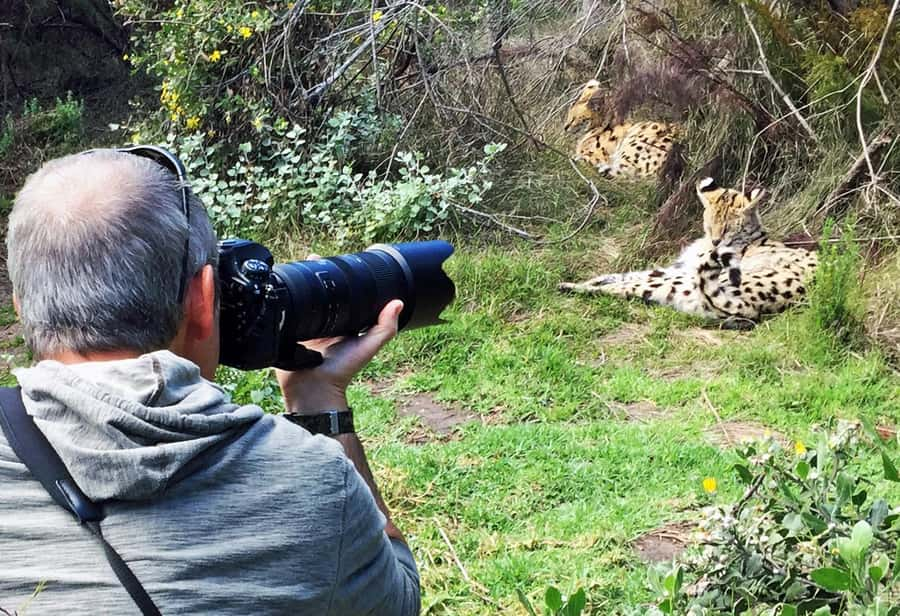
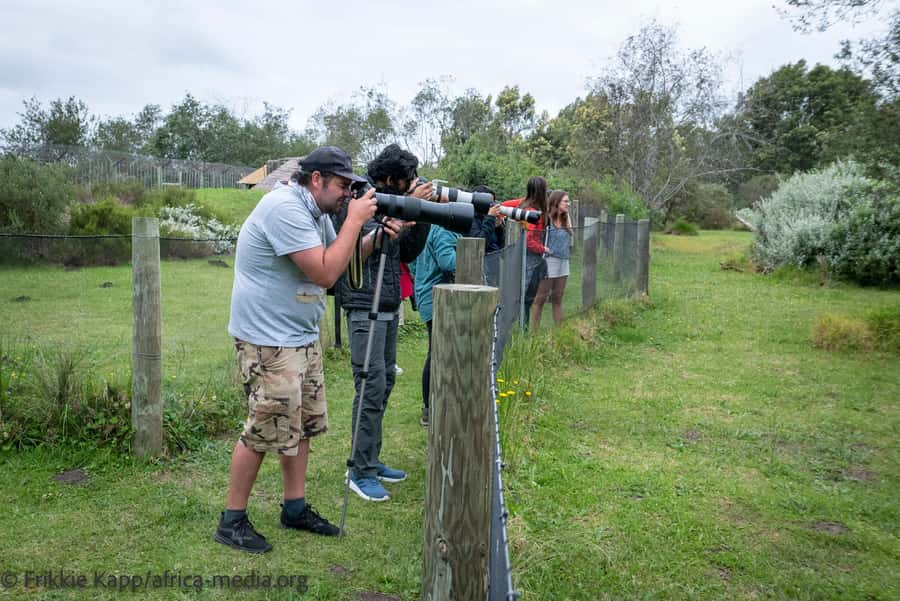
- Private photography time: Your guide can give you more time to frame photographs without a large group moving through your shot.
- Wild cats up close: Expect chances to photograph cheetahs, leopards, caracals, servals, and a white lion.
- A working care center: The animals and displays can vary according to which creatures Tenikwa is caring for at the time.
- A relaxed pace: The tour includes room for questions, an enrichment activity, and a possible second visit to one section.
- Useful access details: The center is wheelchair accessible, parking is available at reception, and hotel transport is not included.
- Good value for photographers: At $41 per person, the price includes admission, a private guide, and the option to revisit a favorite part.
What makes Tenikwa different from a standard animal attraction
Tenikwa Wildlife Rehabilitation & Awareness Centre is built around care, education, and conservation. That matters because the animals you see are not simply there for display. Some have been confiscated, rescued, or judged unable to survive in the wild, so the center provides a permanent home and works to explain the pressures facing wildlife.
You begin with a welcome at reception, followed by a short safety briefing. An educational video introduces the center and its work before you head out with your guide. This opening is useful rather than filler. It gives you context for the animals and explains why some can be released while others remain in human care.
The center is also a better fit for visitors who want to understand wildlife protection, not just collect close-up photographs. You can ask about the animals, their behavior, and the problems affecting wild populations. The English-speaking guide stays with your private group, so you have a much better chance to ask follow-up questions than you would on a large scheduled walk.
More Photography Tours in South Africa:
- Peninsula Photography Tour
★ 5.0 · 23 reviews - Cape Town Photo Walk & City Tour
★ 5.0 · 7 reviews - Tromso: Northern Lights Photography Tour
★ 4.2 · 843 reviews
Meerkats first, then the search for a leopard
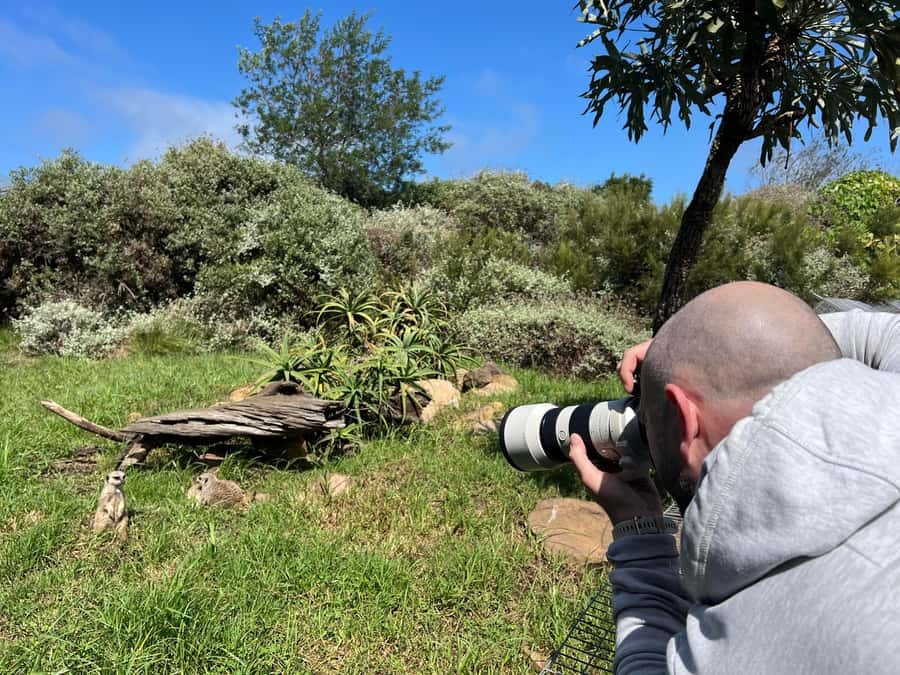
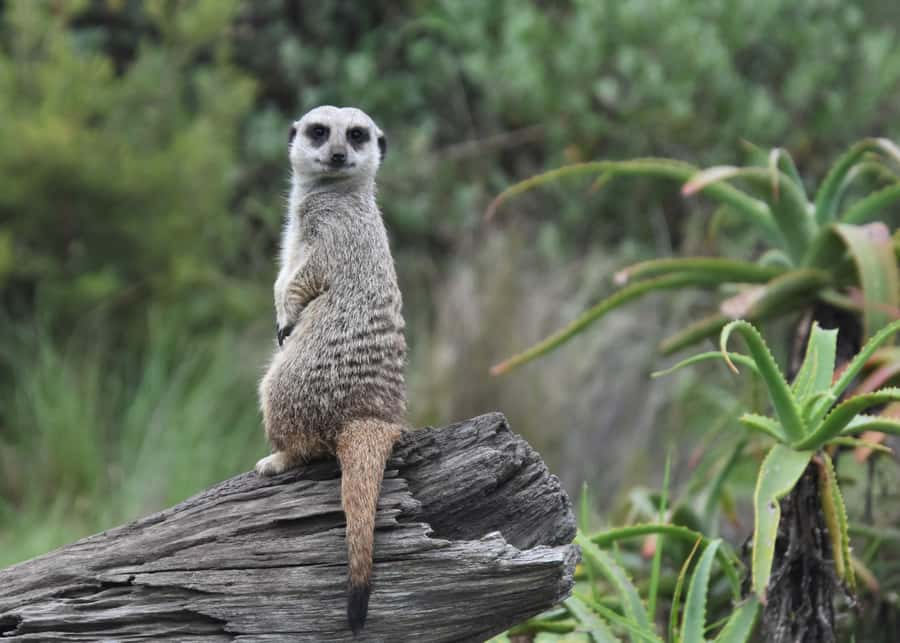
The Meerkat Meander is one of the early highlights. The meerkats here were confiscated and now have a permanent home at Tenikwa. Their small size and alert behavior make them appealing subjects, but the larger point is the reason they are here. This is a chance to see how wildlife trafficking or improper private ownership can create long-term problems for animals.
For photography, keep your camera ready and be patient. Meerkats are active, and a private guide can help you spend enough time watching instead of simply taking one hurried photograph. The center does not promise a particular pose or behavior, which is part of the honest nature of this type of visit.
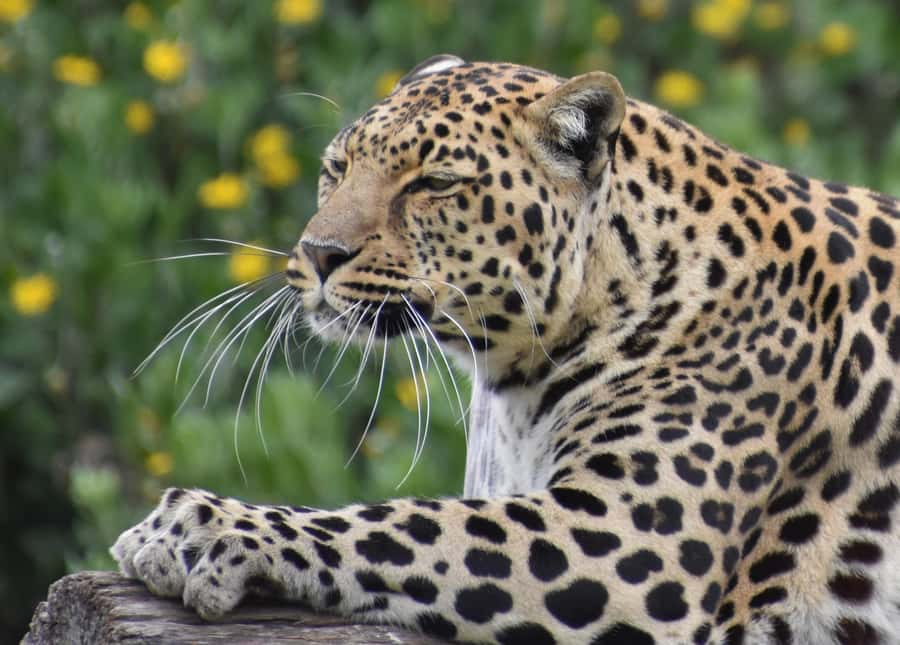
Next comes the leopard walkway. The guide will help you search for a leopard that may be difficult to spot because of its camouflage. This is a small but valuable lesson in how well these cats disappear into their surroundings. If you arrive expecting an animal to sit in an open space for the perfect photograph, you may be disappointed. If you enjoy looking carefully and learning how an animal uses its coat and surroundings, this section is more rewarding.
The private setup helps here. You are less likely to have several people crowding the viewing point or walking through your frame. Take your time, listen for movement, and ask the guide where to look before reaching for a long lens.
Cheetahs and the conservation story behind the photographs
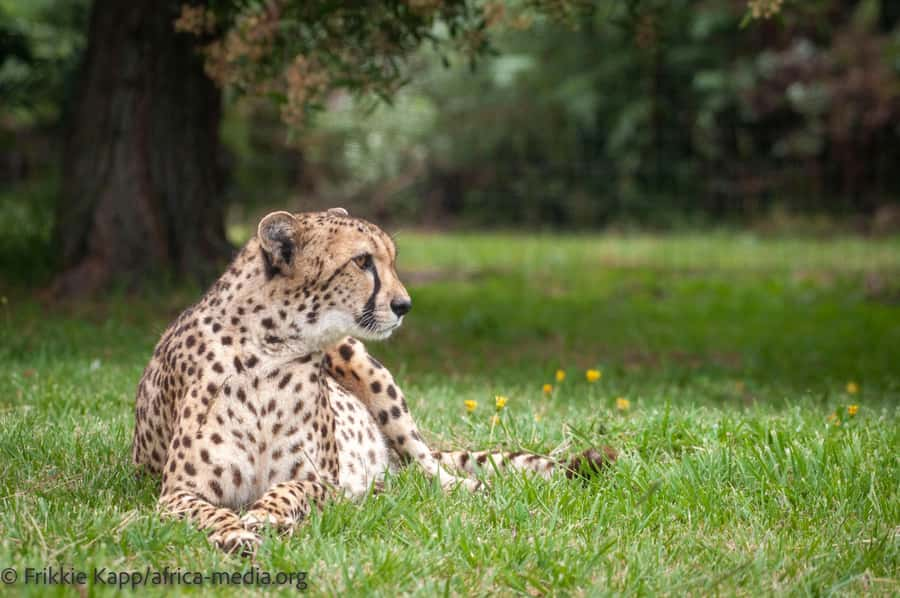
The cheetah section shifts the mood from spotting a hidden animal to considering a species under pressure. Your guide explains how cheetah numbers are diminishing in the wild, adding useful context to the elegant animal in front of you.
Cheetahs are often associated with speed, but this experience is not built around a dramatic chase or performance. You are watching animals in a managed setting, with photography and education as the focus. That makes it suitable for families, casual photographers, and serious wildlife fans who want a closer look at body shape, markings, and behavior.
The best photographs will depend on where the animal is and what it chooses to do. Tenikwa is not promising a guaranteed shot of every cat, so a flexible attitude helps. The center is caring for living animals, not arranging a photo studio. That uncertainty is a drawback for anyone who wants a fixed, tightly controlled photography session, but it is also more respectful to the animals.
Caracals, servals, and the chance to enter selected enclosures
The tour includes opportunities to photograph caracals and servals, two cats that receive less attention than lions and cheetahs but are fascinating subjects. Their size, markings, and behavior give you a broader picture of South Africa’s wild cats. Your guide can also explain how these species differ, which makes the visit more than a parade of attractive animals.
At safe points, you may enter some enclosures with your guide. This creates a closer viewing position and can be a major benefit for photographers. It does not mean you can handle the animals. Touching and feeding are not allowed, and there is no posing with wildlife.
That rule is important. It protects both you and the animals, and it keeps the encounter from becoming a petting experience. Keep your hands to yourself, follow the guide’s instructions, and avoid trying to attract an animal’s attention for a photograph. Selfie sticks are also prohibited, so bring a standard camera or handheld phone instead.
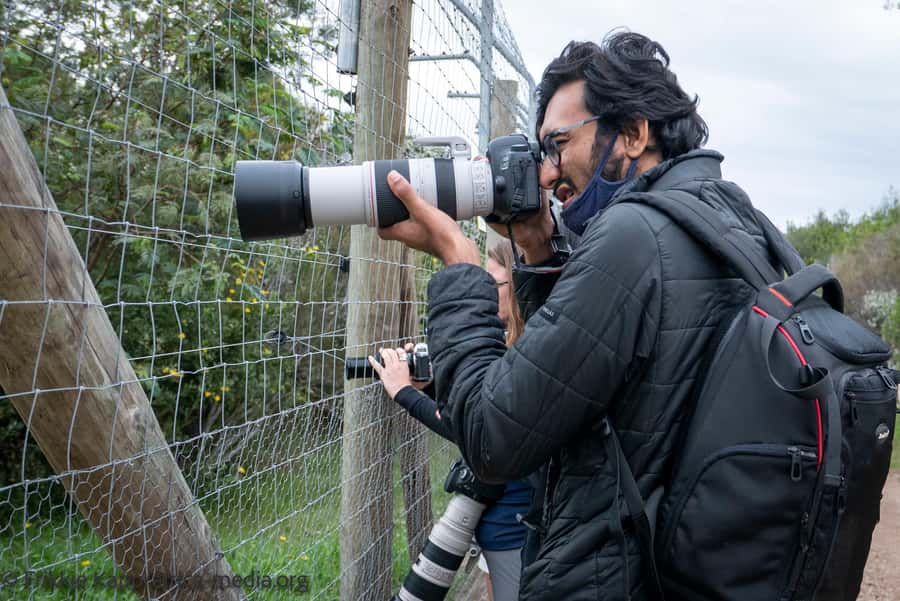
The center advises you to lock valuables and backpacks in your vehicle. You can take cameras on the tour, but you should keep equipment manageable. Comfortable shoes matter more than a large amount of gear because you will be walking between viewing areas.
More Private Photoshoots in South Africa:
- Private Group Photoshoot in Cape Town
★ 5.0 · 21 reviews - Private Couple,Family&Group Photoshoot Session in Cape Town
★ 5.0 · 2 reviews - ️ Bali Instagram Tour: The Most Famous Spots (Private & All-Inclusive)
★ 5.0 · 2,857 reviews - Paris: Private Photoshoot at the Eiffel Tower
★ 4.7 · 2,636 reviews
The white lion walkway and the strongest photo stop
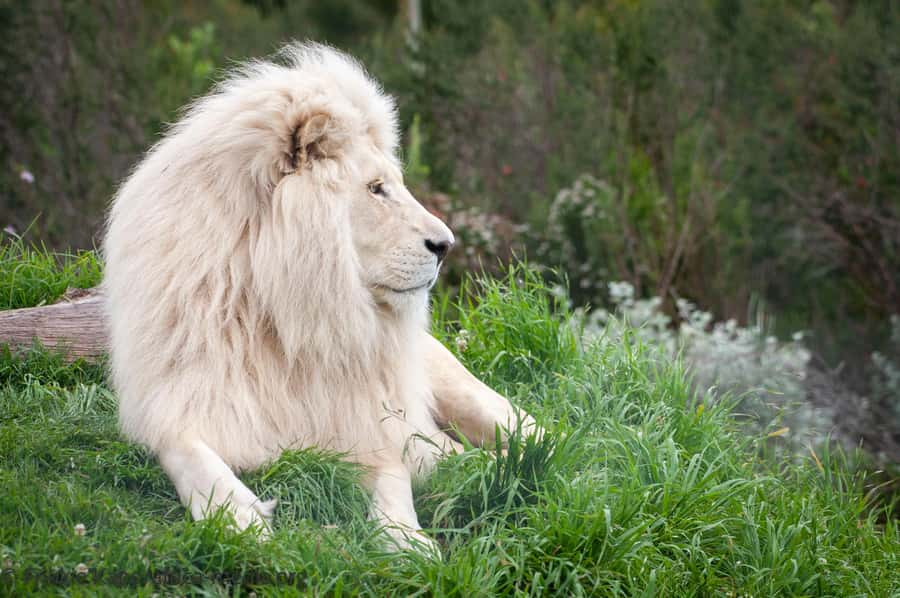
The tour finishes with a walk high above the white lion’s enclosure. This gives you a different angle from the lower viewing areas and provides one of the most memorable photo opportunities of the visit.
The white lion is likely to draw the most attention, but the walkway is valuable for another reason: it changes your view. Looking down from above can help you see the enclosure and the animal’s movement in a broader way. It also gives you time to talk with the guide about the cat and the center’s work.
Do not expect a staged image with the lion looking directly at the camera. The animal decides where to sit and move. Your job is to watch, wait, and accept the photograph you can get. That approach usually produces better results than rushing from one angle to another.
The final formal photography stop is followed by an opportunity to revisit a favorite cat or section. This is a thoughtful feature. You may have spent the first pass learning the route and listening to explanations, then realize you want another chance with the leopard, cheetahs, or white lion. Use the return visit for the animal that gave you the best photographic possibility, not simply the most famous name.
How much time should you allow?
The advertised duration is about two hours, with the full experience described as lasting between two and 150 minutes. The schedule includes a five-minute safety briefing, roughly two hours of guided wildlife viewing and walking, a short break, coffee and local snacks, another photo opportunity, and time for shopping.
In practical terms, allow at least two hours and be ready for the visit to stretch toward two and a half hours. The exact flow can depend on the animals, the questions you ask, and how long you spend taking photographs. A private tour should not feel like a race, and this one is designed to move at a leisurely pace.
The break includes coffee and local snacks, but food and drinks are not part of the listed tour price. If you need a full meal or have specific dietary needs, plan accordingly. The center also has shopping time near the end, which gives you a chance to browse after the wildlife portion rather than interrupting the main walk.
Is $41 per person a fair price?
At $41 per person, the cost includes entry to Tenikwa, a private guided tour, and the option to revisit one part of the program. For a wildlife photographer, the private format is the main value. You are paying not just to enter the center, but for a guide who can explain the animals and give you more control over your viewing time.
That price is particularly reasonable if you are traveling with a small private group and want to ask many questions. A large group can be cheaper, but it may limit your time at each enclosure and make photography harder. Here, nobody should be pushing you out of position simply because the next group is waiting.
The value is less clear if you want a traditional safari with animals roaming freely over a large area. Tenikwa offers managed care, close viewing, and conservation education. It does not offer the open-space unpredictability of a game drive.
The experience has a 4.9 rating from 49 bookings, and the strongest pattern in the feedback is clear: people value the informative guides, the calm pace, and the chance to photograph animals without others repeatedly crossing the frame. One booking specifically noted the benefit of taking photographs for as long as needed, while another praised guide Davidson for explaining the purpose of the facility and allowing plenty of photo time.
Getting there and preparing for the visit
You need to make your own way to Tenikwa. Hotel pickup and drop-off are not included. From the N2, follow the turnoff marked Tenikwa, Monkeyland, and Elephant Sanctuary. At Animal Alley, keep left toward Tenikwa, drive past Kurland Village, then keep right at the fork and continue to the Tenikwa entrance.
Check in at Tenikwa reception and arrive 15 minutes early. Parking is available there. Before setting out, lock valuables and backpacks in your vehicle, especially if you are carrying a large camera bag that you do not need for every part of the walk.
Wear comfortable clothing and walking shoes. A sun hat and sun protection lotion are sensible choices for the Western Cape setting. Cameras are welcome, but selfie sticks are not. The center is wheelchair accessible, though the supplied information does not describe every surface or viewing point, so anyone with specific mobility needs should confirm details before booking.
Free cancellation is available up to 24 hours before the start time, and you can reserve now and pay later. That is useful if your Plettenberg Bay schedule may change.
Who will enjoy this most?
I would choose this tour for a photographer who wants time and access rather than a fast introduction. The private group gives you room to adjust your settings, wait for a better position, and ask about the animal in front of you.
It also suits families and curious adults who want a gentle, educational wildlife outing. You do not need advanced camera skills. A phone can capture the experience, though a proper camera gives you more control at the viewing points.
The tour is less suitable if your main goal is to touch animals, pose beside them, or see only animals that can return to the wild. The strict no-touch rule is appropriate, but it may surprise anyone expecting an interactive animal encounter. You should also accept that the selection of animals can change because Tenikwa is a working care center.
The private format makes this a good choice for a birthday gift or a special outing. A booking made for a husband’s birthday was especially well suited to the ability to observe animals at close range and take photographs without someone walking through the frame. That kind of flexibility is hard to get in a standard group visit.
Should you book the Tenikwa photography tour?
Book it if you want close wildlife viewing, a private guide, and practical conservation information in one compact outing. At $41 per person, it offers solid value for anyone who cares about photography and prefers a slow, personal visit.
Skip it if you are looking for a free-roaming safari, a guaranteed animal checklist, or any chance to touch wildlife. Go with comfortable shoes, modest camera gear, and patience. If you treat the animals as the focus rather than as props, Tenikwa gives you a thoughtful and memorable way to meet South Africa’s wild cats.
FAQ
Where does the wildlife photography tour begin?
The tour begins at Tenikwa Wildlife Rehabilitation & Awareness Centre. Check in at Tenikwa reception after following the marked route from the N2.
How long does the tour last?
The experience lasts approximately two hours, with the stated duration ranging from two to 150 minutes. The schedule also includes a short break, coffee and local snacks, photography time, and shopping.
Is the tour private?
Yes. It is a private group experience with a live English-speaking guide.
What animals can I photograph?
The tour offers opportunities to photograph meerkats, leopards, cheetahs, caracals, servals, and a white lion. The animals in care can vary because Tenikwa is a working rehabilitation and awareness center.
Can I touch or feed the animals?
No. Touching and feeding wildlife are not allowed, and posing with animals is prohibited.
Can I take a camera or use a selfie stick?
You may take cameras on the tour. Selfie sticks are not allowed.
Is hotel transportation included?
No. Hotel pickup and drop-off are not included. Parking is available at Tenikwa reception.
What should I wear and bring?
Bring comfortable walking shoes, comfortable clothing, a sun hat, and sun protection lotion. Lock valuables and backpacks in your vehicle.
Can I revisit an animal after the tour?
Yes. After the main tour, you have the option to revisit one favorite part of the program.
More Wildlife Trips around South Africa
- Everglades: Birding, Wildlife, and Photography Expedition
★ 4.6 · 38 reviews - Longyearbyen: Wildlife Safari & Hiking Photography Tour
★ 4.4 · 27 reviews - San Pedro de Atacama: Wildlife Safari and Photography Tour
★ 5.0 · 17 reviews - Exquisite Wildlife & Wilderness Photo Tour Anchorage -Whittier
★ 5.0 · 12 reviews
Just added around South Africa
- Photoshoot in Cape Town’s most Gorgeous Locations★ 5.0 · 2 reviews
- 1 Hour Cape Town City Center Photoshoot Experience★ 5.0 · 19 reviews
- Cape Of Good Hope Instagram Small Group Tour with Penguins★ 5.0 · 49 reviews
- AFFORDABLE Quad Biking Atlantis Dunes+ PHOTOS★ 4.5 · 18 reviews
- Private Group Photoshoot in Cape Town★ 5.0 · 21 reviews
- Peninsula Photography Tour★ 5.0 · 23 reviews
- Cape Town Photo Walk & City Tour★ 5.0 · 7 reviews
- Quad Bike (ATV) with PHOTOSHOOT★ 4.5 · 42 reviews
Photography Tours, side by side.
Rhodes: E-bike Highlights Sunset or Morning Photo Tour
Read our review →
Lists this one turns up in