
Review · PHOTOGRAPHY TOURS
San Pedro de Atacama: Wildlife Safari and Photography Tour
The best part of this San Pedro de Atacama outing is the chance to see desert wildlife with someone who knows where to look. Juan Pablo guides a small group of no more than four people through Quirquincho Pass, Machuca wetlands and Putana Vade, with time to stop, watch and take photographs rather than simply tick off viewpoints.
I like the quiet, local feel and the proper viewing gear, including spotting scopes with phone adapters. I also like the range of sightings: guanacos, vicuñas, vizcachas, flamingos and other birds can all appear in one short trip. The main consideration is the four-hour length. You get a focused wildlife outing, not a full-day expedition, and children under 12 cannot join.
Key points at a glance
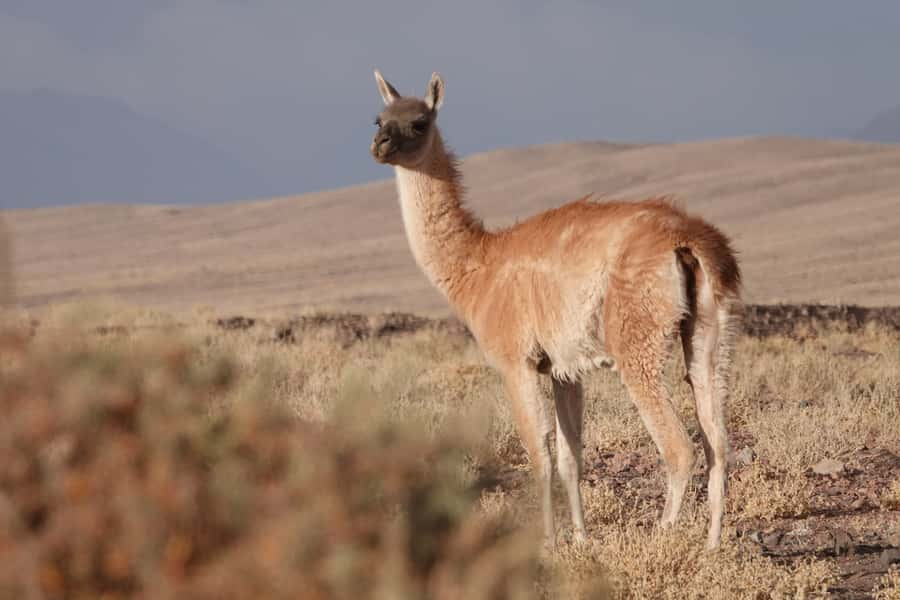
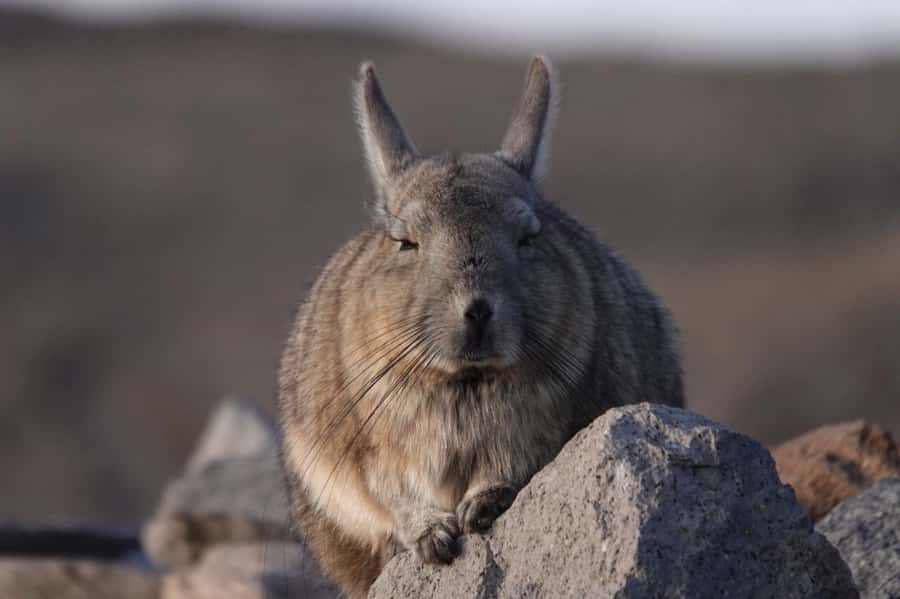
- Quirquincho Pass wildlife search: Look for guanacos and vizcachas among the rocky mountain scenery.
- Machuca wetlands walk: Take a short hike with birdlife and possible flamingo sightings.
- Putana Vade viewpoint: See the region’s largest wetland ringed by high volcanoes from a 360-degree lookout.
- Photography made easier: Use binoculars, field guides, and spotting scopes fitted with phone adapters.
- Small group access: With a maximum of four participants, the guide can spend more time helping you find animals.
- Flexible booking: Hotel pickup and drop-off are included, with cancellation up to 24 hours before departure for a full refund.
A wildlife tour with time to actually look
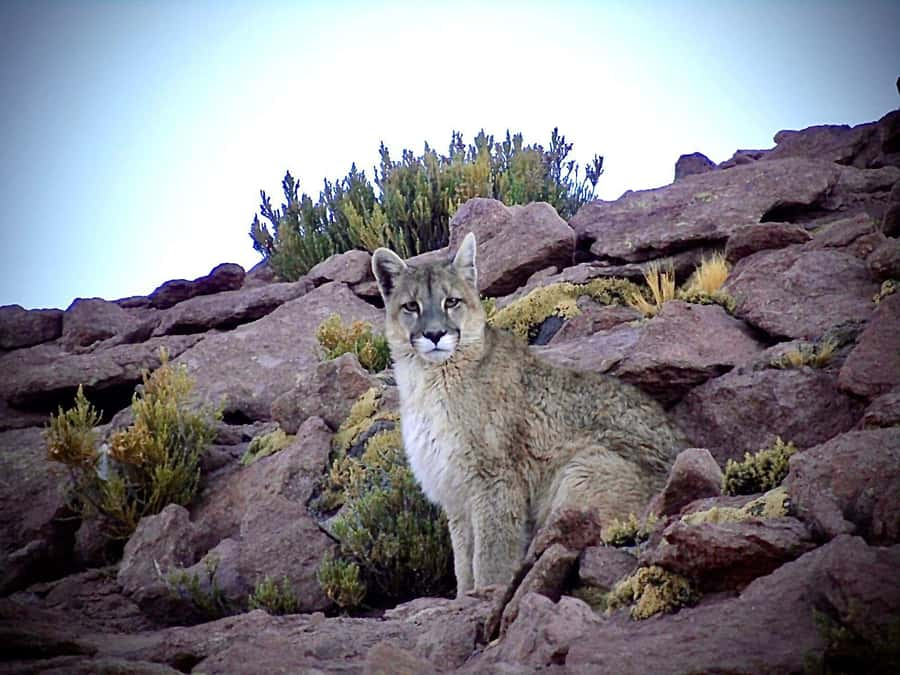
San Pedro de Atacama is famous for salt flats, volcanoes and broad desert views. This tour adds something different: patient observation of the animals that live among those stark surroundings.
The outing is built around three places, each with a different character. At Quirquincho Pass, you search the rocky slopes and open ground for guanacos and vizcachas. Near Machuca, you walk through wetlands where birds gather. At Putana Vade, you finish with a wide view across a major wetland, framed by volcanoes.
That mix gives you more than a scenic drive. You might photograph an animal, then use the field guide to identify a bird, then turn around and find a volcano rising beyond the water. The pace is useful for photographers, but you do not need serious camera skills to enjoy it. The tour is suitable for all photography levels, and the guide supplies optical equipment to help you see details that are easy to miss with the naked eye.
The small group limit matters here. Wildlife does not arrange itself beside the road, and a guide may need time to point out a distant shape or explain why a bird is standing in a certain part of the wetland. With four people or fewer, you have a better chance of asking questions and getting individual help with your phone or camera.
More Photography Tours in the world:
- Tromso: Northern Lights Photography Tour
★ 4.2 · 843 reviews - Barcelona E-Bike Photography Tour
★ 5.0 · 843 reviews - Tromsø: Northern Lights Photography Tour
★ 4.8 · 788 reviews
From San Pedro to Quirquincho Pass
Pickup begins at your hotel, followed by a drive of about 45 minutes into the mountains. That first transfer is part of the experience rather than dead time, as the setting changes from San Pedro’s town area to open mountain country.
The first stop is rocky Quirquincho Pass. The goal here is to look for guanacos and vizcachas. Guanacos are large wild camelids, while vizcachas are smaller, rabbit-like animals that blend well into rocky ground. Finding them is not guaranteed at a particular spot, but the guide’s role is to help you search carefully and make sense of what you are seeing.
This is where Juan Pablo’s local field experience becomes especially useful. One of the strongest reasons to choose a specialist wildlife outing is that an animal can be plainly in front of you and still remain invisible until someone shows you where to look. That skill is valuable for beginners, and it saves experienced photographers from wasting time scanning empty ground.
Bring a camera if you have one, but do not feel that you need a long lens to justify the trip. The supplied spotting scopes and binoculars let you watch animals at a distance, and the phone adapters can help you record what you see through the scope. That is a practical touch for anyone who wants good memories without carrying a full wildlife photography kit.
The pass also gives you a first taste of the region’s scale. You are looking across rock and open mountain terrain, with volcanoes and high country forming the backdrop. It is a good early stop because it combines the main themes of the tour: animals, open views and patient searching.
Machuca wetlands and a short bird walk
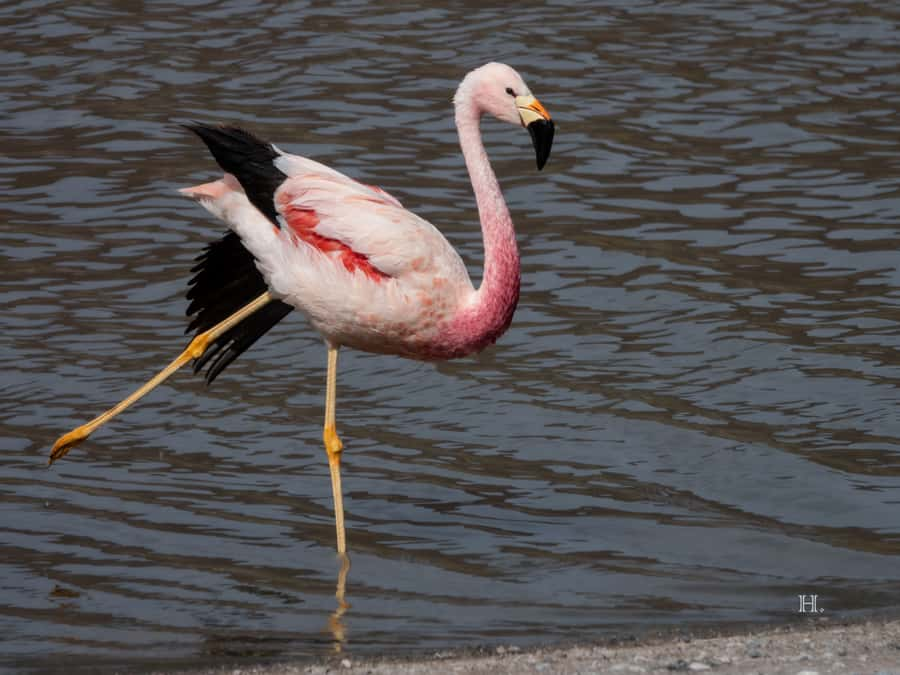
After Quirquincho Pass, the route continues to the wetlands near Machuca Village. You take a short hike here, so comfortable shoes are important. This is not presented as a strenuous trek, but the ground is part of a mountain wetland setting, and sensible footwear will make the walk more enjoyable.
The birdlife is the main draw. Flamingos may be the most memorable sight, but the wetland also supports several other bird species. If you are new to birdwatching, the binoculars and field guides help turn a passing bird into a proper sighting. You can compare markings, ask the guide questions and learn which details matter.
I like this stop because it slows the outing down. A standard sightseeing trip might pause for a quick photograph and move on. Here, the point is to spend time watching the wetland and waiting for useful views. That makes a real difference if you want photographs rather than a blurred record of something that flew away.
Flamingos also reward patience. You may see a large flock, but the best image or clearest view may come after several minutes of watching. The spotting scope is particularly useful here, allowing you to examine birds without needing to approach them.
Machuca Village itself adds a human element to the route. You drive through the village before continuing toward Putana Vade. The information provided does not include a separate village tour or meal stop, so do not book this expecting a long cultural visit in Machuca. The village is part of the route, while the main focus remains wildlife and scenery.
Putana Vade and the wide mountain view
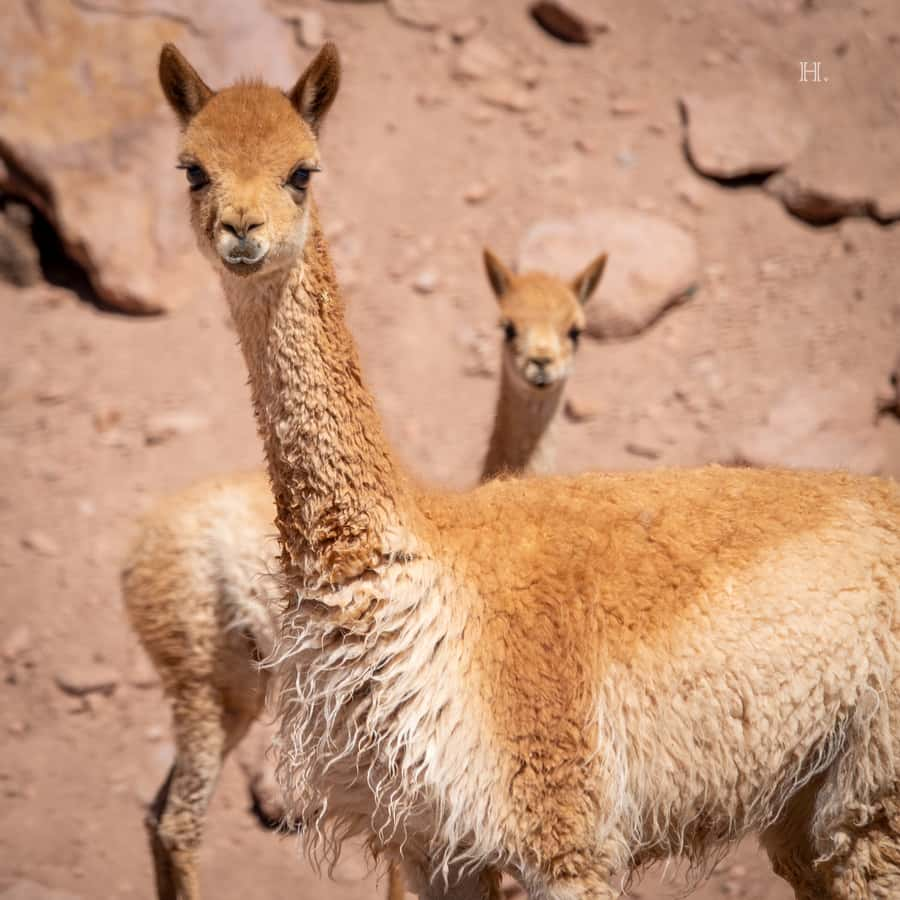
The final major stop is the Putana Vade lookout in the highlands. Here you can relax with a 360-degree view of the region’s largest wetland, surrounded by high volcanoes.
This is the place for the big picture. Quirkincho Pass gives you rocky terrain and the wetlands bring you close to birdlife. Putana Vade lets you see how those pieces fit together. The wetland spreads below the lookout, while volcanoes define the horizon in every direction.
The viewpoint should appeal even if you are not a photographer. It gives you a clear sense of the Atacama’s unusual contrast: water and birdlife in a dry highland setting, with stark volcanic peaks beyond. For photographers, the open view offers room to frame the wetland, wildlife and mountains together.
The timing may also suit people who enjoy softer light. One visitor particularly appreciated the golden light of the late afternoon, though exact departure times depend on availability. If warm evening color matters to you, check the start time before booking rather than assuming every departure will match sunset.
More Wildlife Trips around the world:
- Plettenberg Bay: Private Guided Wildlife Photography Tour
★ 4.9 · 49 reviews - Everglades: Birding, Wildlife, and Photography Expedition
★ 4.6 · 38 reviews - Longyearbyen: Wildlife Safari & Hiking Photography Tour
★ 4.4 · 27 reviews - Exquisite Wildlife & Wilderness Photo Tour Anchorage -Whittier
★ 5.0 · 12 reviews
What the photography support really adds
This is not a technical photography workshop. You are not promised lessons in exposure, lenses or editing. The value lies in having wildlife-focused guidance and useful equipment in places where animals may be far away.
The included gear consists of:
- Binoculars
- Spotting scopes
- Phone adapters for the spotting scopes
- Field guides covering fauna and birds
That setup works for several kinds of visitors. If you use a phone, the adapter may let you capture a closer record through the scope. If you carry a camera, the scope and binoculars help you locate subjects before you compose a photograph. If you simply enjoy looking, you can use the equipment without taking pictures at all.
A guide can also improve your results by helping you spend time in the right place. The most valuable photography help here is not a lecture. It is knowing where to stop, how long to wait and which distant shape deserves attention.
Keep your expectations sensible. Wildlife remains unpredictable, and a four-hour outing cannot guarantee every animal. The experience is strongest for people who enjoy the search itself, not only a checklist of perfect close-ups.
The guide and the small-group advantage
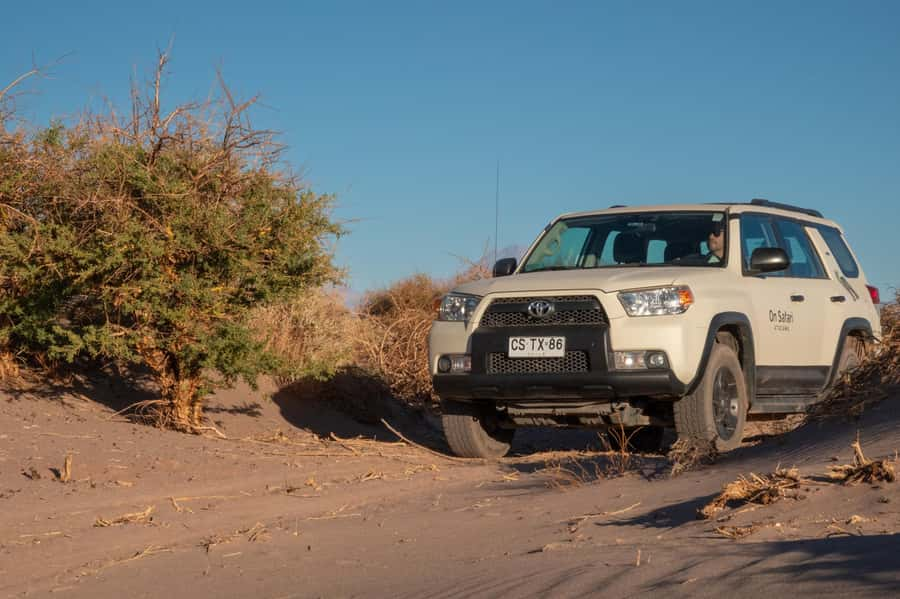
Juan Pablo, also referred to as Juan, is the named guide associated with this experience. He leads in English, Spanish or Portuguese and focuses on fauna. His role goes beyond naming animals. He can explain what you are looking at, help you spot it and talk about the wider Atacama and Chile.
The small group is limited to four participants. That is a particularly good arrangement for a wildlife trip because everyone needs access to the scope and everyone may have a different subject in mind. A birdwatcher may want time at the wetland, while a photographer may prefer to wait for a clear view of a vizcacha.
The experience can also work for solo bookers. One solo participant reported that the tour continued even when they were the only person booked, and the outing lasted longer than planned. That is encouraging, but you should not treat extra time as a promise. The stated duration is four hours.
If you have a particular goal, such as photographing a vizcacha or seeing flamingos, tell Juan Pablo early. Wildlife cannot be ordered up, but the guide can shape the search around your interests when conditions allow.
Is $145 a fair price?
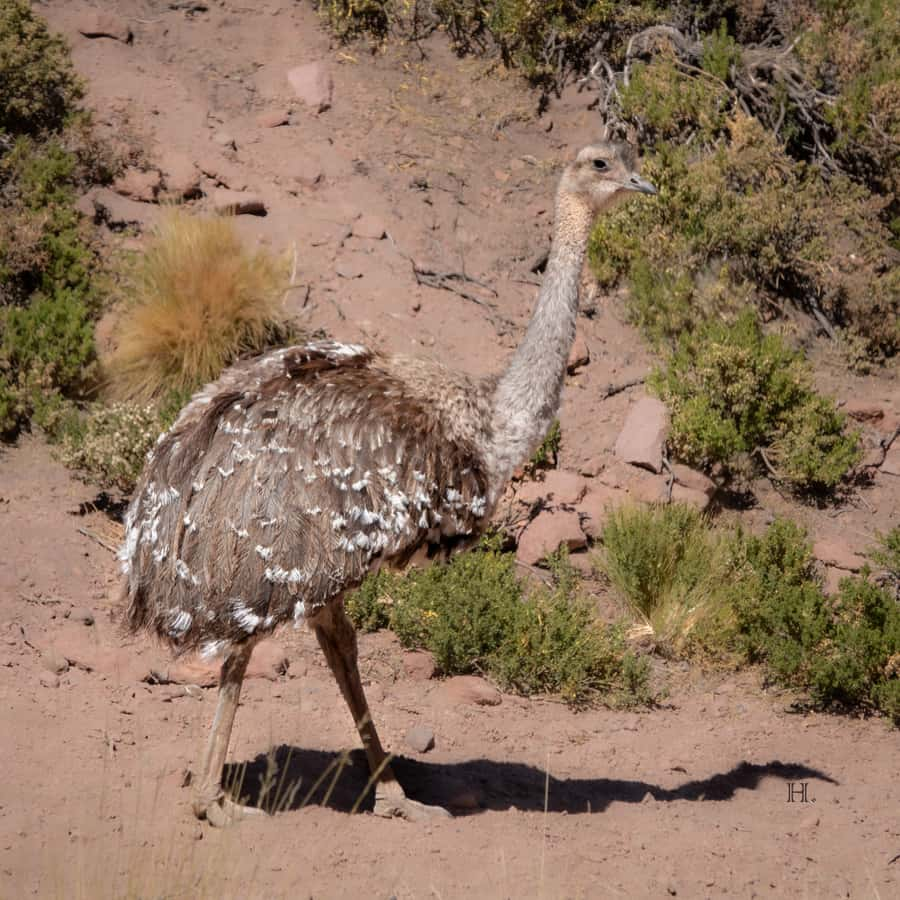
At $145 per person, this is not the cheapest way to see the Atacama. The value comes from the combination of a private-feeling small group, hotel transport, a specialist guide and optical equipment.
You are paying for four hours, including pickup and drop-off, rather than just a ride to a viewpoint. The price also covers binoculars, spotting scopes, phone adapters and field guides, so you do not need to bring a full set of viewing gear. For a visitor already interested in birds, mammals or photography, those inclusions make the cost easier to justify.
I would compare it with the cost and effort of trying to find wildlife alone. Without local help, you may pass a vizcacha or bird without seeing it. You would also need to arrange transport into the mountains and bring your own viewing equipment. The tour’s value is strongest if you want guidance and a calm pace rather than a basic scenic transfer.
The price is less convincing if your only goal is a quick volcano photograph. San Pedro has other outings for broad scenery, while this trip is built around animals and observation. Book it for the wildlife focus, not simply because it reaches mountain viewpoints.
What to bring for the four hours
The highland setting can feel cold, so bring warm clothing even if San Pedro is pleasant when you leave. A hat and sunscreen are also important, as the route includes open terrain and exposed viewpoints.
Wear comfortable shoes for the short hike near Machuca. The activity information does not specify walking distance beyond that short hike, but ordinary sightseeing shoes should be a sensible choice.
Your useful packing list is simple:
- Comfortable shoes
- Warm clothing
- Hat
- Sunscreen
You may also want your phone or camera fully charged. The phone adapter is included, but the tour does not state that charging is available in the vehicle.
Who should book this experience?
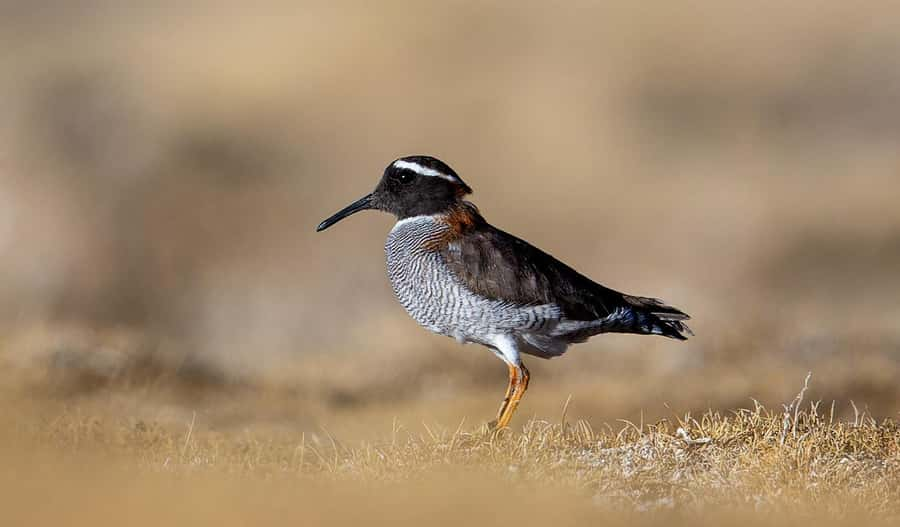
I would choose this tour if you want to see the Atacama through its wildlife rather than only its famous scenery. It suits birdwatchers, casual photographers, wildlife fans and anyone who likes asking questions while looking at the countryside.
It is also a good choice for beginners. You do not need to know bird names or understand camera settings before you arrive. The guide and field guides give you a place to start, while the optical equipment helps you see animals clearly.
Experienced photographers can benefit from the small group and patient pace, especially if they want time for flamingos, vizcachas or mountain views. Still, this is not a dedicated advanced photo class, so bring your own technical expectations.
The age rule is clear: children under 12 cannot join. Older children and adults should be comfortable with a short hike, cold weather and time spent quietly looking for animals.
Booking details worth checking
Hotel pickup and drop-off are included, with the pickup handled by the car company. The activity lasts four hours, and you need to check available starting times before choosing a departure.
Guiding is offered in English, Spanish and Portuguese. The group is capped at four people, which helps keep the outing personal and makes shared use of the spotting scopes more manageable.
You can cancel up to 24 hours before departure for a full refund. The reserve-now, pay-later option lets you hold a place without paying immediately, which is useful when your San Pedro plans depend on weather or other highland excursions.
Should you book the San Pedro wildlife safari?
Book it if you want real time with Atacama wildlife, especially flamingos, vizcachas, guanacos, vicuñas and mountain birds. Juan Pablo’s guidance, the small group and the supplied viewing gear give you a better chance of noticing animals that you would miss on your own.
Skip it if you want a long hike, a full-day trip or a formal photography course. For everyone else, $145 buys a focused four-hour outing with transport, expert wildlife guidance and three very different settings. I would make this a strong pick for anyone who values quiet observation over a rushed sightseeing circuit.
FAQ
How long does the wildlife and photography tour last?
The tour lasts four hours.
What animals might I see?
Possible sightings include guanacos, vicuñas, vizcachas, flamingos and other birds. Wildlife sightings cannot be guaranteed.
Where does the tour go?
The route includes Quirquincho Pass, the wetlands near Machuca Village and the Putana Vade lookout.
Is hotel transportation included?
Yes. Hotel pickup and drop-off are included.
What photography equipment is provided?
The tour provides spotting scopes with phone adapters, binoculars and field guides for fauna and birds.
What languages does the guide speak?
The live guide service is available in English, Spanish and Portuguese.
How many people can join the group?
The group is limited to four participants.
Can children join the tour?
Children under 12 are not permitted to participate.
What happens if I need to cancel?
You can cancel up to 24 hours in advance for a full refund. You can also reserve now and pay later.
Just added around the world
- ️ Hanoi Instagram Tour: Most Famous Spots (Private & All-Inclusive)★ 5.0 · 12 reviews
- Hanoi Explorer Photo Tour★ 5.0 · 40 reviews
- Into the Thieves Market Hanoi Photo Tour★ 5.0 · 10 reviews
- Hanoi Street Photography with a Pro – Phone & Camera★ 5.0 · 27 reviews
- ️ Ha Long Bay Instagram Tour: Most Famous Spots (Private & All-Inclusive)★ 4.5 · 4 reviews
- Cultural Hanoi Photo Walk – A Street Photography Tour★ 5.0 · 6 reviews
- Private Hanoi Photoshoot – Iconic Spots & Hidden Gems★ 5.0 · 16 reviews
- 4 hour individual photo tour of Hamburg★ 5.0 · 2 reviews
Photography Tours, side by side.
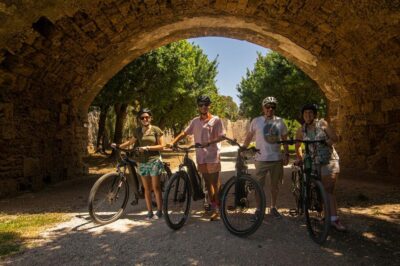
Rhodes: E-bike Highlights Sunset or Morning Photo Tour
Read our review →
Lists this one turns up in