
Review · WILDLIFE
Kiruna: Wildlife and nature photography
Kiruna’s wild side comes into focus on this small-group outing, where a local Sami guide helps you search for moose and other Arctic animals rather than simply driving past scenery. You can borrow a camera with a telephoto lens, learn basic wildlife photography, and hear about Sami life from someone connected to the area. I like the hands-on camera help and the chance to work in the region’s striking blue and golden light.
I also like the practical extras: pickup from central Kiruna locations, warm covering clothes, winter shoes, and a hot drink with cake. The main consideration is wildlife luck. You may see moose and birds, but foxes, hares, lynx, and wolves are not promised, and one outing included a fair amount of driving for sightings that felt limited.
Key points to know before booking
- Small groups of up to eight make it easier to ask photography questions and keep the outing personal.
- A telephoto camera is available at no extra charge, but you need to bring your own SD memory card.
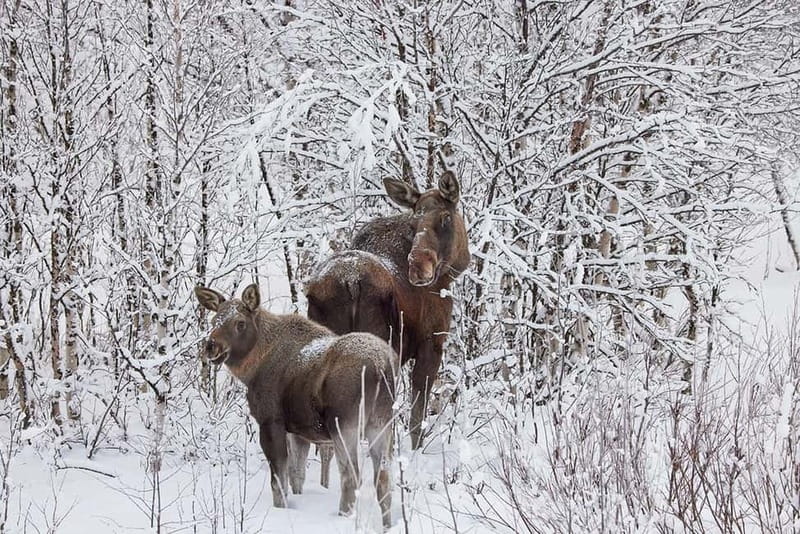
- Moose are the main hoped-for sighting, with other Arctic animals possible along the route.
- A Sami guide adds local context, including information about Sami life, nature, and the region.
- Warm clothing and winter shoes are supplied, though you should still dress for severe Arctic conditions.
- The four-hour format includes transport and time outdoors, so expect some sitting in a vehicle as well as walking on snow or uneven ground.
A four-hour search for moose near Kiruna
This experience is built around patience, movement, and chance. You meet the guide at a pickup point in Kiruna and travel into the surrounding nature in search of moose and other animals. The exact wildlife sequence can change with the season, weather, and animal behavior.
That uncertainty matters. This is not a zoo visit or a fixed viewing platform. The reward is seeing animals in their own habitat, but the trade-off is that you might spend part of the four hours moving between areas or watching carefully without a major sighting.
The tour works in both winter and autumn. In winter, snow and cold shape the outing. In autumn, the setting changes to colorful ground cover and softer seasonal light. The guides use the conditions as part of the photography lesson, showing you how light, distance, and background affect an image.
You should be ready for a mixture of vehicle travel, short walks, pauses for wildlife, and photography practice. The information provided does not give a fixed route or a guaranteed number of stops, so you should think of this as a guided wildlife search rather than a tightly scripted sightseeing circuit.
More Wildlife Trips around Sweden:
- Plettenberg Bay: Private Guided Wildlife Photography Tour
★ 4.9 · 49 reviews - Everglades: Birding, Wildlife, and Photography Expedition
★ 4.6 · 38 reviews - Longyearbyen: Wildlife Safari & Hiking Photography Tour
★ 4.4 · 27 reviews
Borrowing a camera or using your own
A major advantage is the included camera with a telephoto lens. That gives you a better chance of photographing animals from a safe distance, especially if you do not own wildlife equipment.
The camera instruction covers the basics needed for the outing. One recent participant found the camera briefing focused on the important points, which is exactly what you want before heading outside in the cold. You are not signing up for a full photography course, but you should come away with practical experience using the equipment.
You can also use your own camera or mobile phone. A phone is suitable for scenery, close details, and general images, but distant animals are much harder to photograph well without optical zoom. If you own a camera, bring it and ask the guide for tips suited to your equipment.
Do not forget the SD memory card. It is not included, and the borrowed camera cannot help you save images without storage. Bring a card that fits your camera, along with a fully charged phone or camera battery.
Flash photography is not allowed. That is good wildlife etiquette and avoids startling animals. Keep your movements calm, follow the guide’s instructions, and accept that a sharp photograph is less important than keeping a safe distance.
What the Sami guide adds
The guide is not there only to point out animals. The experience also introduces you to Sami life and the relationship between people, animals, and the Arctic environment.
That local perspective gives the photography a useful sense of place. You are not just collecting pictures of a moose in snow. You are learning how the area is used and understood, and how to behave responsibly around wildlife.
The guides also share information about Arctic nature. They can help you notice details that are easy to miss when you are focused on getting a picture: changing light, tracks, seasonal colors, birds, and the way open ground or woodland affects a composition.
The supplied information does not name individual guides, so you should not expect a particular person by name. The tour is offered in English and Swedish, which makes it suitable for visitors who speak either language.
The light is part of the subject
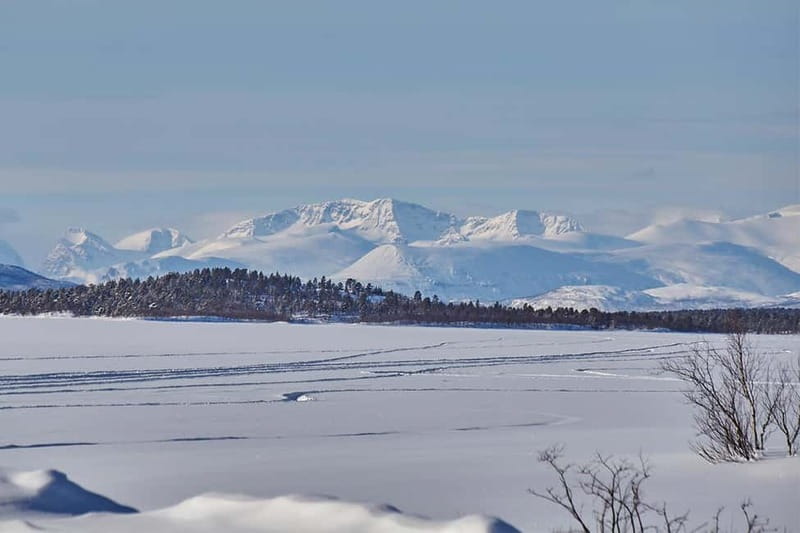
Kiruna’s light is one of the strongest reasons to bring a camera. The tour description points to blue and golden light reflected by snow and the surrounding scenery. These conditions can give even a simple view a strong mood.
In winter, the white ground can make the blue tones especially noticeable. Snow also creates a clean background, though it can fool a camera’s exposure settings and make images look too dark. This is the kind of problem a guide can help you correct while you are working.
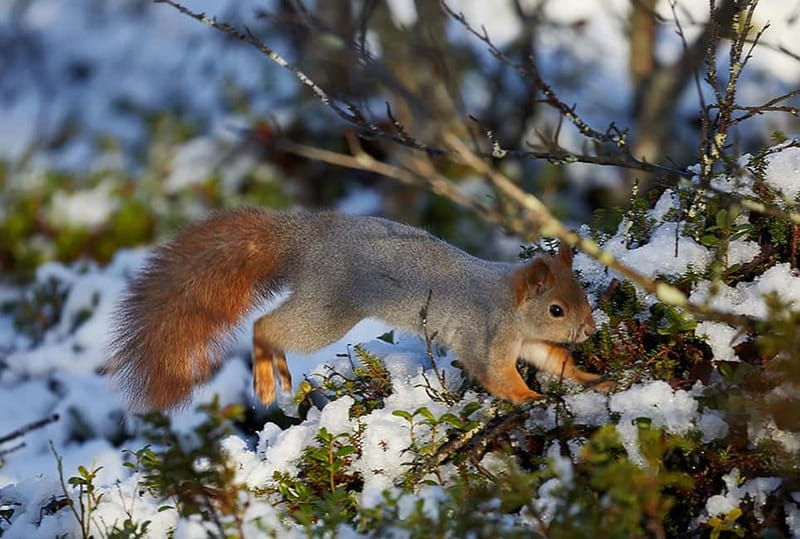
Autumn brings a different palette. Colorful vegetation can frame a moose or bird, and the softer seasonal setting may give photos more detail than a flat white background. The tour runs throughout the year, so the best choice depends on the look you want.
You do not need advanced skills to benefit. The guide’s advice is aimed at practical use in the field. You can learn how to hold the camera, use the telephoto lens, compose a distant animal, and work with the available light. With a phone, you can still practice framing, timing, and keeping the image steady.
More photo tours and shoots in Sweden:
- Kiruna Northern Lights Tour with Photographer
★ 5.0 · 735 reviews - Abisko Northern Lights Tour with Photographer
★ 5.0 · 104 reviews - Abisko: National Park Northern Lights Photo Tour
★ 4.6 · 86 reviews - Abisko: Aurora Car Chasing Tour with Photographer
★ 4.8 · 60 reviews
Wildlife sightings: rewarding, but not guaranteed
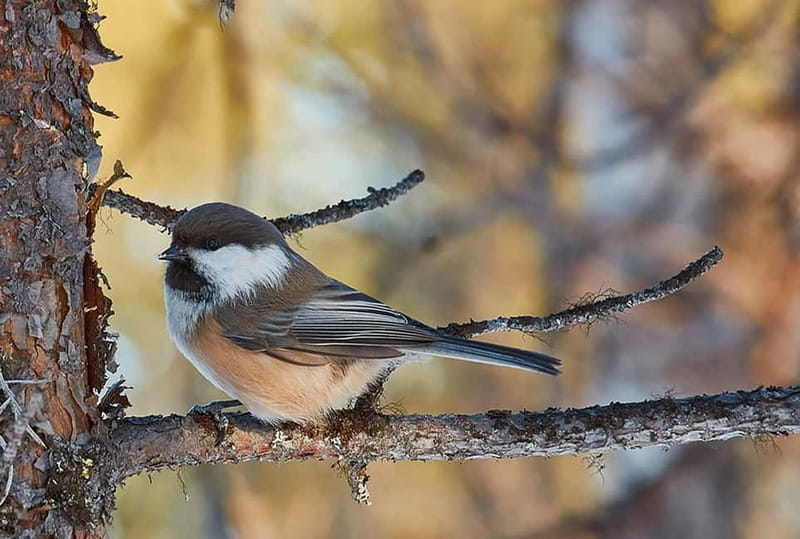
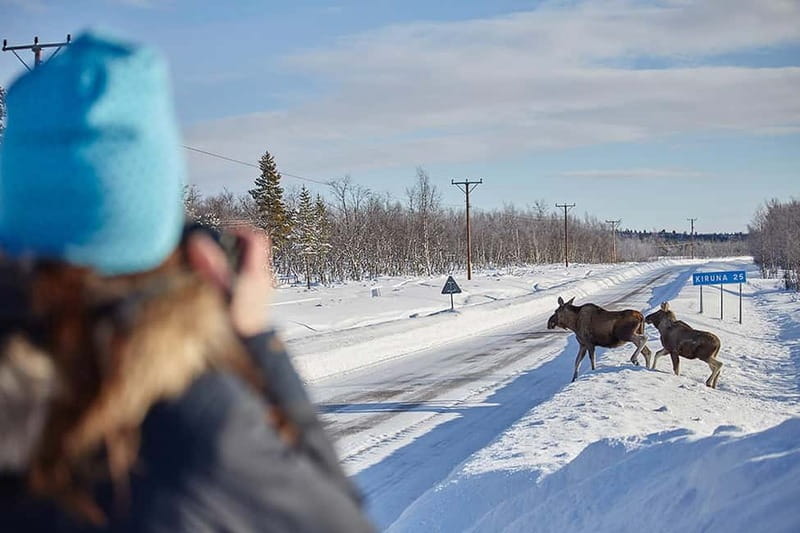
Moose are the main attraction. They may appear in natural surroundings or along the road, and a telephoto lens helps you photograph them without approaching too closely.
Other Arctic animals are possible, but you should keep expectations realistic. One outing produced sightings of birds and moose, while smaller or rarer animals such as foxes, hares, lynx, or wolves did not appear. The same outing also involved time spent getting from place to place, which reduced the time available for watching.
That is not necessarily a flaw in the guide’s work. Wild animals do not follow a timetable. Still, it is important to know what you are paying for. You are buying guided access to a good search area, local knowledge, equipment, and photography instruction. You are not buying a guaranteed wildlife checklist.
Some bird sightings may happen near places where nests and food have been used to attract birds. This can give you a better chance to practice photographing smaller animals, but it is different from a completely spontaneous encounter. If authentic wildlife behavior is your top priority, ask the operator how sightings are handled before booking.
The safest approach is to treat every animal as a bonus. If you see a moose at a useful distance and get a clear photograph, the trip may feel highly successful. If you see only birds or animals along the road, the photography practice and local interpretation become more important parts of the value.
Warm clothes, snow, and the physical side
The operator supplies covering clothes and winter shoes. That is helpful if you are visiting Kiruna with ordinary city clothing or do not want to pack heavy Arctic gear.
Still, bring warm personal layers. The instructions specifically say to dress for Arctic conditions, and supplied outerwear does not replace warm socks, gloves, a hat, and comfortable base layers. You should also wear shoes that feel secure when walking on snow or uneven ground, even if winter shoes are provided.
This is not a demanding hike, but it is not fully accessible sightseeing either. You may walk in snow or over uneven terrain, and the activity is not suitable for people with mobility impairments. Children under eight cannot join. Children who are old enough share a camera with their parents, so families should not expect one camera per child.
The cold can affect your camera and phone battery. Keep spare batteries close to your body if you bring them, and handle equipment carefully when moving between warm and cold air. These are sensible precautions for any Arctic photography outing.
Pickup points and the early start
Pickup is included from Icehotel, Kiruna tourist office, or Camp Ripan. The listed pickup time is around 8:00 a.m. from the tourist office on Malmvägen 9B and 8:15 a.m. from Camp Ripan.
The early start suits photography. Morning light can be attractive, and getting out early may improve your chance of seeing animals before the day becomes busier. It also means you need to plan breakfast and clothing in advance.
The four-hour duration is long enough to get beyond a quick photo stop, but short enough to fit into a busy Kiruna schedule. Remember that the clock includes transportation, preparation, wildlife searching, walking, and the refreshment break. If you want several hours at every location, this may feel brief. If you want a focused half-day activity, the length is sensible.
Pickup from Icehotel makes the tour easy to add to an Icehotel stay. Camp Ripan and the tourist office are also practical meeting points for visitors based in Kiruna.
The small-group difference
The group is limited to eight people. That is a useful size for wildlife photography because the guide can explain camera settings without addressing a large crowd.
A small group also helps when the guide spots an animal. Fewer people generally make it easier to stay quiet and keep movements controlled. You can ask about the camera, the Sami culture, or the local environment without waiting through a long line of questions.
There is one possible limitation. Wildlife watching depends on the whole group, so you may not always choose exactly how long to spend at a particular point. If several people are using borrowed cameras, the pace may include short pauses for instruction and equipment handling.
For most people, that is a fair trade. The group size supports a more personal outing without making the activity private or expensive.
The hot drink and cake by the fire
The refreshment break is a small detail, but it matters in Arctic weather. A hot drink and cake give you a chance to warm up, reset your hands, and talk with the guide about what you have seen.
One participant specifically appreciated the guide, the information shared, and hot drinks by the fire. That combination gives the outing a human center. You are not spending four hours in silence, staring through a lens and hoping something appears.
The break also makes the experience more comfortable for people who are new to cold-weather activities. Even with warm clothing, standing still for wildlife photography can chill you quickly. Use the pause to check your camera, change a battery if needed, and ask for advice on the photographs you have taken.
The exact food selection is limited to a hot drink and cake, so do not treat it as a full meal. Have breakfast before pickup.
Is $220 a fair price?
At $220 per person, this is not a cheap wildlife outing. The value depends on how many parts of the experience you will use.
The price includes pickup, a borrowed wildlife camera with telephoto lens, warm covering clothes, winter shoes, a local Sami photo guide, photography instruction, the wildlife search, and refreshments. Renting similar camera gear separately could be costly, especially if you do not already own a telephoto lens.
The price makes the most sense for three types of people:
- You want to photograph moose but lack suitable equipment.
- You want a small-group activity with cultural interpretation, not just transport to a viewing area.
- You are interested in learning basic wildlife photography during a real outdoor outing.
The value is weaker if you already own good wildlife equipment and mainly want guaranteed animal sightings. It is also weaker if you dislike time in a vehicle or have a short list of rare animals you absolutely must see.
The rating of 4.5 from seven reviews suggests a generally strong experience, but the small number of ratings means you should not read too much into the number alone. The written feedback points to good guide support and clear camera instruction, along with a fair warning about travel time and modest sightings on at least one outing.
Free cancellation up to 24 hours before the activity and the option to reserve without paying immediately make the booking less risky. Those terms help if your Kiruna schedule or weather plans are still changing.
Who should book this Kiruna photo tour?
I would recommend it to first-time Arctic visitors who want a guided introduction to moose, nature photography, and Sami culture in one outing. It is especially useful if you are traveling without a telephoto lens or if you want help using a camera rather than simply taking snapshots.
It also suits photographers who enjoy the process as much as the result. The changing light, snow, autumn colors, and search for wildlife can provide good practice even when the animals remain distant.
I would be more cautious if you need a guaranteed sighting, expect a full photography workshop, or want a strenuous wilderness walk. You should also skip it if you have limited mobility, are bringing a child under eight, or do not want to spend part of the outing traveling between viewing areas.
Should you book it?
Book this experience if you value local guidance, borrowed wildlife equipment, and a small group more than guaranteed animal numbers. The Sami perspective and practical camera help give the four hours more substance than a simple moose search.
Do not book it expecting lynx, wolves, or close animal encounters on demand. Go prepared for cold, snow, some transport time, and the possibility that moose and birds are the main sightings. If that sounds like a fair Arctic adventure, the included gear and guide support make $220 a reasonable price for a specialized half-day outing.
FAQ
How long is the wildlife photography experience?
The activity lasts four hours.
Where can I be picked up?
Pickup is available from Icehotel, Kiruna tourist office, or Camp Ripan. Pickup from the tourist office on Malmvägen 9B is around 8:00 a.m., and pickup from Camp Ripan is at 8:15 a.m.
Is a camera included?
Yes. You can borrow a camera with a telephoto lens for wildlife photography at no extra cost.
Can I use my own camera or phone?
Yes. You may use your own camera or mobile phone instead of the supplied camera.
Do I need to bring an SD memory card?
Yes. An SD memory card is not included, so bring one if you plan to save photographs from the borrowed camera.
Is warm clothing provided?
Covering clothes and winter shoes are included. You should still bring warm clothing and comfortable shoes suitable for Arctic conditions.
What languages are available?
The live guide service is available in English and Swedish.
Is the activity suitable for children or people with mobility impairments?
The activity is not suitable for children under eight or for people with mobility impairments. Children share the camera with their parents.
Just added around Sweden
- Private Professional Photo Shoot in Stockholm★ 5.0 · 2 reviews
- Stockholm: Private Photoshoot – Photography Experience★ 5.0 · 10 reviews
- Private Golden Hour Photo Walk in Stockholm★ 5.0 · 7 reviews
- Magical ”Stockholm by Night” Photo Walk★ 5.0 · 5 reviews
- Kiruna: Northern Light Photo Tour with Equipment★ 5.0 · 7 reviews
- Abisko: Photo Hike with Professional Photographer★ 4.9 · 12 reviews
- Abisko: Northern Lights Photography Tour with Dinner★ 5.0 · 31 reviews
- Abisko: Fjord Sightseeing and Photography Tour★ 4.8 · 48 reviews
Wildlife, side by side.
Plettenberg Bay: Private Guided Wildlife Photography Tour
Read our review →
Everglades: Birding, Wildlife, and Photography Expedition
Read our review →
Longyearbyen: Wildlife Safari & Hiking Photography Tour
Read our review →
San Pedro de Atacama: Wildlife Safari and Photography Tour
Read our review →
Exquisite Wildlife & Wilderness Photo Tour Anchorage -Whittier
Read our review →
Full Day Guided Wildlife Photography Tour In Yellowstone
Read our review →
Wildlife Photography Workshop in Richmond Park in London
Read our review →
Lists this one turns up in