
Review · TOKYO PHOTO TOURS & PHOTOSHOOTS
Tokyo: Samurai Experience | Kendo Lesson & Free Photos
Kendo is more than swinging a bamboo sword. This two-hour session teaches the calm focus behind a successful strike, then lets you test your timing in armor under the eye of instructors Daichi and Makoto. I like the clear English explanation of ki-ken-tai-no-itchi, the harmony of spirit, sword, and body, and the way the lesson builds from footwork to sparring.
I also like the small group limit of 10, which gives the instructors room to correct movement and explain what is happening. The main drawback is physical heat: the equipment and activity can feel warm, so wear light athletic clothing underneath and expect a workout.
Key points before you book
- Two hours from history lesson to sparring: You learn the background, rules, etiquette, movements, and basic strikes before putting on protective gear.
- Daichi and Makoto lead the training: English and Japanese instruction makes the lesson accessible to first-time students.
- Scoring has three parts: You practice ki-ken-tai-no-itchi, joining intent, sword technique, and body movement in one action.
- A real physical activity: The armor and sparring can make the dojo warm, with rest periods and cold water available.
- Small group, maximum 10 people: The format leaves space for hands-on coaching rather than a quick photo stop.
- Photos and practical extras included: Kendo clothing, a bamboo sword, drinks, souvenirs, and free photos are part of the experience.
Why this kendo lesson feels different from a costume photo stop
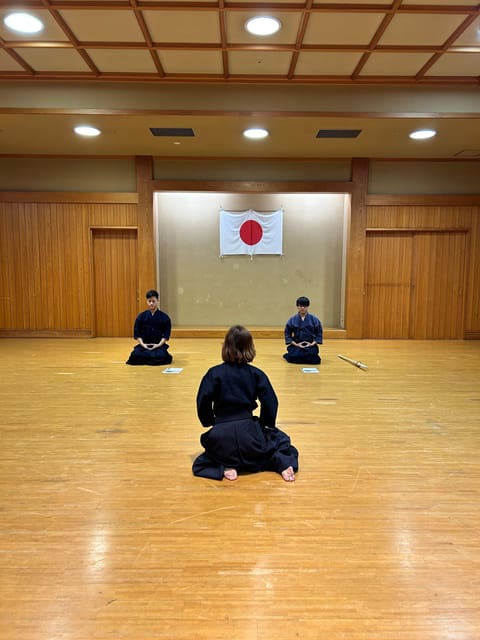
Tokyo offers plenty of ways to dress up as a samurai. This experience takes a more serious route. You put on kendo clothing, learn why the art values discipline and manners, and practice the parts that make a strike count.
That difference matters. Kendo uses the bamboo sword, called a shinai, but the goal is not simply to hit something. A valid point requires the right spirit, proper sword control, and correct body movement. The lesson explains this through ki-ken-tai-no-itchi: ki is focused intent, ken is the sword action, and tai is the body and footwork.
I like this approach because it gives meaning to each exercise. You are not just copying a dramatic sword pose for a camera. You are learning why a strike must be controlled, deliberate, and supported by the whole body.
The session also introduces the samurai mindset. Historical samurai needed a calm mind in moments when hesitation could be fatal. Modern kendo is not combat training for battle, but it preserves the idea that mental control matters as much as physical technique. That context gives the class more weight than a standard martial arts demonstration.
More photo tours and shoots in Tokyo:
- Tokyo: Kimono Dressing, Walking, and Photography Session
★ 4.9 · 427 reviews - Best Go Kart Experience in Shibuya Crossing with Iconic Photos
★ 5.0 · 348 reviews - Tokyo Ryogoku Sumo Morning Practice + Photo Shoot with Wrestlers
★ 4.5 · 277 reviews
Starting with kendo history, etiquette, and the rules
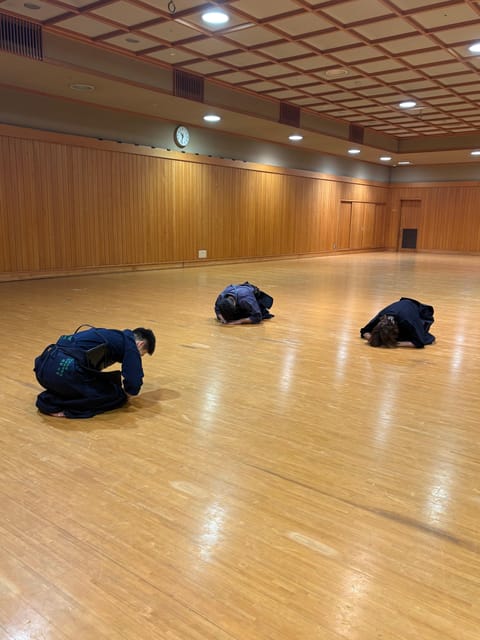
After changing into kendo attire, you begin with an English explanation of kendo’s background, spirit, and rules. This is an important opening for beginners. Kendo can look too fast to follow, especially when two experienced practitioners exchange strikes in a flash.
Daichi and Makoto explain what you should watch for. You learn why manners and etiquette are central to Japanese martial arts, why focus matters, and how a strike is judged. The instructors also cover details that often surprise first-time students, including the fact that kendo can use two bamboo swords.
This part is not filler before the action. It gives you a basic vocabulary and a way to read the movements later. By the time you see a faster exchange, you should have a better sense of why one strike scores and another does not.
The English guidance is especially useful for people who have never seen kendo before. You do not need prior experience or special knowledge. Questions are welcome, so this is a good fit if you have wondered why kendo practitioners shout, bow, move in a certain way, or pause before attacking.
Footwork first, then the bamboo sword
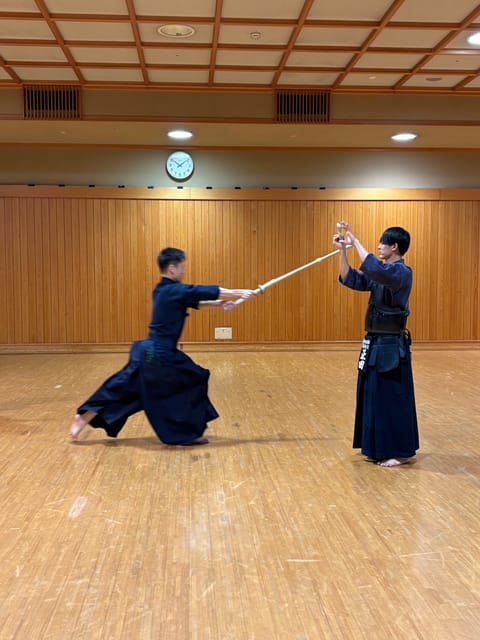
The practical work begins with basic foot movement. This is where the session shows that kendo is not simply arm strength. Your feet, posture, balance, and timing all affect the quality of a strike.
You then learn how to hold and use the shinai. The instructors add elements step by step, combining movement with sword technique. That gradual build helps you keep track of the details. Instead of asking you to remember a long sequence at once, the lesson gives you one piece, then adds another.
The goal is to make your body and sword move together. A wide swing may look impressive, but it is not enough. The instruction focuses on controlled strikes, proper movement, and the intent behind the action.
This is also where your expectations should be realistic. Two hours cannot turn you into a kendo practitioner. You will learn the foundations and get a guided taste of the discipline, not complete mastery. For a first session, that is the right balance. You get enough instruction to understand what you are doing, then enough practice to feel the challenge.
Practicing against a protected instructor
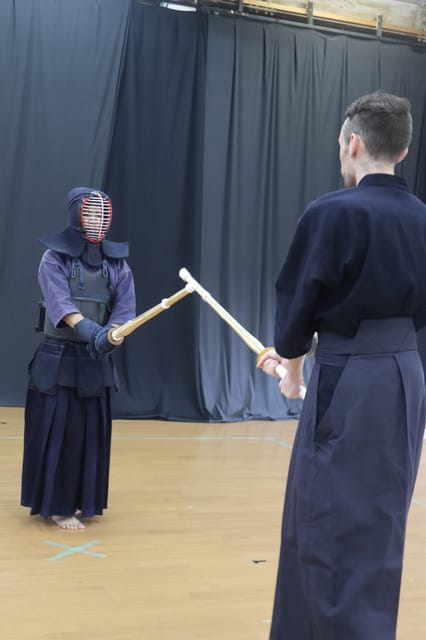
Once the basic movements are in place, you practice strikes against a protected instructor. This is one of the most useful parts of the session because it turns a dry movement into a live reaction.
The instructors help you feel how timing works. In kendo, rushing forward without a plan is a mistake. You need to recognize an opening, draw out an opponent’s movement, or act when hesitation appears. That idea can be difficult to understand from an explanation alone, so the guided exercises make it more concrete.
The protected gear also lets you practice with more confidence. You are not expected to guess how hard to strike or where to aim without help. The instructors set up the exercise and show you the correct action.
I would pay close attention here, even if the session feels playful. This is the point where the samurai mindset becomes practical. You are learning to stay focused, watch your partner, and act at the right moment instead of charging ahead.
Same backdrop, a different kind of shoot:
- Tokyo Cyberpunk Street Photo Tour
★ 5.0 · 165 reviews - Tokyo by Night Photography Tour (Private Option Available)
★ 5.0 · 151 reviews - Tokyo Shinjuku Night Photo Tour with Pro Gota
★ 5.0 · 142 reviews - Tokyo: Sumo Practice Tour with Ring-Side Seat and Photoshoot
★ 4.7 · 103 reviews
Wearing full protection for a short match
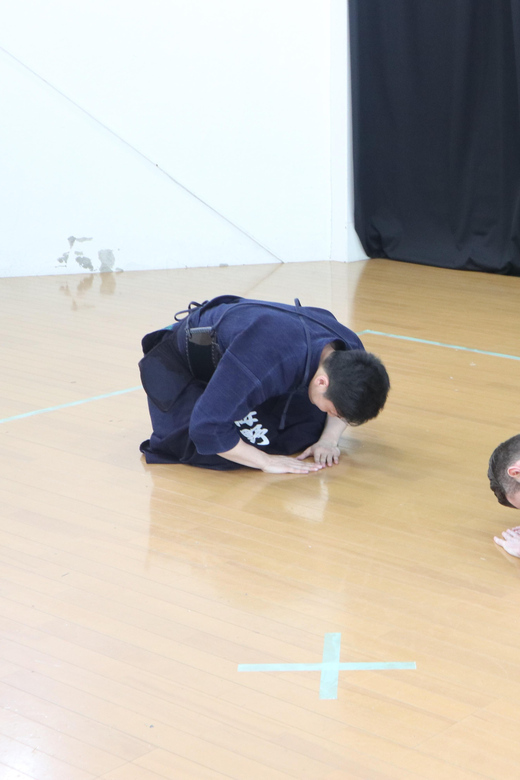
The most memorable stage for many people is putting on the complete protection, including the helmet, and taking part in a small fight. You first learn the movements in a controlled way, then get a chance to use them in a more active exchange.
Do not expect a long tournament bout. The point is to let you experience the speed, pressure, and uncertainty of kendo after learning the basics. Even a short match can show how hard it is to keep your feet, sword, and attention working together.
The instructors also demonstrate techniques and may show what it feels like to be caught off guard. That contrast is useful. You see that a successful strike depends on opportunity and timing, not just force.
One practical warning: this is a workout. The equipment can feel warm, and the sparring raises the effort level. Wear clothing suitable for exercise under the kendo attire. The session includes rest periods and cold water, which helps, but people who dislike heat should take the physical side seriously.
Watching masters make the speed easier to understand
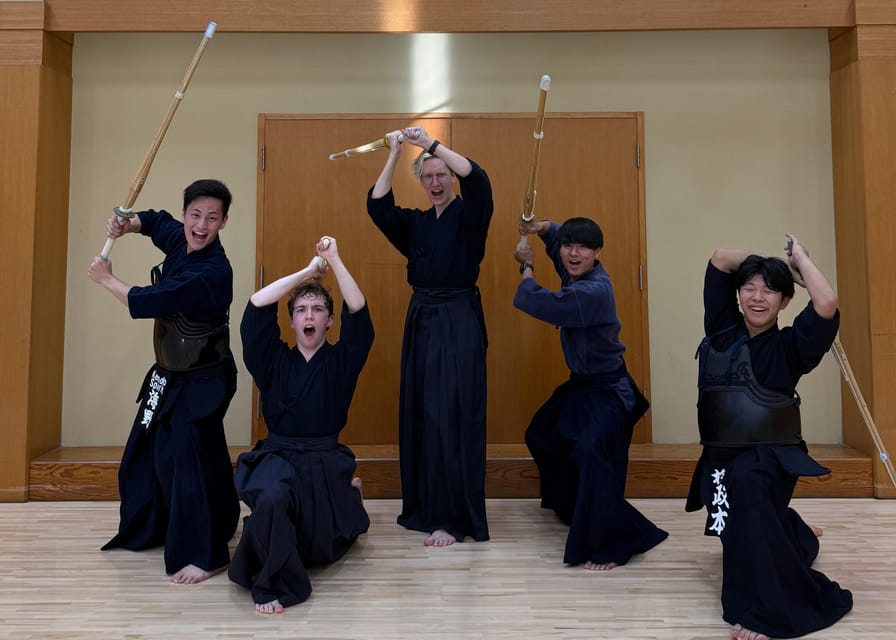
A demonstration or exchange between the instructors gives you a better view of advanced kendo. At full speed, a match can seem like a blur. The lesson breaks down the signs of a successful strike, so you can watch with more understanding.
You may also see Daichi and Makoto face one another in a more serious demonstration. This is a valuable comparison with your own practice. Their movements show the precision, distance, and timing that beginners are only starting to recognize.
That demonstration helps answer a common question: how can anyone tell who scored when the action happens so quickly? You learn to look for the complete combination of intent, sword contact, body position, and correct form.
I appreciate this teaching choice because it trains your eyes as well as your body. You leave with a clearer idea of what kendo practitioners are trying to achieve, even if your own strikes remain basic.
What the $105 price covers
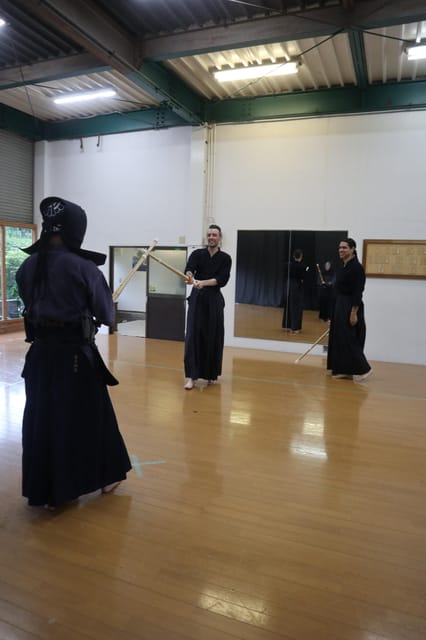
At $105 per person, this is not the cheapest samurai-themed activity in Tokyo. The value depends on what you want. If your priority is a quick costume photo, there are simpler options. If you want instruction, equipment, practice, sparring, and cultural context in one two-hour session, the price is easier to justify.
The package includes the kendo attire, bamboo sword, drinks, souvenirs, and free photos. You do not need to arrange your own shinai or protective equipment for this introduction. The photos also give you a record of the experience without making the camera the main purpose of the visit.
The small group size matters to the value. With no more than 10 participants, the class has a better chance of giving you direct correction and time to practice. The instructors are not simply performing at a distance. They guide basic movements, work with you against protective gear, and explain the rules in English or Japanese.
Group discounts and discounts connected with social media posts may be available through Kendo Spirit’s website. Check the current offers before booking, since the savings can change the final cost.
Who will enjoy this experience most
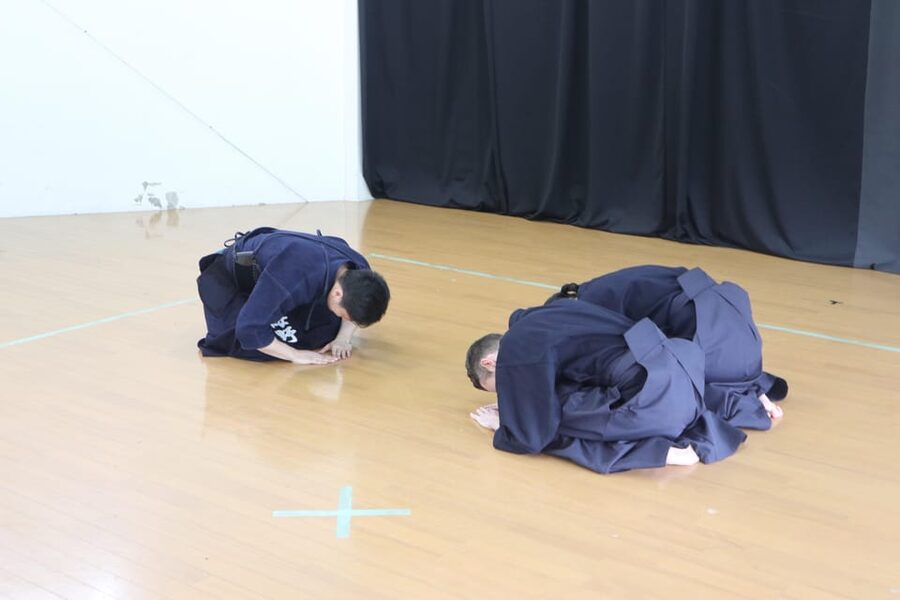
This is a strong choice for first-time visitors interested in samurai culture, Japanese martial arts, swords, or hands-on activities. You do not need previous kendo experience, and the English instruction makes the lesson approachable.
It also suits families with older children and teenagers. One class included a 54-year-old parent and a 15-year-old daughter, showing that the format can work across generations. The activity is still physical, so each person should be comfortable taking part in movement and sparring.
You will probably enjoy it most if you like learning through practice. The class has explanations, but it does not stop at a lecture. You change clothes, move across the dojo, handle the shinai, practice against a protected instructor, wear full gear, and take part in a short fight.
It may be less suitable if you want a quiet cultural talk, dislike warm equipment, or are looking for a polished stage show with little participation. This is an active lesson. You should expect to sweat and make mistakes.
The activity is not suitable for pregnant women, babies under one year, or people over 95 years old. Alcohol and drugs are not allowed.
Group size, timing, and cancellation
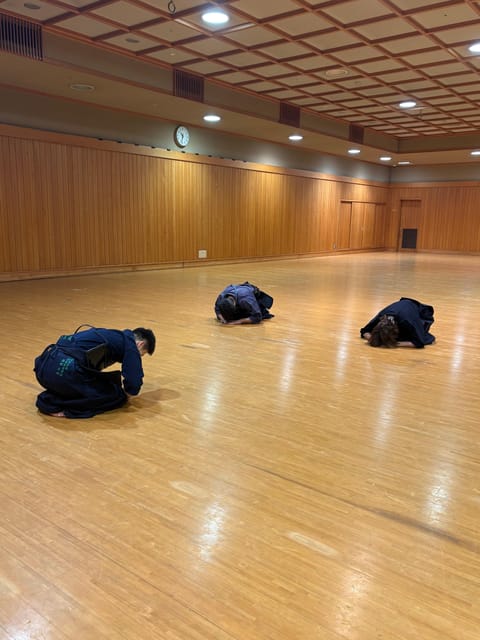
The experience lasts two hours, with starting times shown when you check availability. The maximum group size is 10, so booking ahead is sensible if you want a particular time.
Instruction is available in English and Japanese. The English component covers kendo history, rules, techniques, etiquette, and the meaning of key terms. That makes this a practical pick for visitors who want more than a silent demonstration.
You can cancel up to 24 hours before the start time for a full refund. A reserve-now, pay-later option is also available, which helps if your Tokyo schedule is still shifting.
Final call: should you book Kendo Spirit?
Book this experience if you want to understand kendo from the inside, not just look like a samurai for a few minutes. The strongest parts are the clear teaching, the progression from footwork to armor, the chance to learn with Daichi and Makoto, and the small-group setting.
The main caution is effort. The gear can be hot, and the final sparring is more strenuous than a standard sightseeing activity. Wear exercise-friendly clothing, pace yourself, and use the rest periods.
For a first taste of kendo in Tokyo, $105 is fair when you count the lesson, equipment, drinks, souvenirs, and photos. You should book it if the idea of learning how points are actually scored sounds more appealing than simply holding a sword for a picture.
FAQ
How long does the kendo experience last?
The experience lasts two hours.
How much does the activity cost?
The listed price is $105 per person.
Do I need previous kendo experience?
No. The lesson is designed for beginners and includes English guidance on kendo history, rules, and techniques.
Which languages are available?
Instruction is available in English and Japanese.
How many people can join the group?
The group is limited to 10 participants.
What is included in the price?
The experience includes a two-hour kendo session, kendo attire, a bamboo sword called a shinai, drinks, souvenirs, and free photos.
Is the activity physically demanding?
Yes. You practice footwork, sword movements, protected strikes, and a short sparring match. The equipment and activity can feel warm, and rest periods with cold water are provided.
Can I cancel for a refund?
You can cancel up to 24 hours in advance for a full refund. A reserve-now, pay-later option is also available.
Just added around Tokyo
- Tokyo: Private Photoshoot at Shibuya Crossing★ 4.7 · 7 reviews
- Tokyo: Customized Private Historical Guided Photoshoot Tour★ 5.0 · 25 reviews
- Tokyo Private photo tour with Nightstreet Neon photographer★ 5.0 · 17 reviews
- Tokyo: Private Makeover Photography Studio in Luxury Kimono★ 5.0 · 22 reviews
- Tokyo: Private Instagramable Customised Tokyo City Day Tour★ 4.2 · 4 reviews
- Tokyo: Private Photo Shoot with a Professional Photographer★ 5.0 · 11 reviews
- Tokyo Portrait Tour with a Professional Photographer★ 5.0 · 29 reviews
- Tokyo: Photography Masterclass – Private Photo Lesson★ 5.0 · 7 reviews
Tokyo Photo Tours & Photoshoots, side by side.
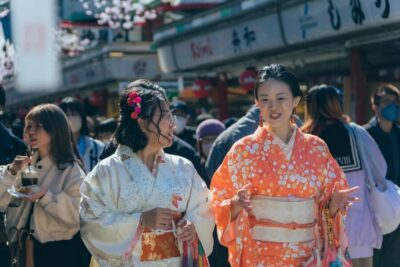
Kimono Dressing, Walking, and Photography Session
Read our review →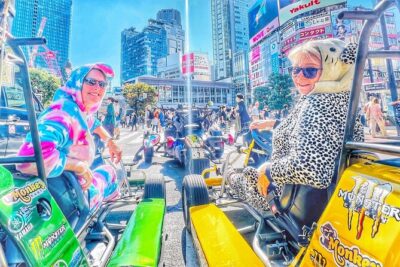
Best Go Kart Experience in Shibuya Crossing with Iconic Photos
Read our review →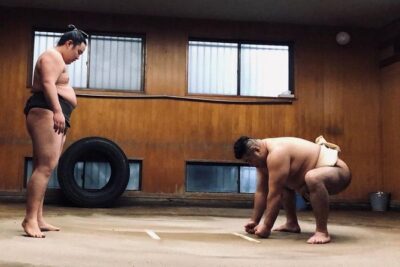
Tokyo Ryogoku Sumo Morning Practice + Photo Shoot with Wrestlers
Read our review →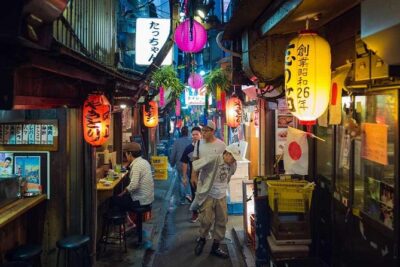
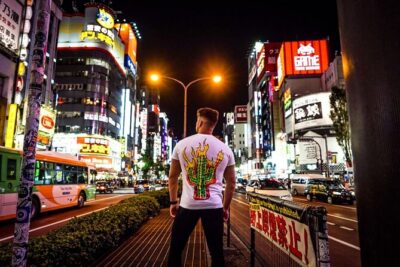
Tokyo by Night Photography Tour (Private Option Available)
Read our review →
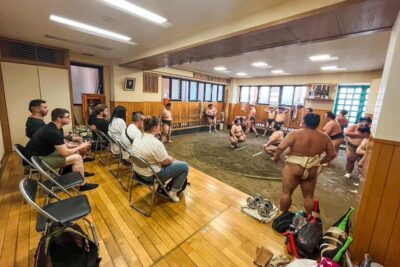
Sumo Practice Tour with Ring-Side Seat and Photoshoot
Read our review →
Tokyo Sumo Morning Practice Tour w/ Ring-Side Seat + Photo Shoot
Read our review →Lists this one turns up in