
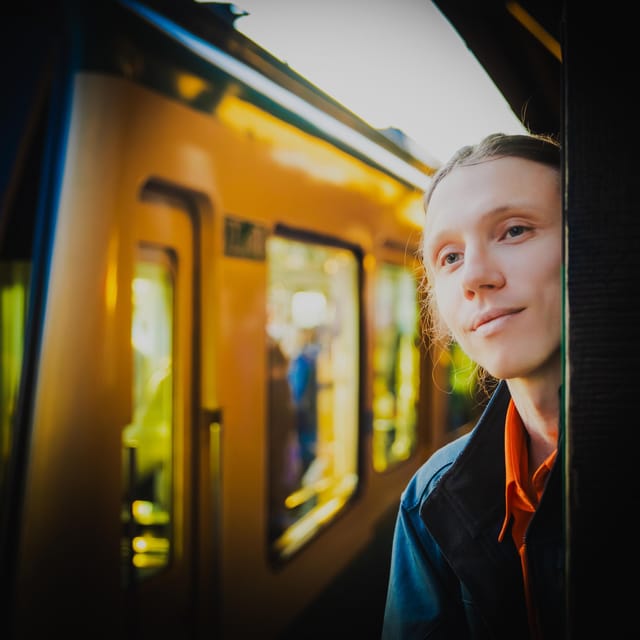
Review · JAPAN PHOTO TOURS & PHOTOSHOOTS
Kamakura Tour with Pro Photographer: Anime Train & Fuji view
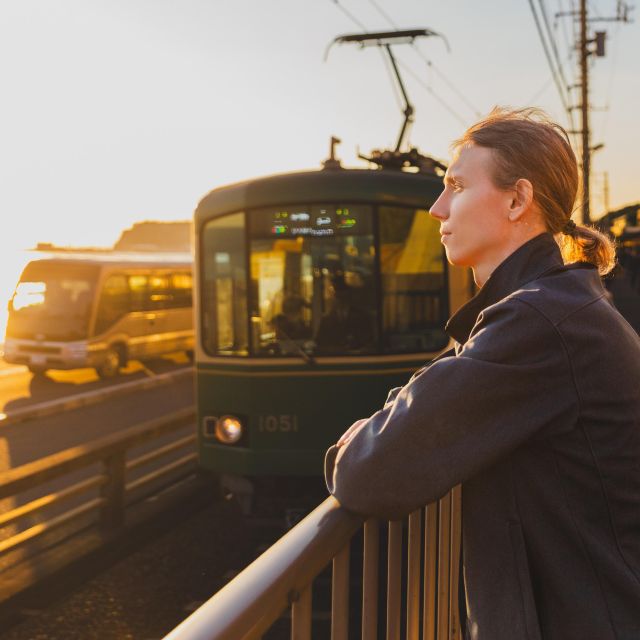
The star of this Kamakura tour is the real-life Enoden train crossing linked with Slam Dunk, where anime fans can pose beside the tracks as trains pass and the sea opens behind them. A local Photo Star photographer guides the session, shares Kamakura stories, and helps you find flattering poses instead of leaving you to guess where to stand.
I like the personal photography and the easy two-hour format. You get a planned route, a professional eye, and 30 edited images rather than a handful of rushed snapshots. The main drawback is weather: Mount Fuji is only visible when conditions cooperate, and the famous crossing can still feel busy despite the photographer’s effort to use quieter angles.
Key points to know before you book
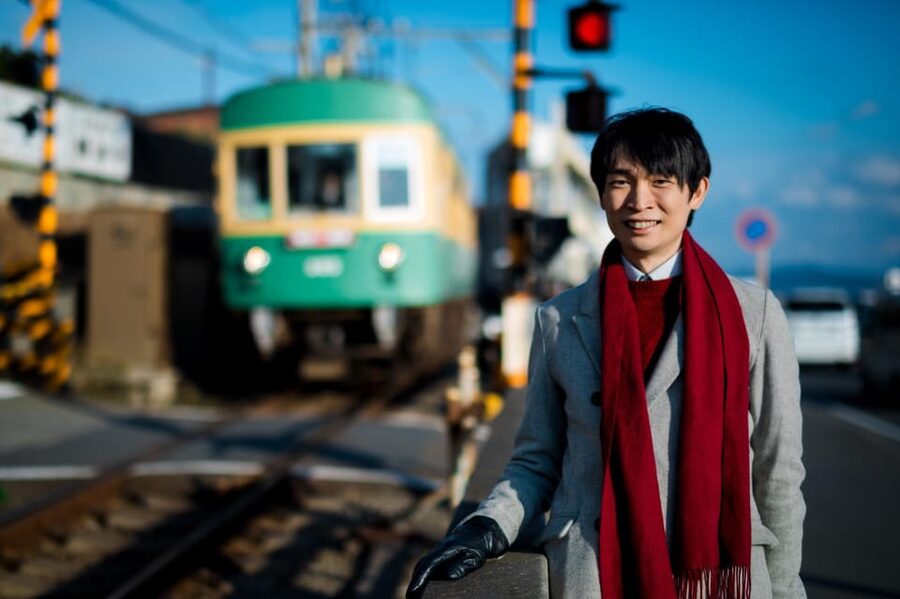
- Slam Dunk location: Visit Kamakurakōkō-Mae Station and the Enoshima Line crossing made famous by the anime.
- Local photographer: Photo Star guides speak English, Spanish, French, and Japanese. One highly praised photographer named in the feedback is Luis.
- Two-hour route: The tour includes a 15-minute guided visit, about 70 minutes of photography, and a short walk back to the station.
- Thirty edited photos: Your finished digital images arrive within 72 hours.
- Sea and Fuji views: Enoshima is part of the setting, while Mount Fuji appears only when weather allows.
- Group details: The price is $133 per group of up to 10, while the activity details also describe a small group limited to 8 participants, so confirm the exact party limit when booking.
Why this anime setting works so well for photographs
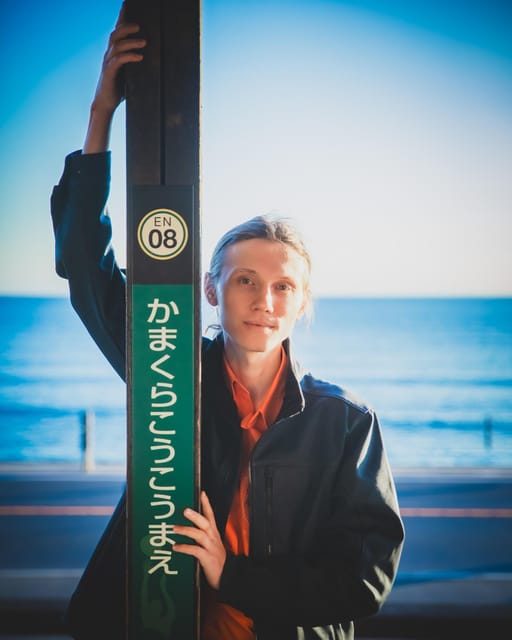
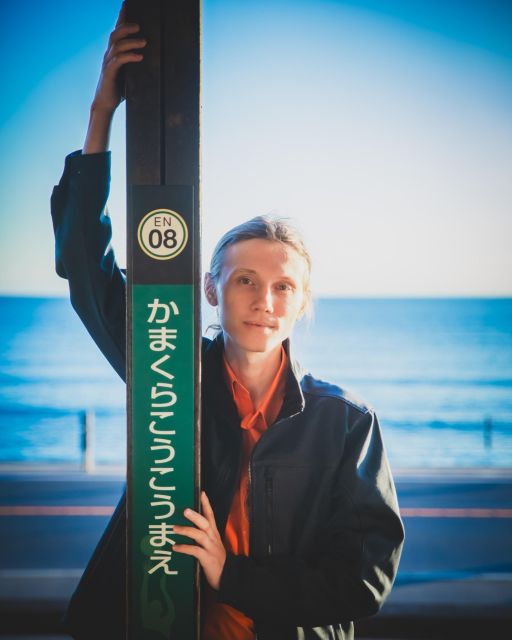
Kamakurakōkō-Mae Station is not a studio set. It is a working station on the Enoshima Line, with trains, overhead wires, pavement, ocean air, and a broad view toward Enoshima. That real setting gives the photographs more character than a simple posed portrait against a printed anime backdrop.
The connection to Slam Dunk is the main reason many people choose this tour. You get to see the place associated with Kamakura High School in the series, then connect the fictional world with the actual railway and coastline. You do not need to be a serious anime fan to enjoy the setting, but fans will have a clear reason to care about each stop.
The crossing is the visual centerpiece. Your photographer can help you work with the tracks, the passing Enoden train, and the sea without turning the session into a stiff line of identical poses. The supplied feedback gives special credit to Luis for finding flattering angles and listening closely to what people wanted from the shoot.
That personal attention matters. A good photo session is not only about owning a camera. It is also about knowing where you should stand, how to turn your shoulders, what to do with your hands, and when to stop posing for a candid frame. The photographer handles those small decisions while you enjoy the setting.
More Train Rides around Japan:
- Instagram Incense Quang Phu Cau Village Tour with Train Street
★ 5.0 · 323 reviews
Meeting outside Kamakurakōkō-Mae Station
The tour begins just outside the main exit of Kamurakōkō-Mae Station on the Enoshima Line. Your photographer wears branded Photo Star clothing, so the meeting should be fairly easy once you reach the right exit.
You must arrange and pay for your own transportation to and from the station. That is worth planning carefully because the tour does not include transfers from central Tokyo, Kamakura Station, or your hotel. Build in enough time to reach the meeting point before the session begins, particularly if you are connecting between railway lines.
The activity ends back at the same station. That makes the outing simple to attach to a wider Kamakura day, but the tour itself does not include additional sightseeing or transport around the region. You are paying for a focused photo session, not a full city tour.
The published information describes the activity as wheelchair accessible. It also says it is not suitable for people with heart problems. Since the route includes time outdoors and a walk between the station area and the beach, you should consider your own comfort before reserving.
The 15-minute guided look at Kamakurakōkō-Mae
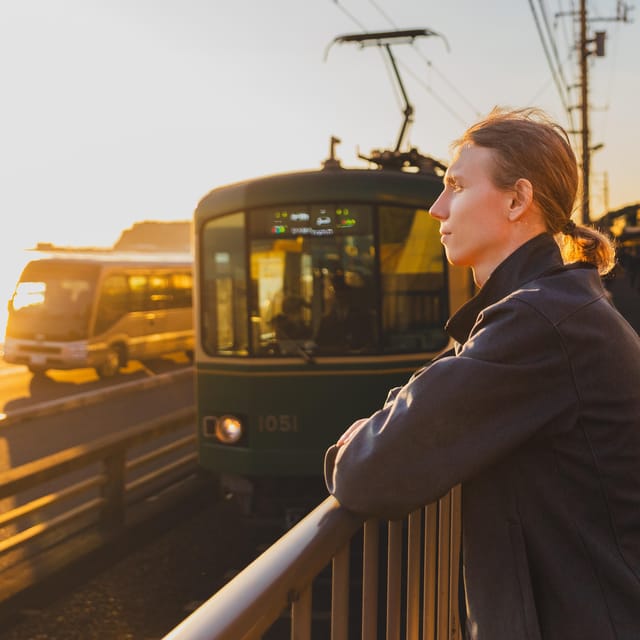
The first stop is a short guided visit around Kamakurakōkō-Mae. This gives you context before the cameras come out. Your photographer shares local stories, explains the anime connection, and points out the parts of the setting that work best in photographs.
Fifteen minutes is not long enough for a full historical tour of Kamakura, and that is not what this activity tries to be. You get a compact introduction that keeps the focus on the station, the train crossing, the coastline, and the photo session.
I like this arrangement because it avoids a common problem with themed tours: too much talk before the main event. You get enough background to understand why the location matters, then move quickly into the practical business of making good images.
If you are bringing children or friends who are not anime fans, the short introduction should help keep everyone engaged. The main attraction is visible and easy to understand, even if you know nothing about Slam Dunk. A train crossing beside the sea is a strong setting on its own.
Fifty minutes at the Enoden crossing
The longest dedicated session lasts about 50 minutes at the Kamakurakōkō-Mae crossing. This is where the anime link, railway setting, and professional photography come together.
Your photographer can place you at different angles and vary the balance between portrait and scenery. Some images may focus tightly on you, while others can include the tracks, train, ocean, or station area. The stated plan includes both natural candid moments and more styled poses, so you should receive a useful mix instead of 30 nearly identical photographs.
The photographer also aims to use less crowded spots. That does not mean the crossing is private. It remains a public railway area, and the passing trains and popular location can bring other people into the scene. The benefit of a local guide is that you do not have to spend your limited time hunting for a workable position.
Safety and common sense matter here. Stay where your photographer directs you and do not step into restricted areas or interfere with railway operations. The goal is to photograph the crossing, not recreate an anime scene at the expense of your safety.
The best result may come from allowing the photographer to direct you. If you already know the style you want, explain it early. The feedback about Luis is useful in this regard: he was praised for paying attention to personal wishes as well as finding good angles. That suggests this is a suitable choice for people who want some control but still appreciate expert direction.
More photo tours and shoots in Japan:
- Tokyo: Kimono Dressing, Walking, and Photography Session
★ 4.9 · 427 reviews - Osaka: Sumo Stage Show with Bento or Snack + Fight & Photo
★ 4.3 · 364 reviews - Best Go Kart Experience in Shibuya Crossing with Iconic Photos
★ 5.0 · 348 reviews - Tokyo Ryogoku Sumo Morning Practice + Photo Shoot with Wrestlers
★ 4.5 · 277 reviews
Twenty minutes by the beach
After the station and crossing, the route shifts toward the beach for another photo stop of about 20 minutes. This changes the mood. Instead of concentrating on the railway and anime reference, you get open space, the sea, Enoshima, and possibly Mount Fuji.
Enoshima provides a clear sense of place. It helps the photographs say Kamakura rather than simply railway station. If the light and visibility are good, Mount Fuji adds another strong layer in the distance. The tour makes no promise of a Fuji view, so you should treat it as a bonus rather than the main reason to book.
Weather is the key variable. Clouds, haze, rain, or poor visibility can hide Fuji even when you are standing in the right place. The beach stop should still provide sea and Enoshima scenery, but the final photographs will naturally depend on the conditions on your day.
Twenty minutes is enough for a focused set of portraits, though not a long beach session. You may get a few different compositions and candid frames, but this is not a slow coastal walk. If you want broad sightseeing time, plan to continue exploring after the tour ends.
The five-minute walk back
The route includes a short walk of about five minutes before returning to Kamurakōkō-Mae Station. It is a small part of the tour, but it helps explain the overall pace: most of your time is spent near the key photo locations, not on long transfers.
At the end, you return to the original meeting point. That makes it easy to collect your belongings, continue along the Enoden Line, or arrange your next activity. Your own transport remains your responsibility, so have your onward plan ready rather than expecting a group transfer.
What you actually receive for $133
The price is $133 per group of up to 10 people. That can be strong value if you are traveling with family or friends and want a shared set of professional images. Split among several people, the cost compares differently from booking individual portrait sessions.
The activity details also describe a small group limited to 8 participants. Because the published group pricing says up to 10, check the exact party limit for your date and booking. Either way, the format is designed to be smaller and more personal than a large sightseeing group.
The package includes a full two-hour session, a local photographer, posing guidance, multiple compositions, candid and styled images, cultural information, and 30 professionally edited photographs. Digital delivery is promised within 72 hours, which is useful if you want to share the pictures during the rest of your Japan trip.
Thirty edited images is a practical number. You get enough variety for social media, a travel album, or a small printed collection without having to sort through hundreds of unedited files. The value depends on your priorities. If you mainly want historical sightseeing, the price may feel high for a short route. If you want polished portraits at a location that matters to you, the cost is easier to justify.
Who will enjoy this photo tour most
This tour suits Slam Dunk fans first. You get a direct connection to a recognizable anime setting, and the photographer can help you create images that feel tied to the story rather than merely taking a picture of the station sign.
It also works well for couples, families, friends, solo visitors, and small groups who want better photographs than phone snapshots. The posing help is especially useful if you feel awkward in front of a camera. You do not need to arrive with modeling experience.
I would also consider it for a special trip milestone. The combination of station, train, sea, Enoshima, and possible Fuji scenery gives the final collection a strong sense of place. The photographs can show not only who you were with, but where you were.
It is less suitable if you want a long historical tour of Kamakura, a private railway charter, or guaranteed Mount Fuji views. It is also not the right choice for anyone with heart problems, according to the activity restrictions.
Languages, flexibility, and practical booking points
Live guidance is available in English, Spanish, French, and Japanese. That makes the posing instructions and local stories easier to follow for a wide range of visitors. If you have a particular request for language or photography style, make it clear when arranging the tour.
Free cancellation is available up to 24 hours before the start for a full refund. You can also reserve now and pay later, which helps if your Japan schedule is still shifting. These policies are useful here because weather affects the Fuji part of the outing, even though the tour itself can still proceed without that view.
The tour lasts two hours, with start times shown according to availability. Choose a time that gives you comfortable transport connections and allows you to reach the station early. The meeting point is specific, but the activity does not include your journey there.
Is 30 edited photos enough?
For most people, yes. The value is not only the number of files but the range of scenes covered during the session. You should receive images from the anime-linked crossing, the station area, and the beach, with a mix of posed and candid moments.
The photographer’s guidance is part of the product. You are not simply paying for someone to press a shutter button. You are paying for help with positioning, angles, expressions, and timing, plus professional editing afterward.
The supplied feedback repeatedly highlights two qualities: attention to personal wishes and the ability to find a flattering angle. Those are exactly the details that can separate a pleasant photo walk from a useful portrait session. If you are nervous about posing, tell the photographer at the start and let the direction do its work.
Should you book the Kamakura Slam Dunk photo tour?
Book it if you want a focused anime-themed outing with professional portraits, especially if you are sharing the $133 group price with friends or family. The station crossing is specific, memorable, and easy to pair with the sea and Enoshima views.
I would book with realistic expectations about the weather and public setting. Fuji may not appear, and the crossing will not be yours alone. Still, a local photographer, a two-hour route, 30 edited images, and multilingual guidance make this a well-targeted choice for people who value photographs as much as sightseeing.
FAQ
Where does the Kamakura photo tour start?
It starts just outside the main exit of Kamurakōkō-Mae Station on the Enoshima Line. The Photo Star photographer wears branded Photo Star clothing.
Where does the tour end?
The tour ends back at Kamurakōkō-Mae Station, the same place where it begins.
How long does the activity last?
The activity lasts two hours. Start times depend on availability.
Is Mount Fuji guaranteed to be visible?
No. Mount Fuji can be seen from the beach if weather conditions allow. Enoshima and sea views are also part of the setting.
How many photographs are included?
You receive 30 professionally edited digital photos.
When will the photos arrive?
The edited photos are delivered digitally within 72 hours after the tour.
Which languages are available?
The live guide service is available in English, Spanish, French, and Japanese.
How much does the tour cost?
The listed price is $133 per group of up to 10 people. The activity is also described as a small group limited to 8 participants, so confirm the applicable group limit when booking.
Can I cancel the tour for a refund?
Yes. You can cancel up to 24 hours in advance for a full refund. The activity also allows you to reserve now and pay later.
Just added around Japan
- Private Hakone Kimono costume Photo Tour with Hotel Pick-up★ 5.0 · 4 reviews
- Luxury Kimono Photoshoot at Ginza Tokyo★ 5.0 · 7 reviews
- Photoshoot in Shirakawago/Takayama by professional photographer★ 5.0 · 5 reviews
- 1 Hour Private Photoshoot in Hakata★ 5.0 · 5 reviews
- Fuji Photo Tour★ 5.0 · 6 reviews
- Mt. Fuji 2-Hour Photo Shoot with a Local Photographer-Kawaguchiko★ 5.0 · 6 reviews
- Private Mt.Fuji Kimono costume Photo Tour with Hotel Pick-up★ 5.0 · 5 reviews
- Stroll & Snap:Your Private Portrait Session★ 5.0 · 3 reviews
Japan Photo Tours & Photoshoots, side by side.
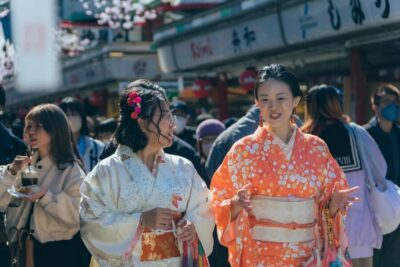
Kimono Dressing, Walking, and Photography Session
Read our review →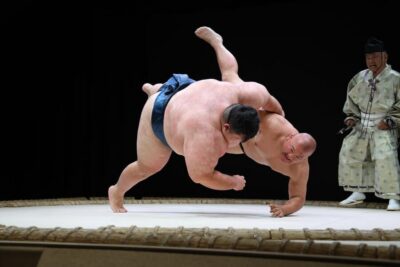
Sumo Stage Show with Bento or Snack + Fight & Photo
Read our review →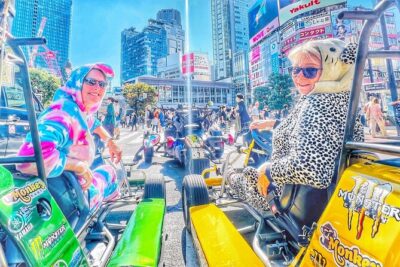
Best Go Kart Experience in Shibuya Crossing with Iconic Photos
Read our review →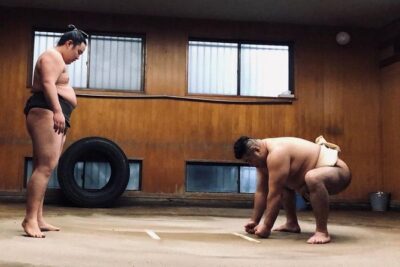
Tokyo Ryogoku Sumo Morning Practice + Photo Shoot with Wrestlers
Read our review →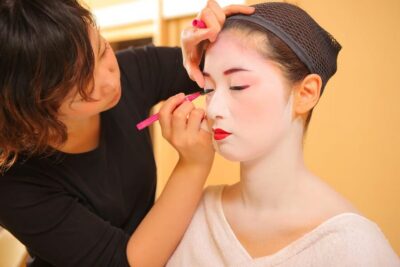
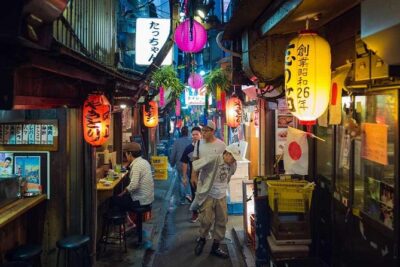
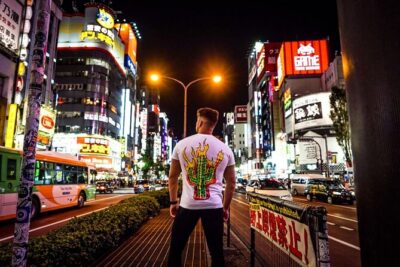
Tokyo by Night Photography Tour (Private Option Available)
Read our review →Lists this one turns up in