
Review · PHOTOGRAPHY TOURS
Fuji Photo Tour
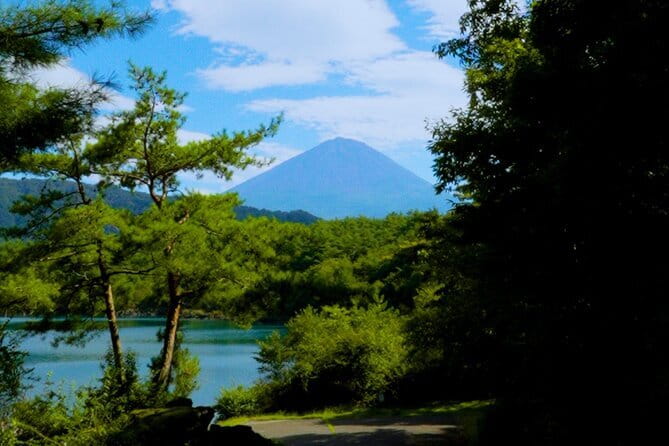
Mount Fuji can hide behind clouds all day, then appear for one perfect minute. This private tour gives you several chances to catch that moment, with stops at lakes, a pagoda, flower gardens, spring ponds, a waterfall, and forest paths. Ryo and Eriko also take photos and video for you, so you can enjoy the view without always standing behind your camera.
I like the wide range of viewpoints and the convenience of private transportation. I also like that the tour is built around photography rather than a rushed checklist, with room for seasonal color, reflections, and different angles of Fuji. The main drawback is weather: the tour runs only in good conditions, and the guides’ English is limited to simple phrases supported by translation tools.
Key points to know before booking
- Private group of up to eight: You ride with only your own group, not a large busload of strangers.
- Eight Fuji-area photo stops: The route includes Lake Kawaguchiko, Chureito Pagoda, Oshino Hakkai, Haha no Shirataki Falls, Oishi Park, Aokigahara Forest, Lake Sai, and Lake Shoji.
- Photos and video included: Ryo and Eriko take images during the day and provide the photo and video data.
- About five hours: The schedule is active, with most stops lasting 20 to 30 minutes and Lake Kawaguchiko receiving about two hours.
- Weather matters: Poor weather can cancel the outing, with a date change or full refund offered.
- Price works best for a group: The $423.49 rate covers up to eight people, making the cost more attractive when shared.
Why this Fuji photo tour works
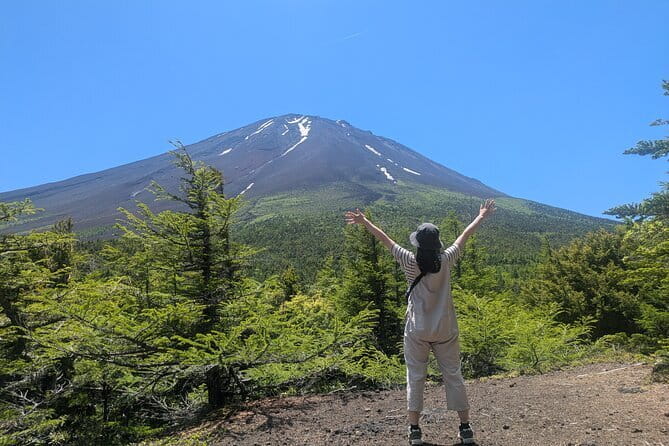
The strength of this experience is variety. Mount Fuji is not just a single viewpoint, and conditions can change quickly around the mountain. A clear view at one lake may be hidden from another, while a cloud opening can turn an ordinary stop into the best photograph of the day.
You also get a useful mix of famous locations and quieter places. Chureito Pagoda provides the classic Fuji-and-pagoda composition, while Lake Sai and Lake Shoji offer a calmer setting. Oshino Hakkai adds clear spring water and traditional scenery. Aokigahara brings lava-formed woodland instead of open views.
That range matters because the tour is not dependent on one postcard scene. If Fuji disappears behind cloud, you still have waterfalls, ponds, flowers, forest textures, and lake reflections to photograph. One especially useful detail is that the guides adjust the day around conditions and your interests, according to the experience description and guest feedback. You can ask to include places you most want to see while still following local recommendations.
More Photography Tours in Japan
- Tokyo Cyberpunk Street Photo Tour
★ 5.0 · 165 reviews - Tokyo by Night Photography Tour (Private Option Available)
★ 5.0 · 151 reviews - Tokyo Shinjuku Night Photo Tour with Pro Gota
★ 5.0 · 142 reviews
Starting at Forest Mall Fujikawaguchiko
The meeting point is Forest Mall Fujikawaguchiko at 8017-1 Kodachi, Fujikawaguchiko, in Yamanashi Prefecture. The outing returns to this same point at the end.
Pickup is offered, but the stated starting point remains important. Confirm the exact pickup arrangement when booking so you know where the vehicle will meet you. The air-conditioned private vehicle is a real advantage here. The stops are spread around the Fuji Five Lakes area, and moving by private car saves you from piecing together local transport between short photo sessions.
The tour is listed for weekdays from 8:30 AM to 5:00 PM during the operating period shown for the experience. The total duration is about five hours. Since the advertised stop times add up to more than four hours before driving time, expect a compact schedule with regular movement between locations rather than long visits at every stop.
Lake Kawaguchiko gives you the main stage
Lake Kawaguchiko receives the longest visit, about two hours, and that makes sense. It is one of the best places to begin because it offers open views, changing reflections, and room to work on several compositions.
Your guide can help you look beyond the first obvious Fuji photograph. Try wide views that include the lake, tighter shots of the mountain, and seasonal details in the foreground. The shore can look very different depending on cloud, light, flowers, or autumn color.
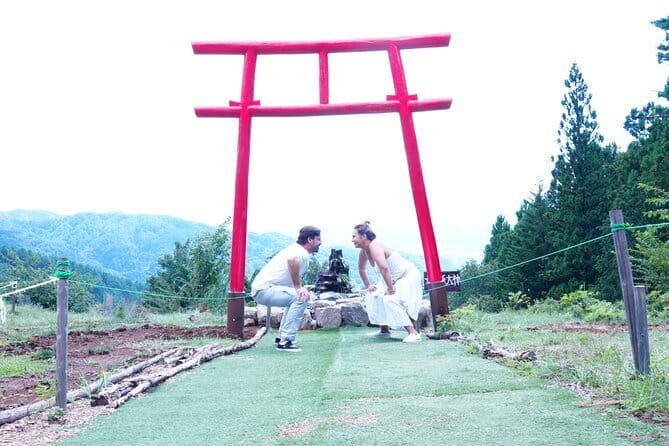
This is also the part of the tour where you have the most time to settle into the photography style. Ryo is praised for his photo style and video work, and the guides take pictures for you as the day unfolds. That is especially helpful for couples, families, and solo photographers who want a few images with Fuji rather than only pictures taken from behind the camera.
The limitation is simple: two hours can pass quickly if you want a relaxed walk and many photos. If your priority is quiet exploration rather than a broad route, you may wish for more time here. The tour’s value comes from seeing many different places, not from spending half a day at one lakeside.
Chureito Pagoda delivers the classic Fuji view
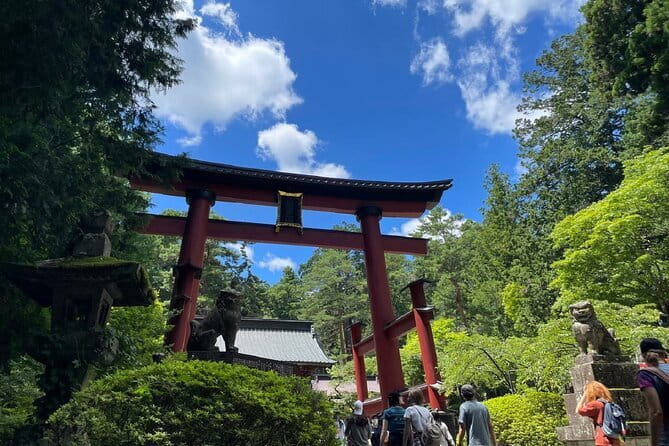
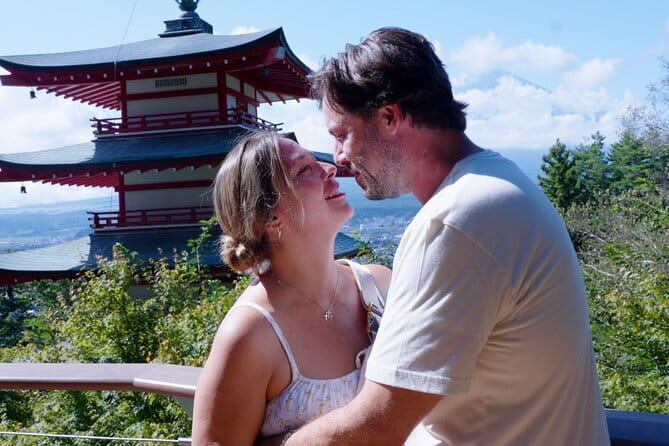
Chureito Pagoda is the most instantly recognizable stop on the route. From the viewpoint, you can frame the red pagoda with Mount Fuji behind it, a scene that has become one of Japan’s signature images.
Reaching the viewpoint requires stairs and a gentle uphill walk. The tour information describes the climb as manageable, but it is still worth considering if anyone in your group has difficulty with steps. You receive about 30 minutes at this stop, so allow time for the climb before setting up your camera.
The short visit works well for a focused photograph. It is less suited to lingering, browsing, or taking an extended break. Bring comfortable shoes, and keep your equipment easy to carry. A tripod or large camera bag may make the climb less pleasant, though the tour does not specify equipment restrictions.
Same backdrop, a different kind of shoot:
- Tokyo: Kimono Dressing, Walking, and Photography Session
★ 4.9 · 427 reviews - Osaka: Sumo Stage Show with Bento or Snack + Fight & Photo
★ 4.3 · 364 reviews - Best Go Kart Experience in Shibuya Crossing with Iconic Photos
★ 5.0 · 348 reviews - Tokyo Ryogoku Sumo Morning Practice + Photo Shoot with Wrestlers
★ 4.5 · 277 reviews
Oshino Hakkai adds water, ponds, and old-style scenery
Oshino Hakkai shifts the mood from open lake views to clear spring water and small ponds. With Fuji in the background, it gives you a chance to photograph details at a closer scale: water, stones, plants, buildings, and reflections.
You have about 30 minutes here. That is enough for a purposeful photo stop, but not a slow exploration. I would use this time to look for layered compositions rather than trying to photograph every pond.
The spring setting also helps on a cloudy day. If the mountain is covered, the water and traditional surroundings still give you something worthwhile to work with. This is one reason the multi-stop format makes sense for a photo tour.
Haha no Shirataki Falls offers a quieter nature stop
Haha no Shirataki, or Mother’s White Waterfall, is described as a peaceful waterfall in Fujikawaguchiko. Water falling through a natural setting gives you a different subject from Fuji’s broad slopes and the area’s famous lake views.
The stop lasts about 30 minutes. That should give you time for several angles, including a wider view and closer details of the falling water. The information provided does not specify a difficult walk, so you should still follow the guide’s directions and wear practical shoes.
This stop is valuable for balance. A day built only around mountain viewpoints can feel repetitive. A waterfall breaks up the route and gives you another setting for your included photos and video.
Oishi Park brings seasonal color into the frame
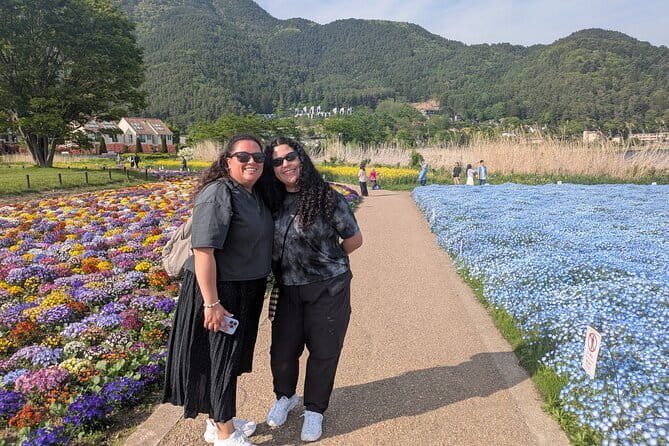
Oishi Park is known for views toward Mount Fuji and flowers that change through the year. Lavender season is a highlight, when the foreground can turn purple. Other seasonal flowers add color even outside lavender season.
The visit is short, about 20 minutes, so treat it as a concentrated photo session. You can work with Fuji in the distance and flowers in the foreground, or use the park’s color as a frame around the mountain.
The park’s appeal depends heavily on the season and weather. Do not book specifically for lavender unless your dates match that season, since no exact bloom dates are provided. Even so, this is a useful stop for anyone who wants more than the usual blue-water-and-mountain image.
Aokigahara Forest changes the mood completely
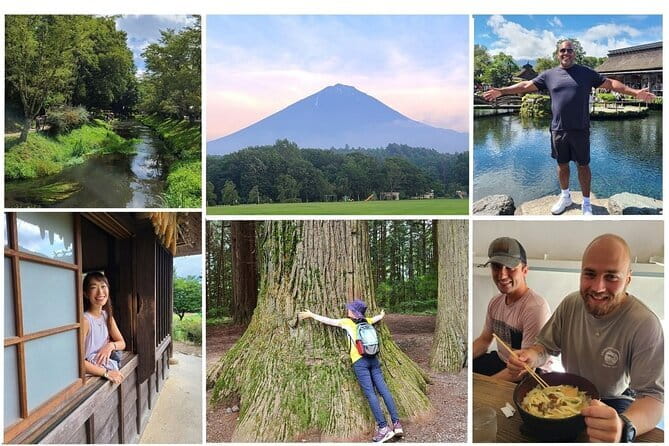
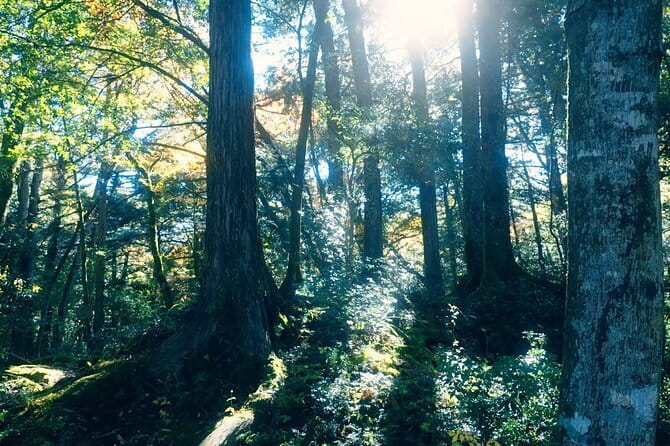
Aokigahara, also called Fuji Jukai, spreads across lava formations at the foot of Mount Fuji. The forest offers a darker, more textured setting, with trees, rock, and filtered light replacing open sky.
You receive about 20 minutes here. That is enough for a short walk and a few carefully chosen images, but not a long forest outing. The tour description emphasizes the area’s unusual lava formations and quiet atmosphere, so listen to the guide about where to walk.
This stop may be less appealing if your only goal is a clear Fuji photograph. It is valuable for the opposite reason: it shows the natural setting around the mountain and gives your photo collection a change of pace.
Lake Sai and Lake Shoji provide quieter lake views
Lake Sai, one of the Fuji Five Lakes, is presented as a less crowded photo setting. Its appeal is calm water, seasonal scenery, and a more peaceful feel than the busiest viewpoints.
You have about 30 minutes here. That is enough to compare the view with Lake Kawaguchiko and look for a different relationship between water, trees, and mountain. Fuji may not appear clearly, but the lake remains worth photographing for its own setting.
Lake Shoji receives about 20 minutes. It is another quieter lake at the foot of Mount Fuji, slightly removed from the area’s more crowded photo stops. Short visits at both lakes help you see how the mountain changes from one shoreline to another.
The tradeoff is time. Seeing both lakes adds variety, but neither visit is long. If you prefer slow walks, extended composition work, or sitting by the water, this schedule may feel brisk.
What the included photos and video mean for you
The tour includes photo and video data, which changes the experience for solo visitors and couples. You do not need to rely only on selfies or ask strangers to take pictures. The guides can create images of you at the viewpoints while you enjoy the surroundings.
The strongest praise for the guide team centers on kindness, professionalism, smooth organization, and personal attention. Ryo is singled out by name, and Ryo and Eriko are described as taking great photos while groups enjoy the scenery. They also use simple English and Google Translate when needed.
You should keep your expectations practical. The information does not promise a set number of edited images, a delivery format, or a professional photography lesson. Think of the included files as a valuable record of your day, with the added benefit of local guidance and photo help.
Price, group size, and overall value
The price is $423.49 per group of up to eight people. That is not a low solo price, but it can be good value for a family or group of friends. Eight people sharing the cost would bring the base price to roughly $53 per person, before any separate personal expenses.
The price includes private transportation, an air-conditioned vehicle, photo and video data, and tickets for several attractions. Lunch is not included, so plan for food separately. The route’s many stops would be difficult to cover comfortably by public transport in only five hours, which adds practical value to the private vehicle.
The best comparison is not with a simple sightseeing bus. You are paying for a private route, a local guide team, photography help, and a chance to adjust the day to your group. The value is strongest if you care about getting photos of yourself and seeing several Fuji-area locations in one compact outing.
Who should book this experience
I would choose this tour for a group that wants a private day around Fuji without managing every train, bus, and walking connection. It suits couples, families, solo visitors, and small groups who want both scenic photos and pictures of themselves.
It is also a good fit for photographers who want many settings in a short time. You get lakes, a pagoda, flowers, ponds, forest, and a waterfall rather than one repeated viewpoint.
I would hesitate if you want a long hike, a formal photography workshop in fluent English, or a relaxed full-day pace. English communication relies on simple phrases and translation tools, and the schedule moves through eight stops. Anyone with limited mobility should also think carefully about the stairs at Chureito Pagoda. Stroller access is limited to specific areas, and infant facilities such as high chairs are not provided.
The experience operates only in good weather. If poor conditions cause cancellation, you can receive a different date or a full refund. You can also cancel for a full refund up to 24 hours before the start time, but changes or cancellations inside that window are not accepted.
Should you book the Fuji Photo Tour?
Book it if your main goal is to collect a varied set of Mount Fuji images while leaving the driving and route planning to a private guide. The included photos and video are a major advantage, especially for solo visitors and couples. The route also protects you from putting all your hopes on one viewpoint.
Before booking, check the weather forecast, confirm the pickup details, and decide how much walking your group can manage. If you accept the compact schedule and simple-English communication, this is a practical way to see a broad slice of the Fujikawaguchiko area in five hours.
FAQ
How long does the Fuji Photo Tour last?
The tour lasts approximately five hours.
How many people can join the private tour?
The price covers one private group of up to eight people.
Where does the tour start and finish?
It starts at Forest Mall Fujikawaguchiko, 8017-1 Kodachi, Fujikawaguchiko, Yamanashi, and returns to the same meeting point.
Is transportation included?
Yes. The experience includes private transportation in an air-conditioned vehicle.
Are photos and videos included?
Yes. Photo and video data are included in the experience.
Does the tour operate in bad weather?
No. The experience operates only in good weather. If poor weather causes cancellation, you will be offered another date or a full refund.
Is Chureito Pagoda accessible without climbing?
No. Reaching the scenic viewpoint requires stairs and a walk along a gentle slope. Stroller access is limited to specific areas, and infant facilities such as high chairs are not provided.
Just added around Japan
- Private Hakone Kimono costume Photo Tour with Hotel Pick-up★ 5.0 · 4 reviews
- Luxury Kimono Photoshoot at Ginza Tokyo★ 5.0 · 7 reviews
- Photoshoot in Shirakawago/Takayama by professional photographer★ 5.0 · 5 reviews
- 1 Hour Private Photoshoot in Hakata★ 5.0 · 5 reviews
- Mt. Fuji 2-Hour Photo Shoot with a Local Photographer-Kawaguchiko★ 5.0 · 6 reviews
- Private Mt.Fuji Kimono costume Photo Tour with Hotel Pick-up★ 5.0 · 5 reviews
- Stroll & Snap:Your Private Portrait Session★ 5.0 · 3 reviews
- Private Photo Tour and Snapshots in Tokyo★ 5.0 · 2 reviews
Photography Tours, side by side.


Rhodes: E-bike Highlights Sunset or Morning Photo Tour
Read our review →
Lists this one turns up in