Review · KIMONO & COSTUME PHOTOSHOOTS
Tokyo: Kimono Dressing, Walking, and Photography Session
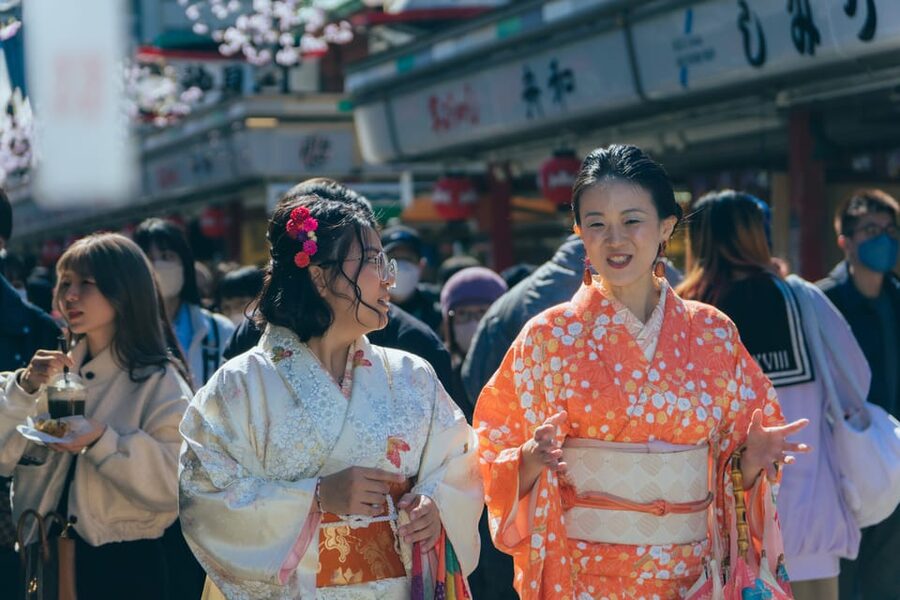
A real silk kimono, a quiet old Tokyo neighborhood, and a shrine visit make this more than a costume photo shoot. Sayoko helps you choose from about 50 kimonos, dresses you properly, then teaches you how to walk, sit, and behave in the outfit. The photos are taken with an iPhone 14 Pro, but the results depend more on her eye and direction than on expensive equipment.
I like the personal attention and the chance to see Yanaka at an easy pace instead of posing in a crowded tourist district. I also like the cultural details, especially learning how to pray at a shrine and how to handle the kimono without wrinkling or bunching it.
The main consideration is physical comfort. A kimono is snug, summer weather can be very hot, and the route may include four flights of stairs and a hill. Rain does not cancel the tour, so plan for changing conditions.
Key points at a glance
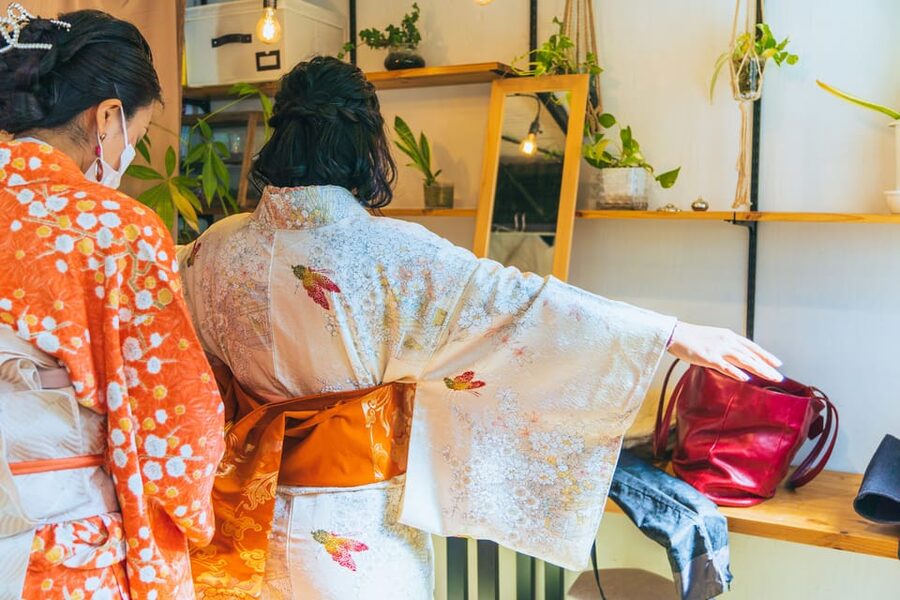
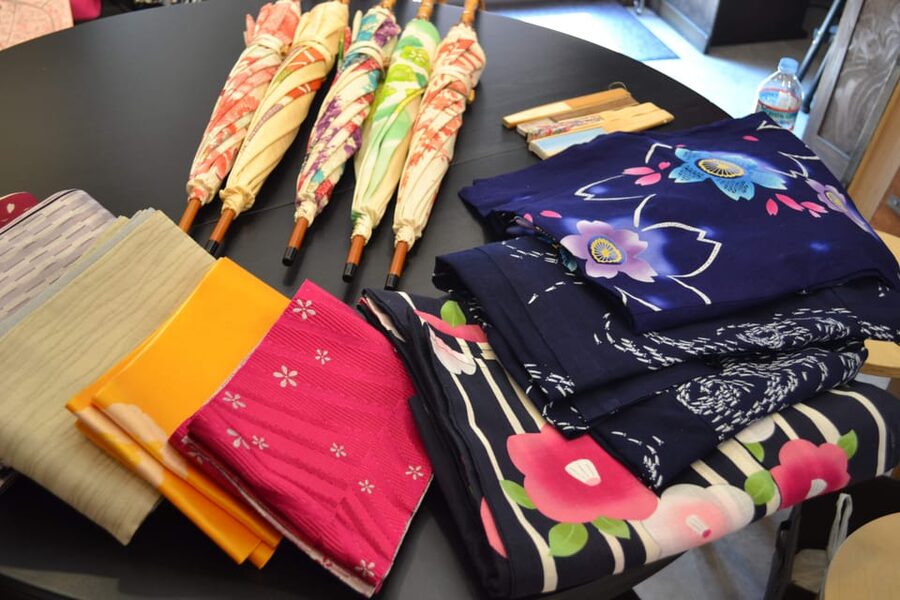
- About 50 real kimonos: Choose your outfit in advance from silk kimonos in winter or cotton yukata in summer.
- A quiet Yanaka setting: The walk begins near Sendagi Station and leads to local streets and a nearby shrine, away from Tokyo’s busiest photo spots.
- Practical kimono lessons: Sayoko shows you how to walk, sit, carry the fabric, and behave comfortably in traditional dress.
- Many photos included: The standard session uses an iPhone 14 Pro. Professional photography costs an extra JPY 13,000.
- Optional finishing touches: Hair, makeup, and a tea ceremony can be added for an additional fee.
- Rain or shine: A kimono upcycling umbrella is supplied, with a plastic umbrella available if it rains.
Why this feels more personal than a rental shop
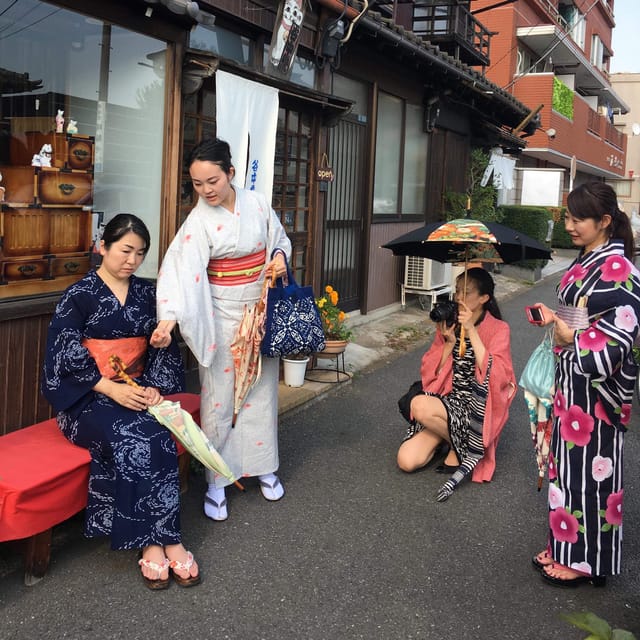
Many kimono activities in Tokyo follow the same pattern: pick an outfit, walk a short route, take a few pictures, and return the clothing. This experience adds a guide who stays with you, explains the clothing, and directs the photo session.
Sayoko is the host and photographer for the standard booking. Her role matters because wearing a kimono is not as simple as putting on a robe. The layers, sash, sleeves, and footwear change the way you move. She teaches you to walk with smaller steps, sit with care, and keep the fabric neat.
That practical coaching is especially useful if you have never worn a kimono. You do not need to guess how to hold your sleeves or how to pose. Sayoko gives clear suggestions while still leaving room for your own style.
The tone also appears to suit families, couples, solo visitors, and small groups. One person who booked alone found the session comfortable, while families used the time for shared photos. Everyone attending must be included in the booking, even if someone chooses not to wear a kimono. Children under two are the exception.
More Kimono and Costume Photoshoots in Japan
- Tokyo Authentic Kimono Rental in Asakusa with Photography Option
★ 5.0 · 46 reviews - Tokyo:Genuine Tea Ceremony, Kimono Dressing, and Photography
★ 5.0 · 33 reviews - :Tokyo,Shibuya/ Pro Photography in Kimono / English-Friendly
★ 5.0 · 26 reviews
Choosing a silk kimono before your visit
The experience uses authentic silk kimonos made in a traditional way, not thin rental costumes made only for tourists. In winter, you wear a kimono. In summer, the outfit changes to a yukata, a lighter cotton garment designed for warm weather.
You choose your outfit before the day of the activity. After booking, Sayoko contacts you by email or WhatsApp, normally within 12 hours, with help selecting from more than 50 options. Reply promptly, since your choice must be made by the day before the session.
This advance choice is useful for two reasons. First, you have time to think about colors and patterns instead of making a rushed decision after arriving. Second, the host can prepare the proper accessories and fit.
You receive all necessary kimono accessories as part of the price. The exact selection of accessories is not specified, so ask if you have a particular preference. You may also be able to discuss sizes and outfit details when Sayoko contacts you.
A real silk garment feels different from a basic rental costume. It may also require more care. Keep food and drinks away from the clothing, and follow instructions when walking or sitting. You are not simply wearing something for a picture. You are handling a traditional garment that needs respect.
Getting dressed near Sendagi Station
The meeting point is about a five-minute walk from Sendagi Station. The precise location is sent after booking, along with photographs to help you find it. Check email and WhatsApp, and look in your spam folder if the message does not arrive.
The dressing takes place in a traditional Japanese-style home. This setting adds a quiet, domestic feel that a large commercial rental studio cannot easily provide. Sayoko dresses you step by step and explains what she is doing, which helps you understand how the clothing is constructed.
Allow patience for this part. A kimono is not something you should rush into. The process is part of the activity, and it gives you time to adjust to the weight and fit before walking outside.
If you add professional hair and makeup, those services can change the feel of the session. Several people found that the hair arrangement added a strong finishing touch to the photos. The price is not provided, so confirm the current cost before booking.
The optional tea ceremony also fits naturally here or around the dressing portion. It is not included in the $67 base price, but it adds another traditional activity if you want more than photographs.
Walking through Yanaka in traditional dress
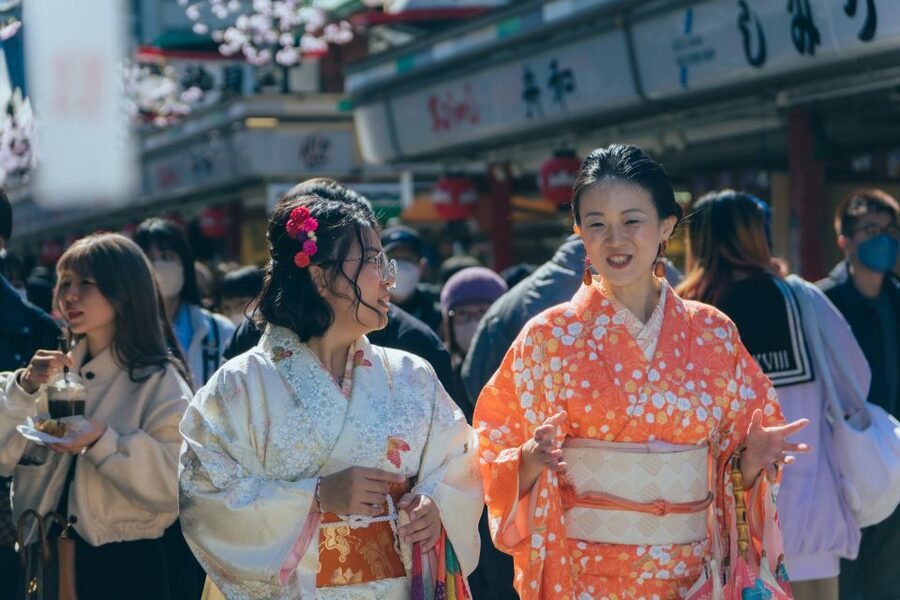
After dressing, you walk through the Yanaka area with Sayoko. Yanaka is known in this experience for its old-fashioned streets, local atmosphere, and quieter pace. The route is not presented as a long sightseeing tour, so think of it as a short cultural walk with photo stops rather than a full neighborhood exploration.
That is good news for anyone worried about spending hours in formal clothing. You get enough time to experience moving through Tokyo in a kimono without turning the day into an endurance test. Still, the exact duration is not given, so ask before booking if you need a firm schedule.
The walk includes lessons in posture and behavior. Sayoko can show you how to sit, how to walk, and how to manage the fabric. These small instructions make the activity more meaningful. They also help you look natural in photographs.
An AKIZAKURA kimono upcycling umbrella accompanies the walk. It is more than a rain tool. The umbrella reflects the provider’s interest in reusing kimono fabric and gives the photos a distinctive prop. If rain arrives, a plastic umbrella is available as a backup.
The route may include a hill, and one part of the dressing and tea ceremony location has four flights of stairs. If you have knee or leg problems, ask about the route before paying. Hot and humid weather can also make the clothing demanding, though Sayoko adjusts the pace to suit the group.
More Kimono and Costume Photoshoots in Tokyo
- Tokyo: Private Makeover Photography Studio in Luxury Kimono
★ 5.0 · 22 reviews - Asakusa Kimono/Yukata Rental & Photography_Tsutsuji
★ 5.0 · 12 reviews - Asakusa Kimono Photography Tour
★ 5.0 · 8 reviews - Guided Tour of Walking and Photography in Asakusa in kimono
★ 4.3 · 5 reviews
Shrine customs and the photo stops
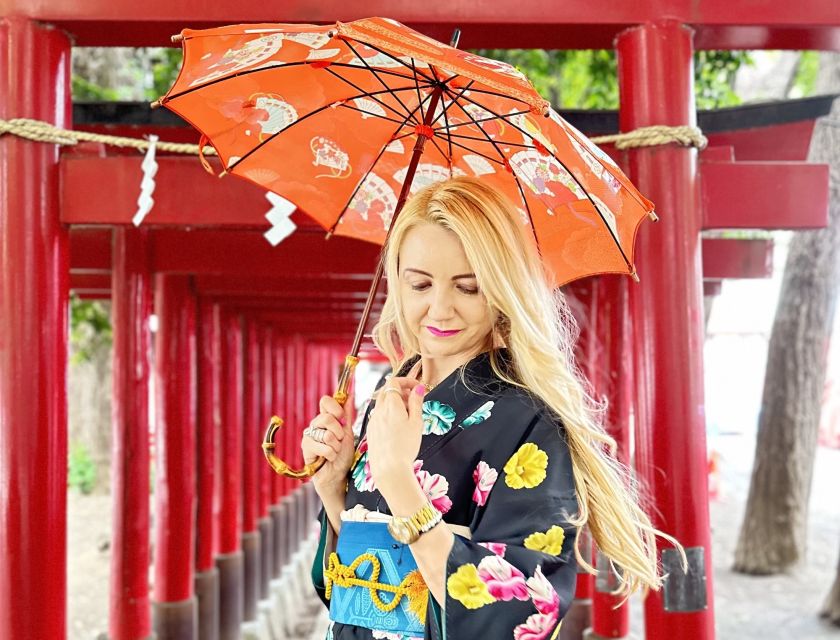
The walk leads to a shrine or shrine park in the local area. The exact shrine is not named in the activity details, but the setting is used for portraits and a short lesson in Japanese customs.
Sayoko can explain how to pray at the shrine, including the basic sequence of the visit. This is one of the strongest parts of the experience because it gives the photo session a cultural purpose. You are not simply standing in front of a pretty gate. You learn how the place is used and how to show respect.
The shrine setting also solves a common problem with Tokyo photo tours: crowded backgrounds. The Yanaka location is generally calmer than major sightseeing areas such as Asakusa. You may find more space for portraits and a slower rhythm around the shrine grounds.
Do remember that a shrine is a place of worship, not only a photo backdrop. Follow Sayoko’s instructions, keep your behavior considerate, and allow other people to use the grounds.
At each stop, Sayoko suggests poses and checks the images. This is helpful if you dislike being photographed or never know what to do with your hands. You can also offer your own ideas. The session is directed, but it is not described as rigid.
The number of images can be generous. Groups have received well over 190 or 230 photos, though the exact number is not guaranteed. Since the standard equipment is an iPhone 14 Pro, the final quality depends on light, weather, composition, and Sayoko’s skill.
What the included photography is really worth
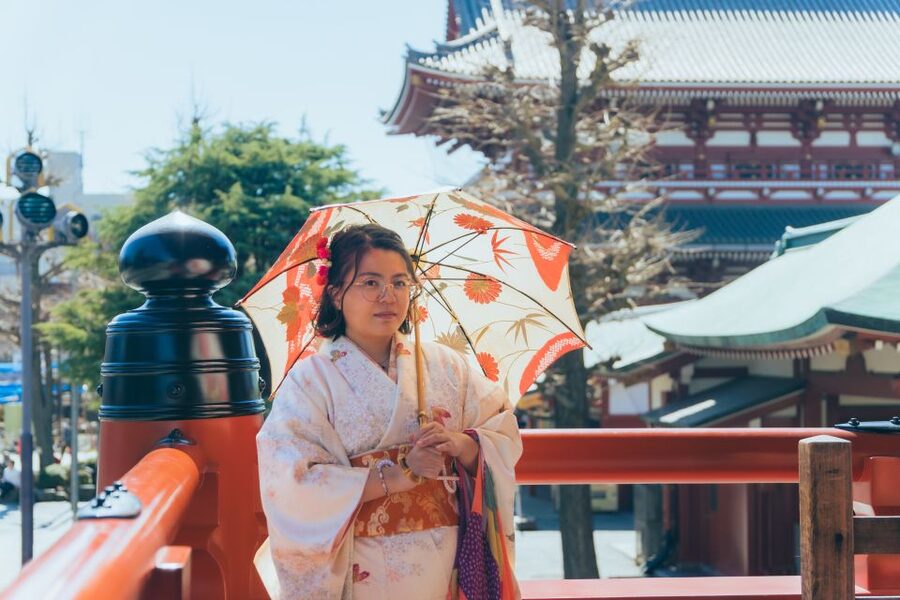
At $67 per person, the base price includes the kimono or yukata, accessories, umbrella, walk, instruction, and iPhone photography. That is a fair package if you value both the clothing experience and the personal guide.
The photo service is not a quick snapshot at the end. Sayoko takes pictures at several spots and directs poses along the way. You may receive a large set of images, giving you plenty of choice for sharing or keeping as a travel record.
There is also a professional photographer option for an additional JPY 13,000. I would consider this if the photos are the main reason for booking, especially for a milestone such as an anniversary or family portrait. The standard iPhone session may be enough for most people who mainly want personal memories and a good selection of pictures.
Hair, makeup, and tea are separate extras. These additions can make the event feel more polished and ceremonial, but they also raise the total price. Decide first what you want the experience to be: an affordable cultural activity with photos, or a dressed-up portrait package.
The strongest value comes from the combination of instruction and location. You could rent a kimono elsewhere, but you would not necessarily receive guidance on walking, shrine etiquette, and posing from the same person.
Weather, comfort, and practical limits
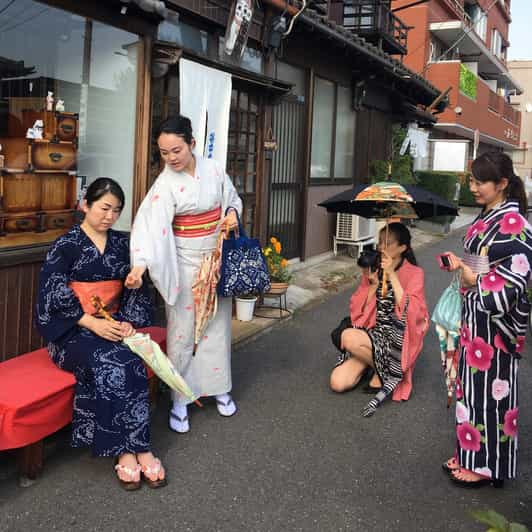
The tour operates rain or shine. That policy is useful for planning, but it means you should not book the activity expecting perfect weather.
Rain does not end the photo session. Sayoko can use the supplied umbrellas and find ways to make the pictures work in wet conditions. Several sessions continued successfully in the rain, but the light and background will naturally differ from a sunny-day shoot.
Summer requires extra thought. A yukata is lighter than a winter kimono, but Tokyo heat and humidity can still be tiring. Wear comfortable undergarments and arrive ready for a walking activity. The schedule can be taken at your pace, but the clothing itself will remain formal.
The stairs and hill deserve attention. They may be manageable for most people, yet someone with a knee or leg injury should ask for details before booking. The activity returns to the original meeting point, so you do not need to arrange separate transport at the end.
The meeting point is close to Sendagi Station, and the location is sent with photographs. That is helpful in a quiet residential area where a street address alone may not be enough.
Who will get the most from this experience
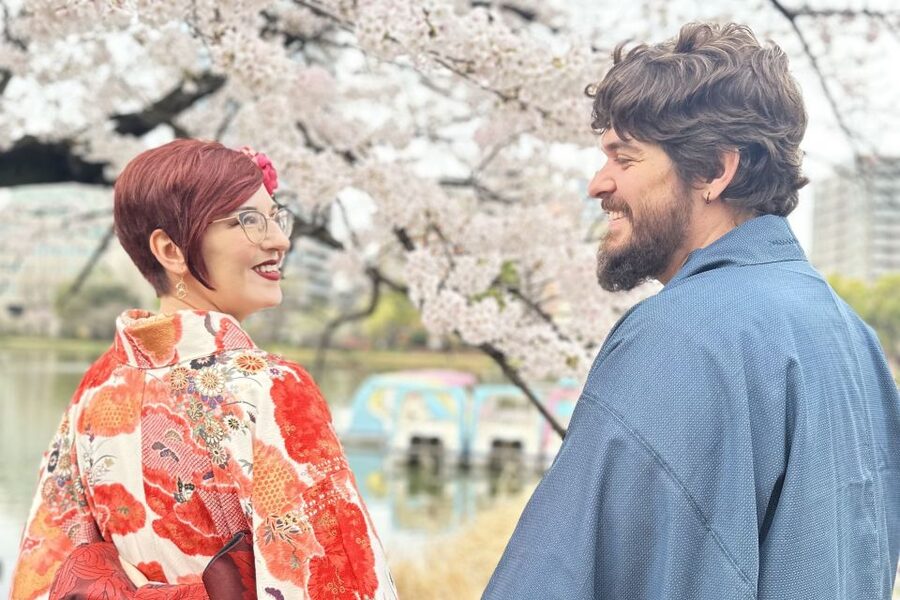
I would recommend this to you if you want a cultural activity with a personal host rather than a large group lesson. It works especially well for couples, parent-and-child trips, small family groups, and solo visitors who want guided portraits.
It is also a good choice if you have already seen Tokyo’s major districts and want a slower afternoon in an older neighborhood. The shrine, local streets, and traditional home provide a change from neon streets and department stores.
Families should note that every person over two years old is charged, even if they do not wear a kimono. Book the full number in your party so there is no confusion on the day.
This may not suit you if you want a fast, casual outfit rental or a completely private professional studio shoot. The walk, etiquette lesson, and shrine visit are central to the experience. You should also be comfortable with stairs, a hill, and formal clothing.
Should you book the Yanaka kimono session?
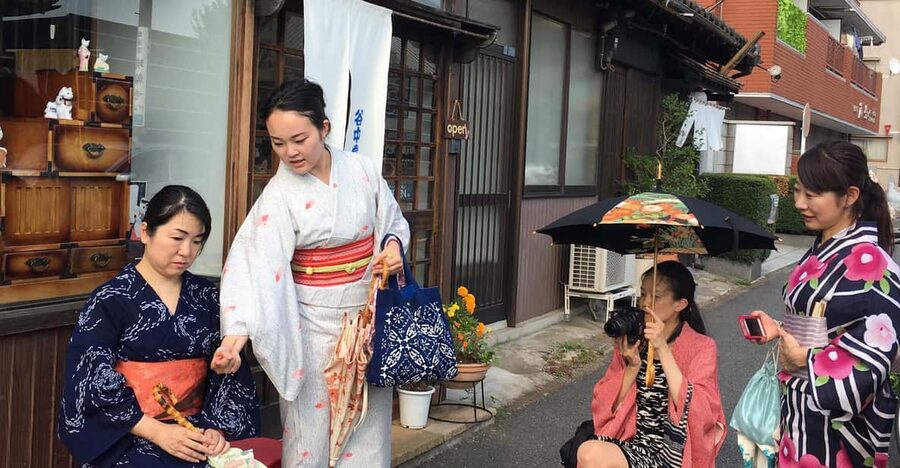
Book it if you want more than a costume and a few quick pictures. The best parts are Sayoko’s patient instruction, the choice of quality silk garments, the calmer Yanaka setting, and the chance to learn basic shrine customs while dressed appropriately.
The $67 price offers good value for a guided cultural activity with clothing and photography included. Add the professional photographer, hair and makeup, or tea ceremony only if those details matter to your plans and budget.
Before booking, check your schedule, reply quickly when Sayoko sends the kimono choices, and consider the heat, stairs, and rain policy. If you want a personal introduction to kimono culture with photographs you can keep, this is a strong choice. If you only want a short rental and independent sightseeing, choose a simpler service.
FAQ
Where does the activity meet?
The meeting point is about a five-minute walk from Sendagi Station. After booking, Sayoko sends the precise location and photographs by email or WhatsApp.
What kind of kimono can I wear?
You can choose from more than 50 authentic kimonos or yukata. Winter sessions use silk kimonos, while summer sessions use cotton yukata.
When do I choose my kimono?
You must choose your kimono by the day before the tour. Sayoko contacts you after booking to help with the selection.
Is photography included?
Yes. The standard activity includes photography with an iPhone 14 Pro. A professional photographer can be arranged for an additional JPY 13,000.
Are hair and makeup included?
No. Professional hair and makeup are optional extras and cost more than the base price.
Is a tea ceremony included?
No. A tea ceremony can be added for an additional fee.
Does the activity run in the rain?
Yes. The tour operates rain or shine. A kimono upcycling umbrella is included, and a plastic umbrella is available if needed.
Do all people in my group need a booking?
Yes. Everyone attending must be included in the booking, even if they will not wear a kimono. Children under two years old are exempt.
Where does the activity finish?
The activity ends back at the original meeting point.
Just added around Tokyo
- Tokyo: Customized Private Historical Guided Photoshoot Tour★ 5.0 · 25 reviews
- Tokyo: Private Photoshoot at Shibuya Crossing★ 4.7 · 7 reviews
- Tokyo Private photo tour with Nightstreet Neon photographer★ 5.0 · 17 reviews
- Tokyo: Private Makeover Photography Studio in Luxury Kimono★ 5.0 · 22 reviews
- Tokyo: Private Instagramable Customised Tokyo City Day Tour★ 4.2 · 4 reviews
- Tokyo: Private Photo Shoot with a Professional Photographer★ 5.0 · 11 reviews
- Tokyo Portrait Tour with a Professional Photographer★ 5.0 · 29 reviews
- Tokyo: Photography Masterclass – Private Photo Lesson★ 5.0 · 7 reviews
Kimono & Costume Photoshoots, side by side.
Hanbok Photoshoot and History Tour at Gyeongbokgung Palace
Read our review →

Witch Costume Photo Shoot – Olde Salem Village theatrical set
Read our review →
Professional Hanbok Photography at Gyeongbok Palace
Read our review →
Witch Costume Photo Shoot – Witch Cottage theatrical set
Read our review →

Professional Photography Tour Optional Ao Dai Dress in Hoi An
Read our review →