
Review · OSAKA PHOTO TOURS & PHOTOSHOOTS
Osaka: Sumo Stage Show with Bento or Snack + Fight & Photo
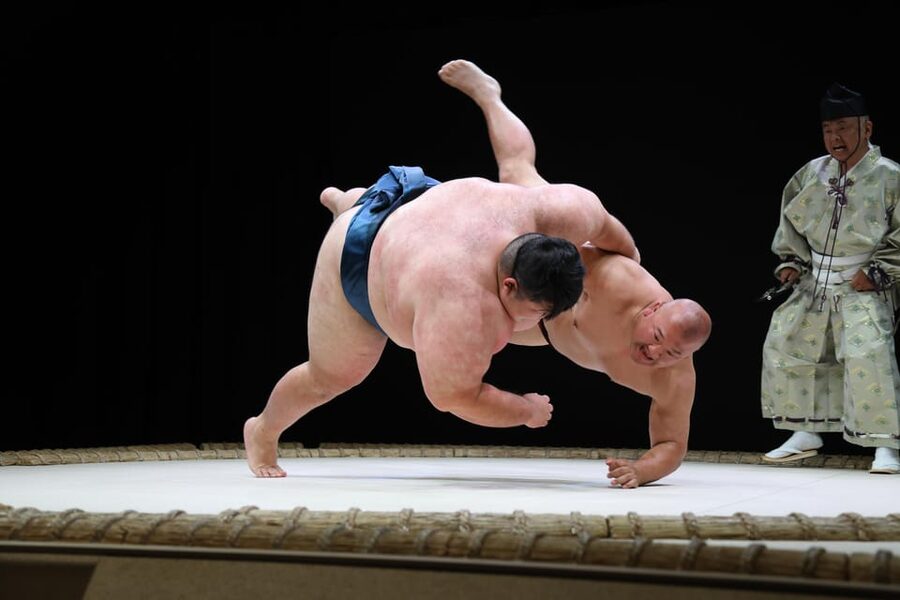
Osaka’s sumo stage show puts you close to the action without asking you to understand every ritual first. Former professional wrestlers demonstrate techniques, perform short bouts, and explain the sport on a raised ring while a rakugo storyteller warms up the room before the main show. The result is part cultural lesson, part comedy act, and part live wrestling display.
I like the clear explanation of sumo rules and rituals, especially for first-time visitors. I also like the audience participation, which can include simple exercises, questions, and a chance for a selected audience member to face a wrestler in a playful match.
The main thing to understand is that this is a staged entertainment show, not a professional sumo tournament. The one-hour format, theatrical lighting, sales announcements, and room-temperature bento may feel expensive at $93, but the setting, food, photo, and access to former wrestlers make it a convenient evening activity.
Key points to know before booking
- Former professional wrestlers perform the bouts, with demonstrations of sumo techniques, footwork, and strength.
- A rakugo storyteller serves as the MC, adding humor and explaining the sport before and during the show.
- The show runs at 6:00 p.m. or 8:00 p.m., and lasts about 60 minutes.
- Your ticket can include a room-temperature bento or snack bag and one drink, depending on the option selected.
- The venue is on the eighth floor of Namba Parks Shopping Center, so allow extra time to find the hall.
- A commemorative photo with the wrestlers is included, making this easy to remember and share.
What happens during the one-hour Osaka sumo show
You should arrive at least 30 minutes before the listed start time. That buffer matters because THE SUMO HALL HIRAKUZA OSAKA is inside Namba Parks Shopping Center, rather than in a building that looks like a traditional sumo venue from the street.
The show itself starts with a rakugo storyteller acting as MC about 10 minutes before the main performance. Rakugo is a Japanese storytelling tradition built around a seated performer, comic timing, and expressive delivery. Here, the MC helps set the tone and gives the evening a distinctly Japanese flavor before the wrestlers enter.
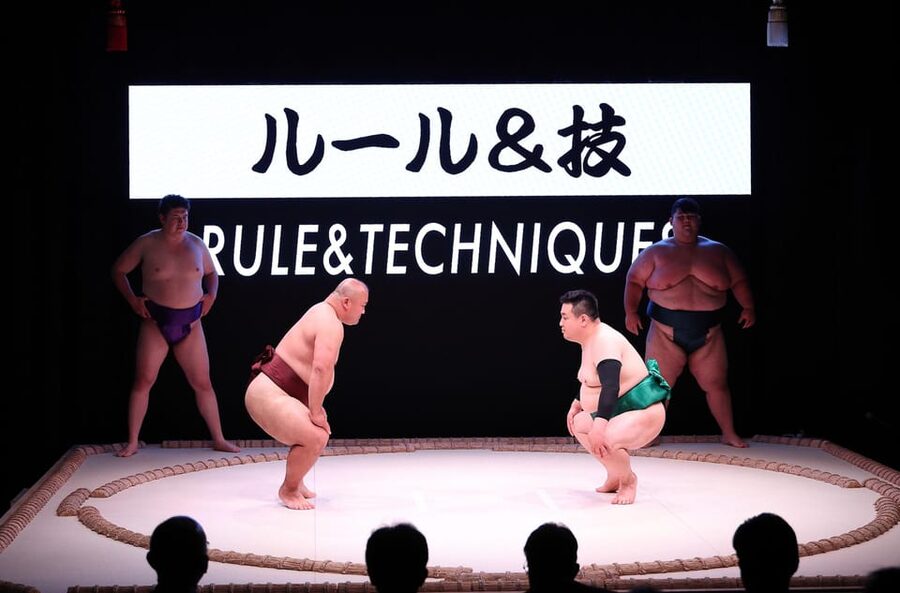
Once the main show begins, the first section explains sumo. You learn about the sport’s long history, basic rules, techniques, and ceremonial elements. This opening is useful because sumo can look simple from a distance: two large wrestlers push, pull, and try to force each other out of the ring. The explanations show how much depends on balance, timing, foot placement, and controlled force.
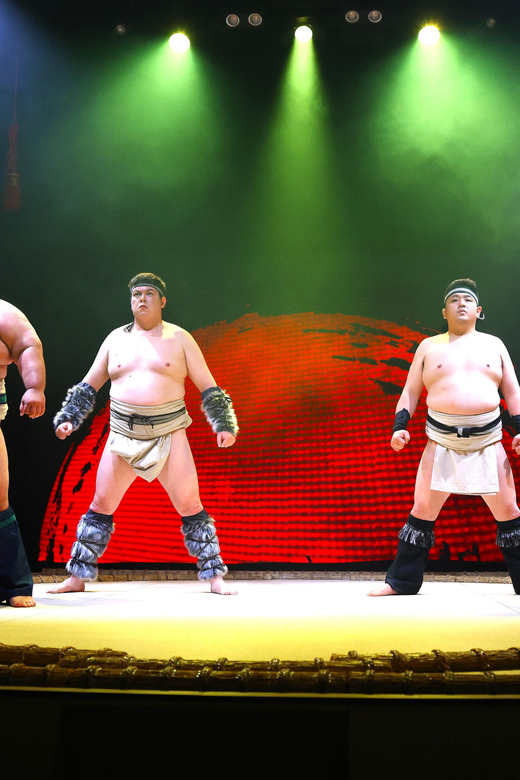
The presentation uses sound, lighting, and visual effects, so you are watching a stage production as well as a sports demonstration. That approach makes the material easy to follow, particularly if you have never attended a professional sumo tournament in Japan.
The second half becomes more physical and comic. Former wrestlers face one another in demonstration bouts, showing the difference between a slow, technical exchange and a more energetic clash. The action is designed for entertainment, so you should not expect the full tension or competitive stakes of a regulated tournament.
That is not a flaw as long as you arrive with the right expectation. This show gives you a friendly introduction to sumo in English-friendly entertainment, rather than a serious sporting contest. You get the rules and atmosphere without needing to plan around a tournament calendar.
More Shows around Japan:
- Dinner Show at Agafay desert & Traditional Outfit Photoshoot
★ 4.5 · 18 reviews
Why the commentary and comedy matter
The strongest part of the experience is the way it makes an unfamiliar sport approachable. The MC explains what you are seeing, then adds jokes and audience interaction so the information does not feel like a lecture.
The show also introduces the wrestlers as performers, not distant athletes. They answer questions, interact with people in the room, and take part in playful moments. That personal contact helps explain why the photo at the end feels like more than a quick souvenir snapshot.
The humor is broad and intentionally accessible. Families and mixed-age groups tend to benefit from that style, since younger children may not have much patience for a formal history lesson. Adults who want a serious look at professional sumo should treat this as an introduction, not a substitute for a tournament.
The explanations cover sumo as a martial art and traditional sport, including its long 1,500-year history. You leave with a better sense of why the sport has such strict rules and rituals, even though the show itself keeps the mood light.
Audience participation, exercises, and the wrestler challenge
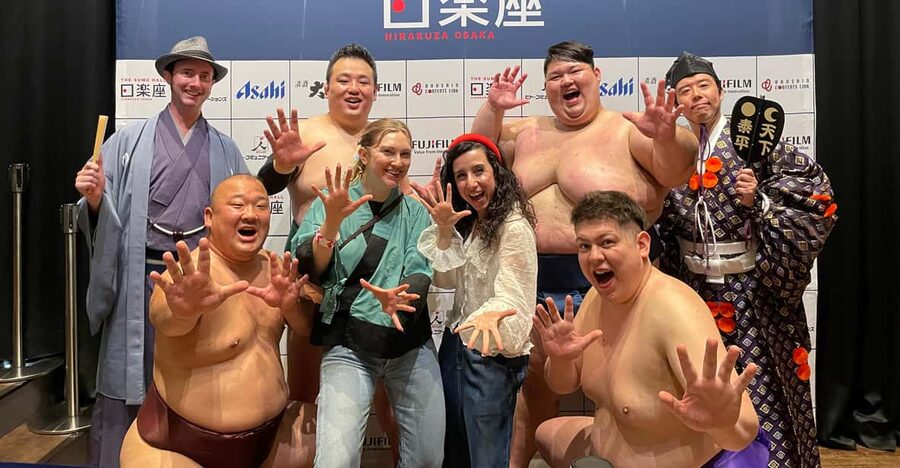
Participation gives the evening its most memorable moments. Depending on the program and the way the show unfolds, you may see audience members try basic sumo movements or exercises. The performance can also include a playful challenge between a selected audience member and one of the wrestlers in full gear.
Selection is not guaranteed. A lottery may determine who gets the chance to enter the ring or challenge a wrestler, so do not book this expecting a personal match. Still, the possibility adds energy to the room, and watching an ordinary visitor attempt sumo against a trained former professional can be very funny.
The participation is handled as comedy and audience entertainment. It is not a formal training session, and the standard Sumo Show does not offer the same hands-on format as the separate Sumo Workshop Experience.
If you want to step into the ring yourself, the workshop is the better choice. It begins at 1:30 p.m., asks you to arrive 15 minutes early, includes an introduction to sumo, a live match, sumo training, a possible wrestler challenge, a drink, a bowl of chanko nabe, and a photo. The evening show is simpler and shorter, with the emphasis on watching.
Bento, snack, and the value of the included food
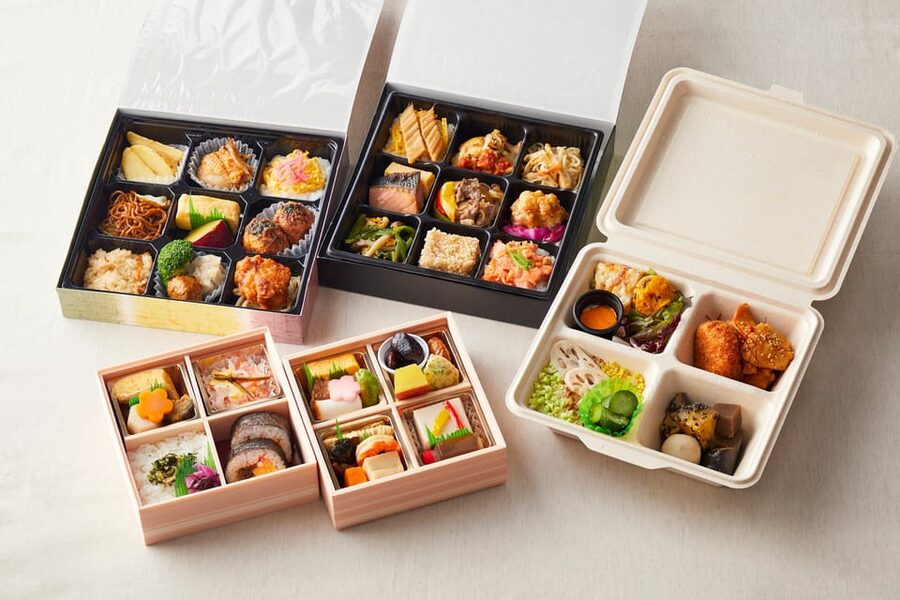
The evening ticket can include either a standard food box or snack bag and one drink, depending on the option you select. The food is served at room temperature, which is part of the Japanese bento tradition. Eating a prepared box while watching a performance is a familiar cultural format in Japan.
You should not think of the bento as a restaurant dinner. Some boxes contain an assortment of traditional foods, and several people find them enjoyable. Others find the food average, cold, or less appealing than expected. The mixed response makes one point clear: book for the show, not for a premium meal.
The food can still be convenient. You do not need to leave the hall to find dinner, and the included drink gives you something to enjoy during the performance. If you have strong dietary preferences or want a substantial meal, plan to eat before or after at one of the many restaurants in Namba Parks.
The nearby shopping center is useful here. You can arrive early for a meal, browse the shops afterward, or continue your evening without crossing Osaka. That location adds practical value, particularly for families and anyone trying to fit a show into a busy Namba schedule.
More photo tours and shoots in Japan:
- Tokyo: Kimono Dressing, Walking, and Photography Session
★ 4.9 · 427 reviews - Best Go Kart Experience in Shibuya Crossing with Iconic Photos
★ 5.0 · 348 reviews - Tokyo Ryogoku Sumo Morning Practice + Photo Shoot with Wrestlers
★ 4.5 · 277 reviews - Kyoto: Maiko Makeover and Photoshoot Experience
★ 4.7 · 239 reviews
Finding THE SUMO HALL HIRAKUZA OSAKA
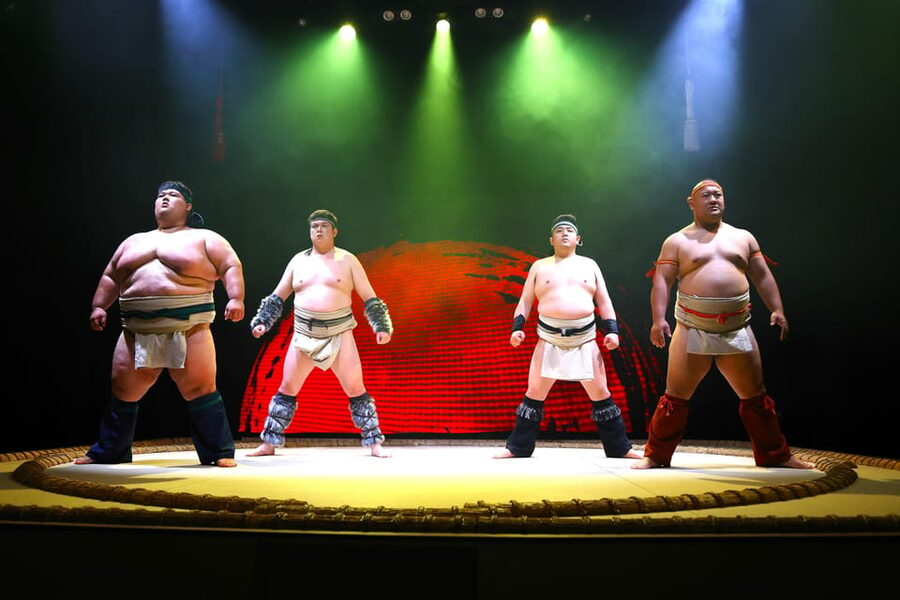
The venue is on the eighth floor of Namba Parks Shopping Center. This is the detail most worth remembering, since the building contains several floors of shops, restaurants, and entertainment spaces.
Use the venue name, THE SUMO HALL HIRAKUZA OSAKA, when checking your route. The meeting point can vary by booking option, so read the confirmation carefully rather than assuming every ticket uses the same entrance arrangement.
Give yourself time to reach the eighth floor. Arriving 30 minutes early is not excessive here, especially if you are unfamiliar with Namba Parks or are carrying luggage, traveling with children, or trying to find the correct elevator and hall.
The location is one of the show’s practical strengths. You can combine it with shopping, dining, and other Namba activities. It is also a sensible choice on a rainy evening because much of your time before and after the performance can be spent indoors.
Is $93 reasonable for one hour?
At $93 per person, this is not a bargain if you measure value by minutes alone. The main performance lasts about an hour, and the bento or snack is not designed as a high-end meal.
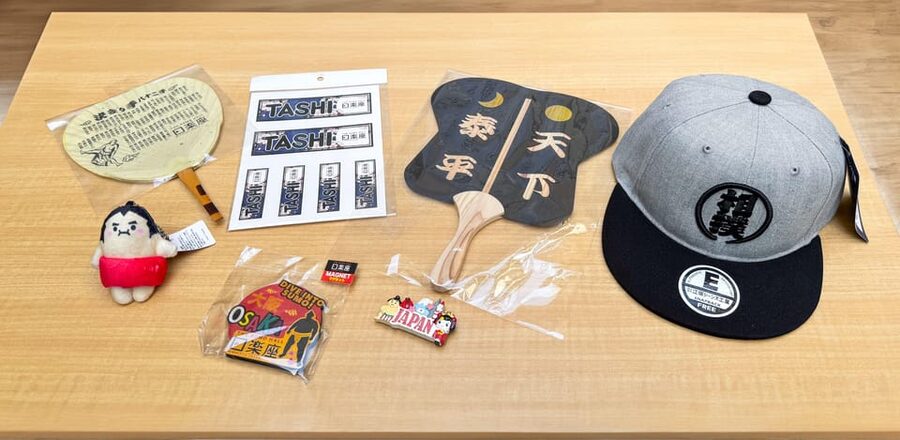
The price makes more sense if you value convenience and a complete evening package. Your ticket may include the show, commentary, food, one drink, a photo with the wrestlers, and access to an experience that is difficult to arrange independently. You also avoid needing to understand Japanese sumo schedules, seating systems, or tournament customs.
The photo is a small but meaningful part of the value. You meet the wrestlers after the show and leave with a keepsake rather than only a memory of watching from the audience.
I would call the value fair for visitors who want a polished cultural show with minimal planning. I would call it expensive for anyone expecting a serious sports event, a full dinner, or extensive hands-on instruction.
There is also some promotional material and commercial content within the production. That can interrupt the flow, particularly if you prefer a traditional cultural presentation. The show is built for visitors, and it does not hide that fact.
Who will enjoy this most?
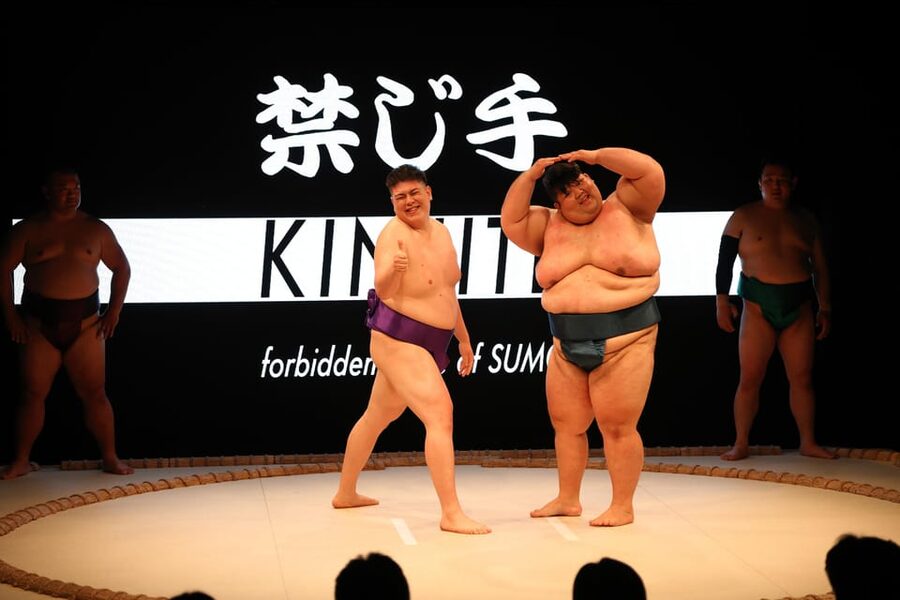
Families have plenty to gain from the format. The show is short, visual, funny, and interactive, and children may enjoy seeing audience members try the exercises or face a wrestler.
First-time visitors to Japan can also use it as a gentle introduction to sumo. You get the basic rules, some cultural background, demonstrations, and a chance to meet the performers without needing specialist knowledge.
It works well for couples and small groups looking for an evening activity in Namba. The 6:00 p.m. and 8:00 p.m. start times make it easier to fit around sightseeing and dinner.
I would be more cautious if you are a dedicated sumo fan. The demonstrations are entertaining, but the show does not recreate the stakes, ceremony, or competitive intensity of a professional tournament. You may still enjoy the chance to see former wrestlers up close, but the educational and comic elements will take up much of the hour.
The separate workshop suits people who want more physical involvement. It includes sumo training and chanko nabe, while the evening Sumo Show focuses on watching, explanation, and interaction.
Practical details that can affect your evening
The experience is listed as wheelchair accessible, and a small-group option is available. Unaccompanied minors are not allowed, so children must attend with an adult.
You cannot bring weapons or sharp objects, smoke, or litter at the venue. These are simple rules, but they are worth knowing before you arrive.
The activity is non-refundable. Check the selected start time and option carefully before paying, since the meeting point and included food can differ by booking choice.
A few minutes before the show may be spent getting seated and ready, followed by the MC’s short rakugo performance. The official performance time is about 60 minutes, followed by the commemorative photo opportunity.
If you are running late, do not assume a change will be possible. One person was moved to a later showing, but that should be treated as a courtesy rather than a guaranteed policy. Arriving early remains the safer plan.
My verdict on the Osaka sumo stage show
Book this if you want an easy, lively introduction to sumo with explanations, comedy, audience participation, a drink, and a photo. It is particularly well suited to families, first-time Japan visitors, and anyone already planning an evening around Namba Parks.
Skip it if you want a real tournament, a full sumo dinner, or serious athletic competition. The food is variable, the show can feel commercial, and $93 is a meaningful price for 60 minutes.
For the right audience, the format works. You learn enough to understand the sport, see former wrestlers demonstrate their skill, and share a few laughs without needing to organize a complicated cultural outing. Just treat it as polished Japanese stage entertainment with sumo at its center, not as a substitute for professional tournament seating.
FAQ
Where is THE SUMO HALL HIRAKUZA OSAKA?
The venue is on the eighth floor of Namba Parks Shopping Center in Osaka. You can search Google Maps for THE SUMO HALL HIRAKUZA OSAKA.
How long does the Sumo Show last?
The performance lasts approximately one hour from the listed start time. A rakugo storyteller performs about 10 minutes before the main show begins.
What time does the evening Sumo Show start?
The listed evening performances begin at 6:00 p.m. or 8:00 p.m. Check availability for the date and start time you want.
How early should I arrive?
You should enter at least 30 minutes before the performance starts. This allows time to reach the eighth floor and get seated.
Is food included?
Food is included only if you select an option with a standard food box or snack bag. That option also includes one drink.
Is the food served hot?
The standard food box is served at room temperature. The separate Sumo Workshop Experience includes a bowl of chanko nabe.
Do I get to wrestle a sumo wrestler?
Audience participation may include exercises or a playful challenge with a wrestler, but selection is not guaranteed. A lottery may determine who takes part.
Is a photo included?
Yes. The experience includes a commemorative picture with the sumo wrestlers after the show.
Is the venue wheelchair accessible?
Yes. The activity is listed as wheelchair accessible.
Can children attend alone?
No. Unaccompanied minors are not allowed. Children must attend with an accompanying adult.
Just added around Japan
- Private Hakone Kimono costume Photo Tour with Hotel Pick-up★ 5.0 · 4 reviews
- Luxury Kimono Photoshoot at Ginza Tokyo★ 5.0 · 7 reviews
- Photoshoot in Shirakawago/Takayama by professional photographer★ 5.0 · 5 reviews
- 1 Hour Private Photoshoot in Hakata★ 5.0 · 5 reviews
- Fuji Photo Tour★ 5.0 · 6 reviews
- Mt. Fuji 2-Hour Photo Shoot with a Local Photographer-Kawaguchiko★ 5.0 · 6 reviews
- Private Mt.Fuji Kimono costume Photo Tour with Hotel Pick-up★ 5.0 · 5 reviews
- Stroll & Snap:Your Private Portrait Session★ 5.0 · 3 reviews
Osaka Photo Tours & Photoshoots, side by side.
Private Vibrant Nighttime Photoshoot (Dotonbori)
Read our review →
Osaka Dotonbori Night Photoshoot Private | Pro Photographer
Read our review →
Anime Character Cosplay Photoshoot-Includes 50 photo data
Read our review →
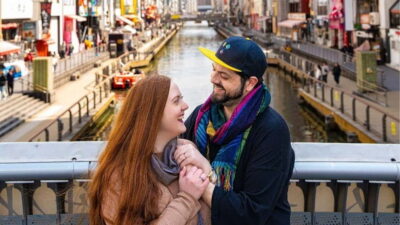
Private Daytime Photoshoot Experience in Osaka (Dotombori)
Read our review →Lists this one turns up in