
Review · MUSEUMS
KBr Fundación MAPFRE – Photography Exhibitions
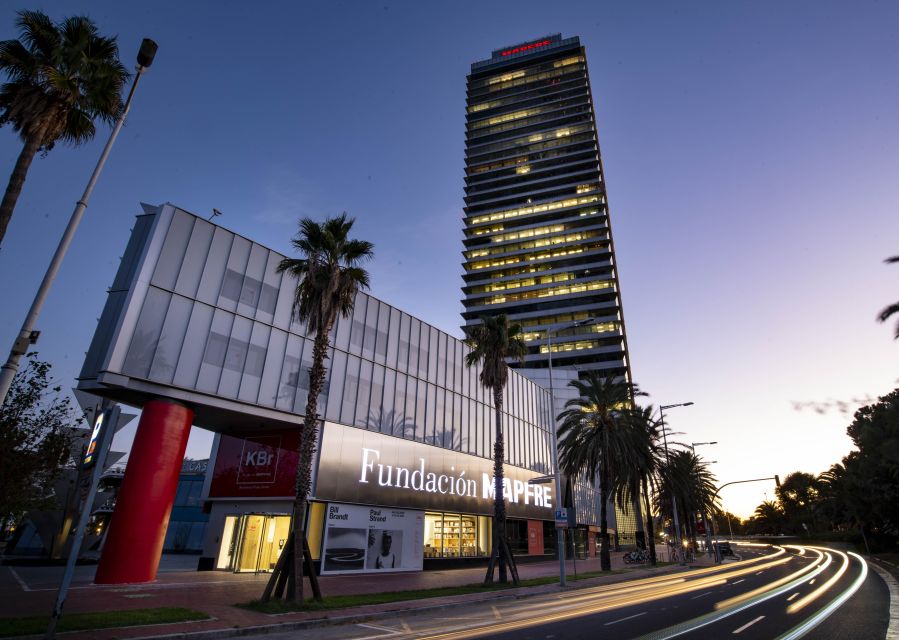
KBr Fundación MAPFRE gives you a focused look at photography rather than a packed museum visit. The current program pairs Walker Evans, a major American documentary photographer, with Spanish photographer Carlos Pérez Siquier in two exhibition spaces near Barcelona’s Port Olímpic. I like the clear contrast: Evans observes a changing United States with a cool, direct eye, while Pérez Siquier brings wit, color, and social feeling to Spain.
I also like the very low €5 price and the free audio guide, which helps you read the photographs without paying for a private tour. The main caution is practical: one visitor arrived for a booked time slot in February 2026 and found the show closed, so check the opening date and hours before setting out.
Key points to know before you go
- Two exhibitions in one visit: See Walker Evans: Now and Then and Pérez Siquier: Fundación MAPFRE Collections.
- A major American photographer: Follow Evans from his early 1920s photographs to his later Polaroid experiments.
- A leading Spanish modernist: Trace Pérez Siquier’s move from black-and-white work to bold color photography.
- Free audio guide: Use the QR code in the galleries, with English, Catalan, and Spanish options.
- Easy price to justify: Admission costs $5 per person, making this a practical cultural stop in Barcelona.
- Plan around museum hours: The center is open Tuesday through Sunday, with longer hours from April 1 onward.
What you are really getting at KBr
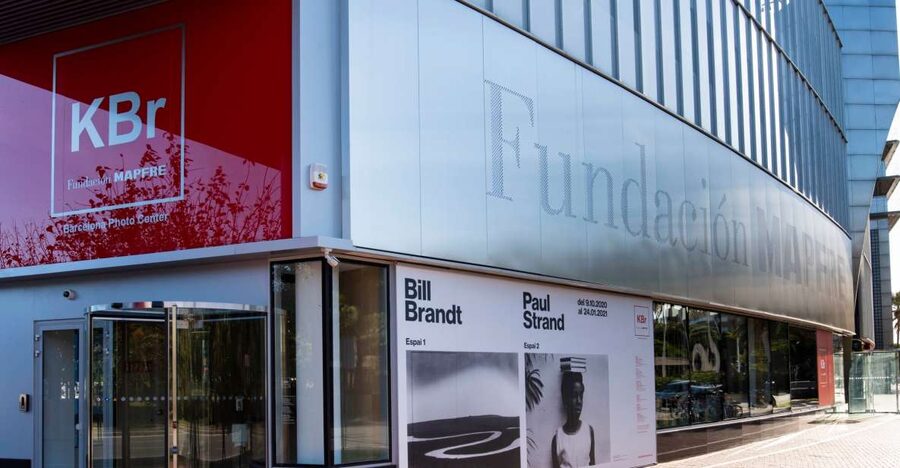
This is a photography-center visit, not a guided walking tour or a full-day attraction with a long route. You enter KBr Fundación MAPFRE at Barcelona’s Port Olímpic, present your voucher at the ticket desk, and spend your time moving through two exhibition areas devoted to artistic photography.
The center’s strength is focus. You will not be asked to cover a huge building or rush from room to room. Instead, the visit gives you time to look closely at how photographers frame ordinary people, streets, buildings, beaches, and public life.
The ticket is valid for one day, and the listed price is $5 per person. That is strong value if you already enjoy photography or want a quiet cultural break from Barcelona’s more crowded sights. It is also a modest commitment if modern photography is not usually your first choice.
The current program runs through May 24, 2026. It includes the main temporary exhibition, Walker Evans: Now and Then, plus the third edition of the center’s annual presentation devoted to emerging photographers from younger generations. The supplied information does not name that emerging-photography show, so check the current display details if that part matters most to you.
More Museum Visits around Barcelona:
- Berlin: Fotografiska Photography Exhibition Ticket
★ 4.6 · 168 reviews - Amsterdam: Foam Photography Museum Admission Ticket
★ 4.2 · 141 reviews - Paris: Private Photoshoot Outside the Louvre Museum
★ 4.8 · 139 reviews
Walker Evans from the 1920s to the Polaroid years
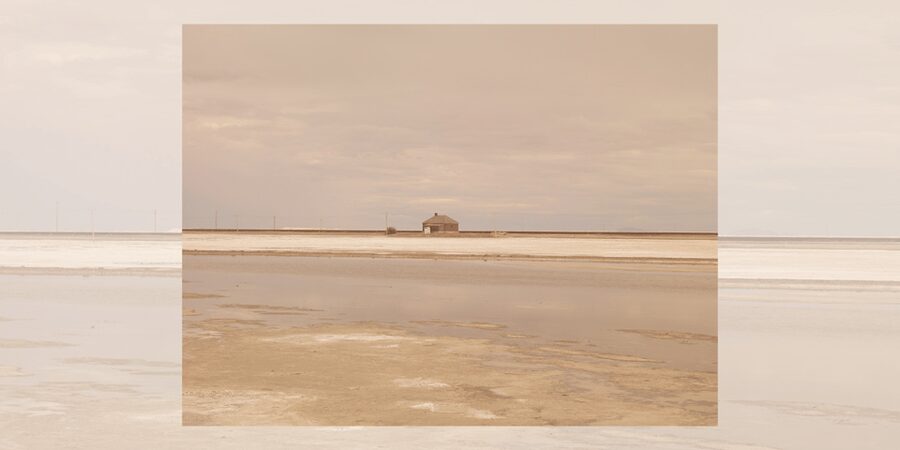
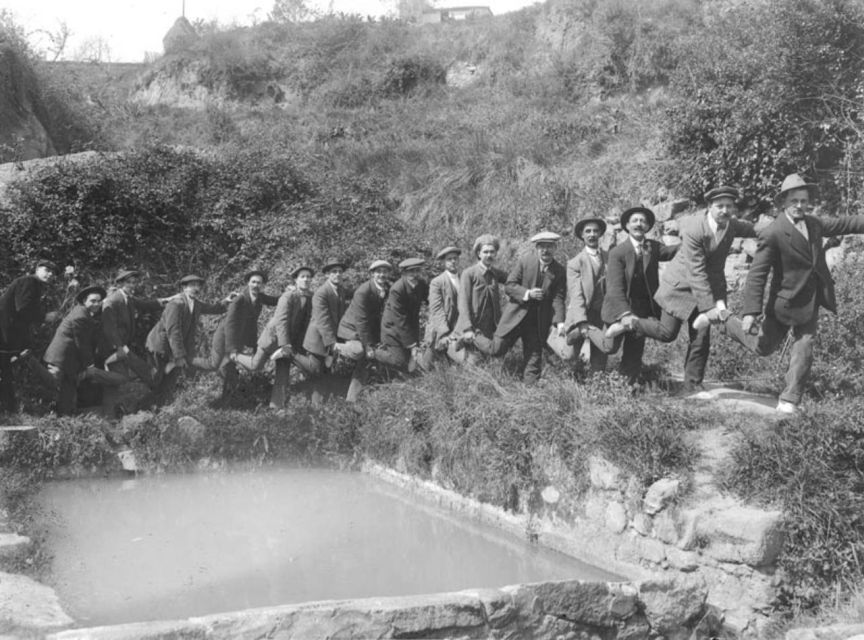
The Walker Evans exhibition is the main reason many photography enthusiasts will want to visit. Evans, who lived from 1903 to 1975, is known for a plain, careful way of looking at American life. His photographs can appear simple at first, but their details carry the weight.
The show, assembled by David Campany, covers a long career. You begin with early photographs from the 1920s and follow Evans through his better-known documentary work to experiments with Polaroid cameras in the 1970s.
That broad time span matters. You are not seeing one narrow project or a single famous image repeated in different forms. You can follow how Evans kept testing what a photograph could do while holding on to a direct, restrained style.
His subjects include everyday life, urban settings, popular culture, and anonymous faces. The effect is less about spectacle than observation. A street sign, shopfront, building, or portrait can suggest a society changing around its people.
One listed image is Broadway from 1930. It gives you a useful clue to Evans’s approach: look beyond the obvious subject and pay attention to signs, surfaces, structure, and the small marks of ordinary life. His work asks you to slow down instead of treating each photograph as a quick visual hit.
Evans is also important because his work helped shape documentary photography. He did not need theatrical effects to make a point. His spare style leaves room for you to think about what is shown, what is left out, and how a supposedly neutral image can still carry a point of view.
The exhibition also shows that Evans was not frozen in one period. His later Polaroid work brings a different technical feel, but the interest in close observation remains. I would allow extra time here if you like photography, American social history, or images that reward a second look.
Pérez Siquier and the changing face of Spanish photography
The second exhibition presents Carlos Pérez Siquier, born in Almería in 1930 and deceased in 2021. He was a major figure in Spanish photography and helped renew the medium’s visual language during the 20th century.
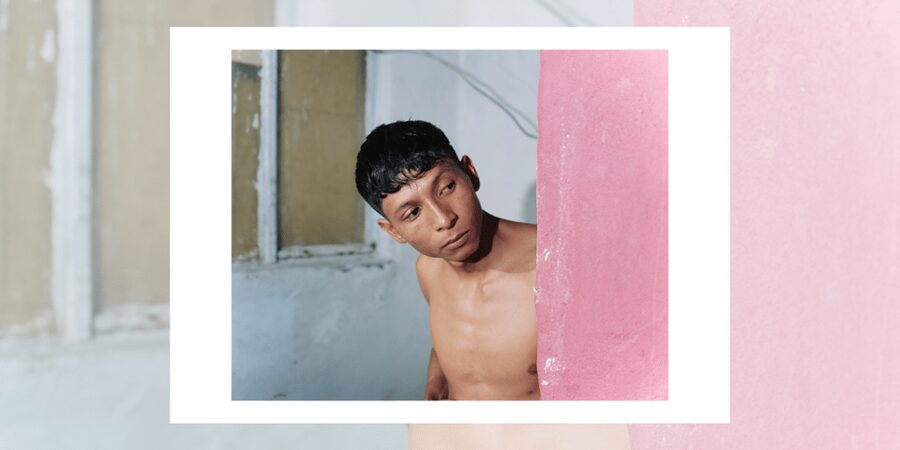
Pérez Siquier worked from his hometown and built a modern, poetic view of Spain. His pictures can carry both sensitivity and irony, which gives the work a different mood from Evans’s more austere observation.
The exhibition draws from works added to the Fundación MAPFRE photography collection in 2022. It brings together several important series, including La Chanca, Informalisms, and The Beach.
La Chanca is especially useful for understanding his connection to Almería and to social change. The series points you toward people and places often left outside polished tourist images. The photographs ask you to consider daily life, local identity, and the gap between how a place is lived and how it is presented.
The transition from black and white to color is one of the show’s key threads. Pérez Siquier was an early and important user of color photography in Spain, at a time when color was not always treated as serious art. Here, color is not decoration. It can create humor, tension, warmth, or discomfort.
The Beach gives you another side of his eye. Public spaces become stages where clothing, bodies, gestures, and social habits can say as much as the setting itself. One listed work is Marbella, 1974, an image that places you in the period’s changing Spanish culture.
Pérez Siquier also co-founded the Agrupación Fotográfica Almeriense and the magazine AFAL. Those efforts helped support photography as an artistic discipline in Spain. You do not need to know that institutional background before entering, but it helps explain why this exhibition matters beyond a collection of attractive images.
I particularly like the pairing with Evans. The two photographers worked in different countries and visual cultures, yet both paid close attention to ordinary life. Evans often strips the image down to structure and fact. Pérez Siquier can push toward color, irony, and emotional friction. Seeing them together makes the visit more rewarding than seeing either exhibition alone.
How to use the free audio guide
The standard ticket includes a free audio guide in English, Catalan, and Spanish. You access it through a QR code available in the room, so bring a mobile phone with an active internet connection.
If you do not have mobile data, KBr provides free Wi-Fi. You will need headphones to avoid disturbing other people. Bringing your own is the simplest option, but the ticket counter sells jack-type headphones for €1 when available. You may have to wait if supplies are limited.
This setup gives you flexibility. You can listen to selected material and then continue at your own pace, rather than staying with a fixed group. It also means you should arrive with a charged phone and headphones ready. The audio guide is not a minor detail here, since context about Evans’s career and Pérez Siquier’s place in Spanish photography can sharpen what you see.
If you prefer silent viewing, you can still enjoy the exhibitions without treating every photograph as an assignment. I would use the audio guide selectively, especially for the introductory material and the larger series.
More photo tours and shoots in Barcelona:
- Barcelona E-Bike Photography Tour
★ 5.0 · 843 reviews - Barcelona: Paddleboarding at Sunrise. Includes: instructor, photos, equipment
★ 4.7 · 570 reviews - Costa Brava: Kayak, Snorkel, Photos, Lunch, Beach & Cliff Jump!
★ 5.0 · 508 reviews - Barcelona: Instagram Tour of the Most Scenic Spots
★ 4.9 · 332 reviews
Timing your visit at Port Olímpic
KBr opens Tuesday through Sunday, including holidays. From October 1 through March 31, the listed hours are 11 a.m. to 7 p.m. From April 1 onward, the center is listed as open from 11 a.m. to 8 p.m.
The ticket is valid for one day, and you should check the available starting times when booking. The experience itself is not described as a timed guided tour, so the main value of choosing a time slot is having an organized arrival.
Give yourself enough time to see both exhibitions without racing. The exact visit length is not specified, but the center is designed around two photography displays rather than a large collection spread across many floors. If you look quickly, you can make it a short stop. If you read the audio material and study the series, it can fill a substantial part of an afternoon.
Port Olímpic also makes KBr easy to combine with other Barcelona plans, but the supplied information does not specify transport directions. Use the address and opening hours when planning your route, and do not assume the center will be open outside the listed Tuesday to Sunday schedule.
The most important planning point is to confirm that the exhibitions are open on your chosen date. A booking made for February 6, 2026 was met with a closure, followed by difficulty obtaining a refund. That appears to be an isolated but serious operational problem. I would check the official opening information shortly before visiting, especially if your Barcelona schedule is tight.
Accessibility, rules, and small practical details
The center is wheelchair accessible, which makes this a useful museum option for visitors who need step-free access. The supplied information does not give further details about lifts, seating, or restroom facilities, so contact the center directly if you need a specific accommodation.
Food is not allowed inside, and swimwear is not allowed. That is easy to manage, particularly if you are visiting Port Olímpic as part of a day near the water. Have your voucher ready for the ticket desk, then prepare your phone and headphones before entering the galleries.
Because photography exhibitions depend on concentration, avoid planning this as a noisy snack stop. You will get more from the visit if you give yourself a calm stretch of time and let the images work at their own pace.
Who will get the most from this €5 visit
I would recommend KBr first to people who already like photography, documentary work, or 20th-century social history. The Evans exhibition gives you a clear view of one photographer’s long career, while Pérez Siquier introduces an important Spanish voice whose work connects artistic choices with social change.
It also suits museum visitors who want something manageable. You get two exhibitions in a dedicated center, a free audio guide, and a low admission price. You do not have to commit an entire day, even though the ticket remains valid for one day.
The visit may be less satisfying if you want famous paintings, interactive displays, or a guide speaking directly to your group. The experience is quiet and self-directed. Its rewards come from looking closely, reading context, and comparing two different ways of photographing ordinary life.
Families can visit, but the attraction is not presented as a children’s program. Younger children who need constant activity may find the quiet galleries slow. Older children or teenagers interested in images, design, cities, or social issues may find the examples easier to discuss.
The exhibitions also work for repeat visitors to Barcelona. If you have already seen the city’s major art museums, KBr gives you a narrower subject and a different pace. The low price makes it a sensible addition when you want culture without another large museum commitment.
Is KBr Fundación MAPFRE worth booking?
Yes, if you enjoy thoughtful photography and can confirm the center is open on your date. The pairing of Walker Evans and Carlos Pérez Siquier gives you a strong reason to visit, and the audio guide adds useful background at no extra cost.
At $5 per person, the value is excellent for a two-exhibition visit. I would book it as a focused Port Olímpic cultural stop, not as a full-day attraction. Check the Tuesday to Sunday schedule, verify the opening status near your visit, and bring headphones with mobile data or plan to use the free Wi-Fi.
Skip it if you prefer fast sightseeing or highly interactive museums. Choose it if you like photographs that make you pause, compare, and think about how ordinary people and places record a changing society.
FAQ
Where is KBr Fundación MAPFRE located?
The photography center is in the Port Olímpic area of Barcelona, in Catalonia, Spain.
How much does admission cost?
The listed price is $5 per person, and the ticket includes entrance to the exhibitions.
Which exhibitions can I see through May 24, 2026?
You can see Walker Evans: Now and Then and Pérez Siquier: Fundación MAPFRE Collections. The program also includes the third annual presentation focused on emerging photographers from younger generations.
Is an audio guide included?
Yes. The standard ticket includes a free audio guide in English, Catalan, and Spanish. It is accessed with a QR code in the exhibition area.
Do I need mobile data and headphones?
You need a mobile device with an active internet connection to access the audio guide. Free Wi-Fi is available if you do not have mobile data. Headphones are required, and you can bring your own or buy jack-type headphones for €1 at the ticket counter when available.
Is the center wheelchair accessible?
Yes, KBr Fundación MAPFRE is wheelchair accessible. It is open Tuesday through Sunday, from 11 a.m. to 7 p.m. between October 1 and March 31, and from 11 a.m. to 8 p.m. from April 1 onward.
Just added around Barcelona
- Private Photography Walking Tour with a Local★ 5.0 · 32 reviews
- Private and Personalized Photography Adventure in Barcelona★ 5.0 · 51 reviews
- Shine in the Streets of Barcelona: cinematic & candid photos★ 5.0 · 3 reviews
- Private Tour: Personal Travel Photographer Tour in Barcelona★ 5.0 · 2 reviews
- Photo Walking Tour Sagrada Familia and Gaudí in Barcelona★ 5.0 · 28 reviews
- Timeless Barcelona: Your Personal Photoshoot★ 5.0 · 39 reviews
- Private Photo Session with a Local Photographer in Barcelona★ 4.5 · 3 reviews
- Private Barcelona E-Bike Photography Tour★ 5.0 · 26 reviews
Museums, side by side.
Ticket for Photography Exhibitions at C/O Berlin
Read our review →
Rotterdam: National Museum of Photography Entrance Ticket
Read our review →
Louvre Museum (Essential) – 2-hour visit in Portuguese with a photo session
Read our review →Lists this one turns up in