
Review · MUSEUMS
Berlin Museum of Photography Entry Ticket
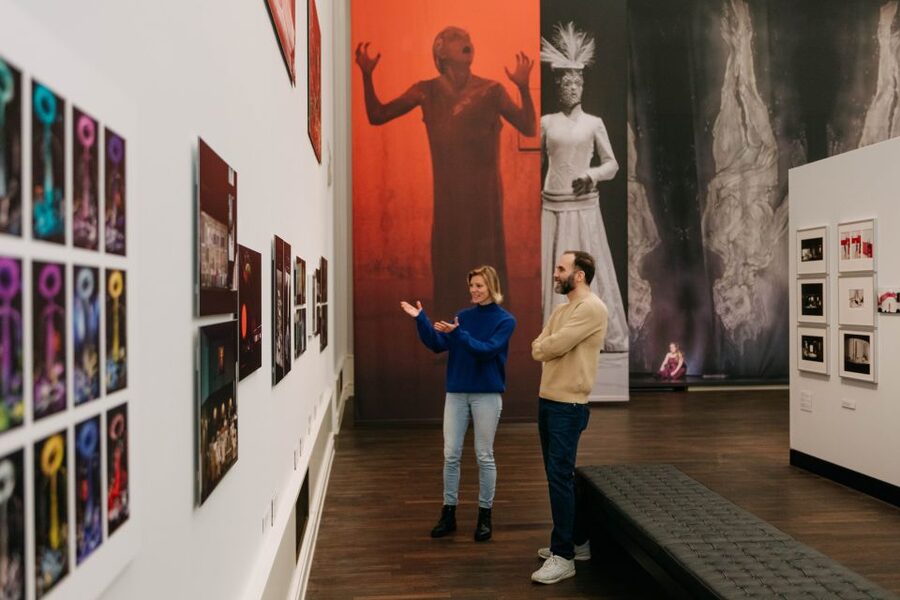
Berlin’s Museum of Photography takes you from the earliest days of the medium to today’s image-saturated world. Its five collection areas cover photographic archives, artistic work, personal papers, photogrammetry, and historical postcards, while the permanent Helmut Newton exhibition adds a strong personal and fashion-focused center.
I like the mix of serious collection material and accessible highlights. I also like the freedom of a one-day ticket, which lets you set your own pace rather than follow a timed tour. The main drawback is that the experience may not match every expectation: one available review simply says the visitor imagined it differently, so this is best for people who enjoy looking closely rather than hunting for a single blockbuster display.
Key points to know before you go
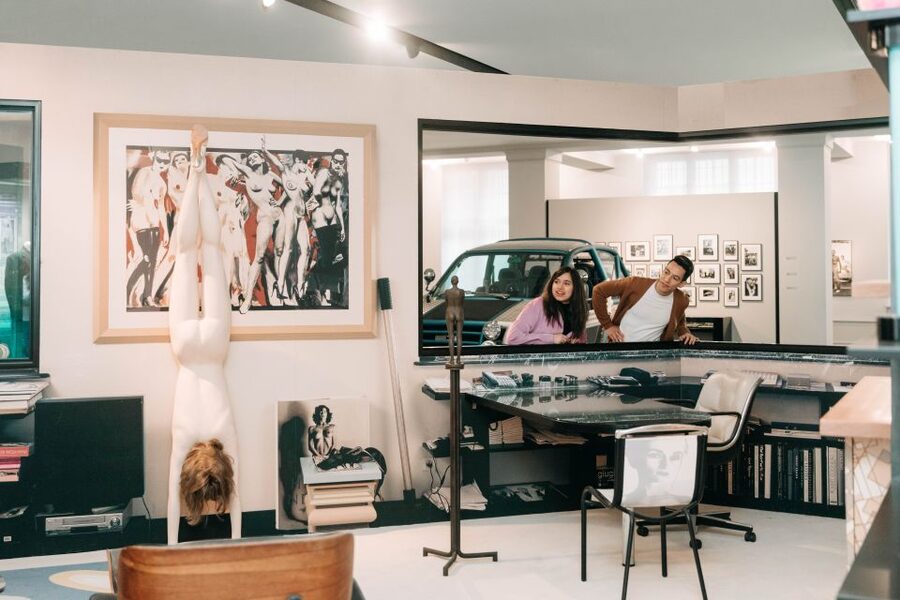
- Helmut Newton’s Berlin connection: See cameras, personal objects, his art collection, and the famous Newton-mobile linked to the provocative fashion photographer.
- Photography from the 19th century onward: Compare early photographic work with images reflecting modern events and contemporary life.
- Five distinct collection areas: The museum includes photographic archives, artistic photography, a personal archive, photogrammetric holdings, and historical postcards.
- Temporary exhibitions change the visit: Displays can include Body Performance and Post-War Modern Photography, so the exact mix depends on what is showing.
- A flexible museum visit: Your ticket is valid for one day, with no guide or fixed group itinerary listed.
- Plan around museum rules: Backpacks, oversize luggage, food, drinks, heavy coats, and wet clothing are not allowed in the exhibition areas.
What the Museum of Photography offers
The Museum of Photography opened in 2004 and brings together a wide sweep of photographic material. You are not looking at one narrow collection or a single photographer. Instead, you move between photographs, archives, objects, and historical documents that show how photography has changed in purpose and style.
That range is the main reason to visit. Photography began as a technical achievement, then became a tool for documentation, art, fashion, science, news, and personal memory. The museum gives you several ways to see those changes side by side.
I would approach the visit with curiosity rather than a checklist. You may find early images that reward a slow look, followed by modern photographs that feel much closer to current life. The contrast helps explain why the medium matters beyond its role as decoration or fashion.
The museum is divided into five main sections. The exact route and emphasis can depend on the exhibitions on display, but the broad structure gives you a useful framework.
More Museum Visits around Germany:
- Berlin: Fotografiska Photography Exhibition Ticket
★ 4.6 · 168 reviews - Berlin: Ticket for Photography Exhibitions at C/O Berlin
★ 4.5 · 39 reviews - Berlin: East Side Gallery Photoshoot
★ 5.0 · 2 reviews
Five collection areas, from archives to postcards
The photographic archive is a natural place to think about photography as a record. Here you can expect material connected to the development and use of photographs over time. The value is in the range: early examples can look very different from images made in the modern era, yet both help show how people have used cameras to preserve events and places.
The collection of artistic photography shifts the focus from photography as evidence to photography as creative work. You can pay attention to choices of framing, light, subject, and mood. This section may appeal most if you enjoy asking why an image was made in a certain way, not simply what it depicts.
The personal archive adds another layer. Photographs do not exist alone; they belong to photographers, families, institutions, and working lives. Personal papers and related material can make the act of photography feel more human and less mechanical.
The photogrammetric holdings are a more specialized part of the collection. If that term is unfamiliar, do not worry. The important point is that the museum includes material connected to precise photographic measurement and technical use, not only gallery-style images.
Historical postcards offer a more everyday view. They show how photographs circulated in ordinary life and how places, people, and events were presented to a wider public. I like this part because postcards can reveal what earlier audiences considered worth sharing, remembering, or selling.
Together, these areas make the museum more varied than a standard photography exhibition. The trade-off is that the experience may feel broad rather than tightly focused. If you want one simple storyline, you may need to create your own route through the material.
Early photographs and images of current events
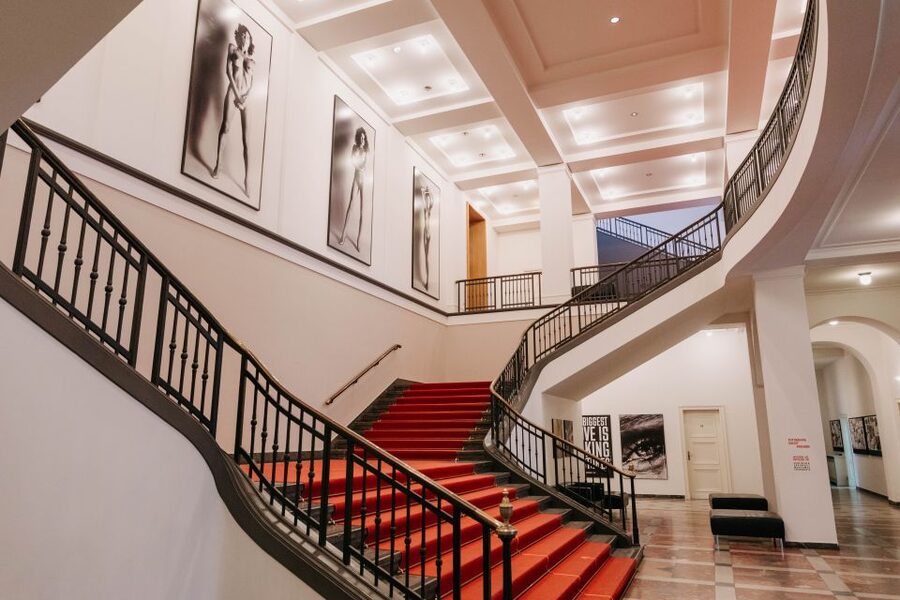
One of the museum’s strongest ideas is the movement from the early days of photography to the present. You can see photographs that reflect the medium’s beginnings alongside pictures connected to current events and modern concerns.
That time span gives the visit useful context. A 19th-century photograph was made under very different technical conditions from a contemporary image. The subjects, methods, and reasons for taking pictures changed, but the basic urge to record and communicate remained.
You may also notice how the meaning of a photograph depends on where you encounter it. An image in an archive can feel like evidence. The same kind of image in an art collection may invite a more personal or visual response. A postcard can turn photography into a souvenir, while a news image can shape public understanding of an event.
This is a good museum for comparing those roles. I would take time to look for changes in composition and purpose rather than rushing from one display to the next. The ticket is valid for one day, so you have room to slow down, leave, and return only if the museum’s operating arrangements allow it. The provided information confirms the one-day validity, but not a re-entry policy, so check the details before leaving.
Helmut Newton’s permanent exhibition
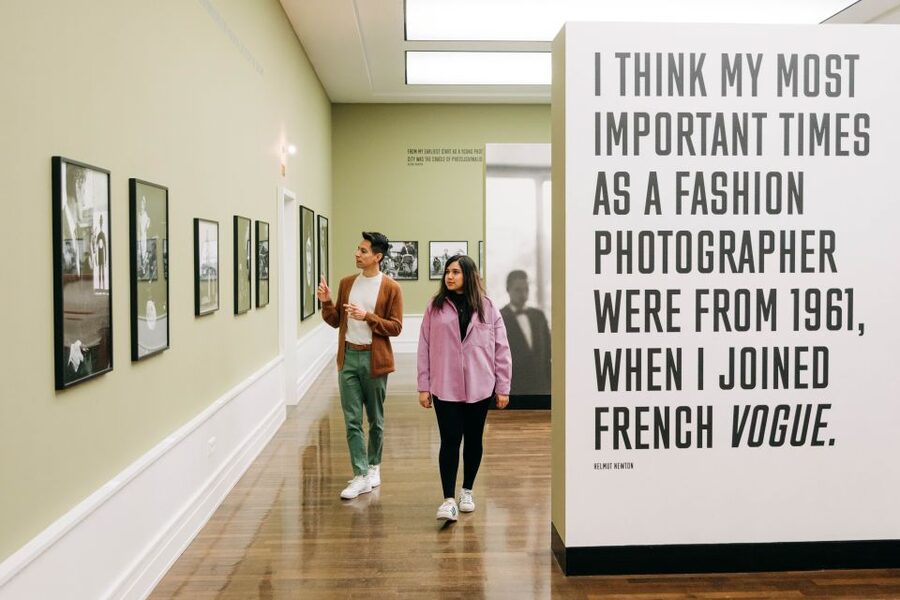
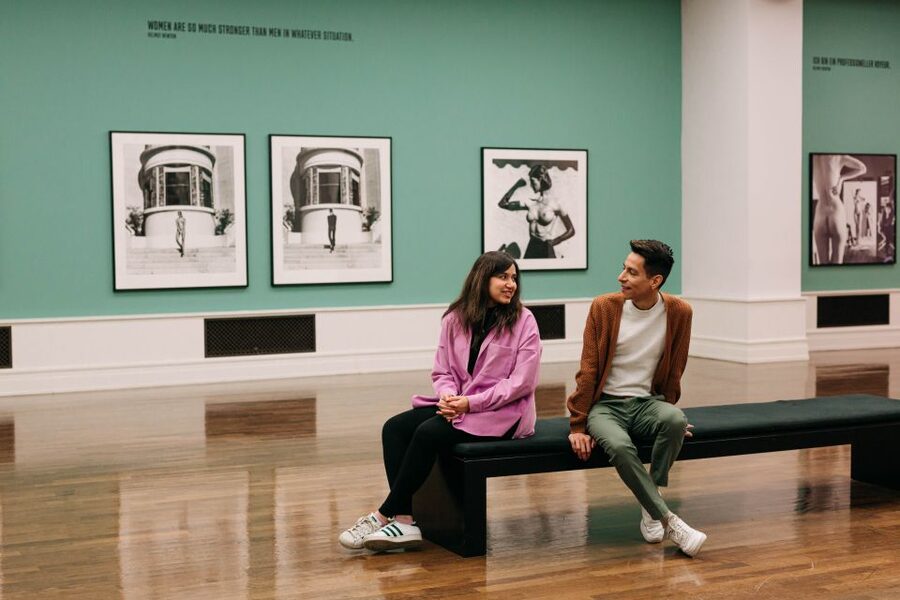
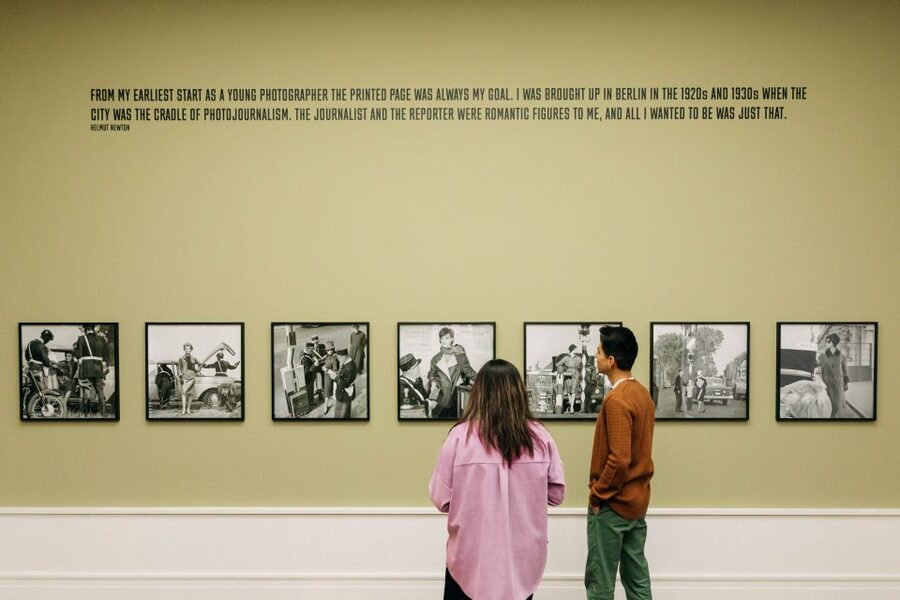
The permanent Helmut Newton exhibition is likely to be the most immediately recognizable part of the museum. Newton was born in Berlin and became an iconic fashion photographer known for provocative work. His images brought fashion, identity, power, and sensuality into sharp focus, often with a style designed to provoke a reaction.
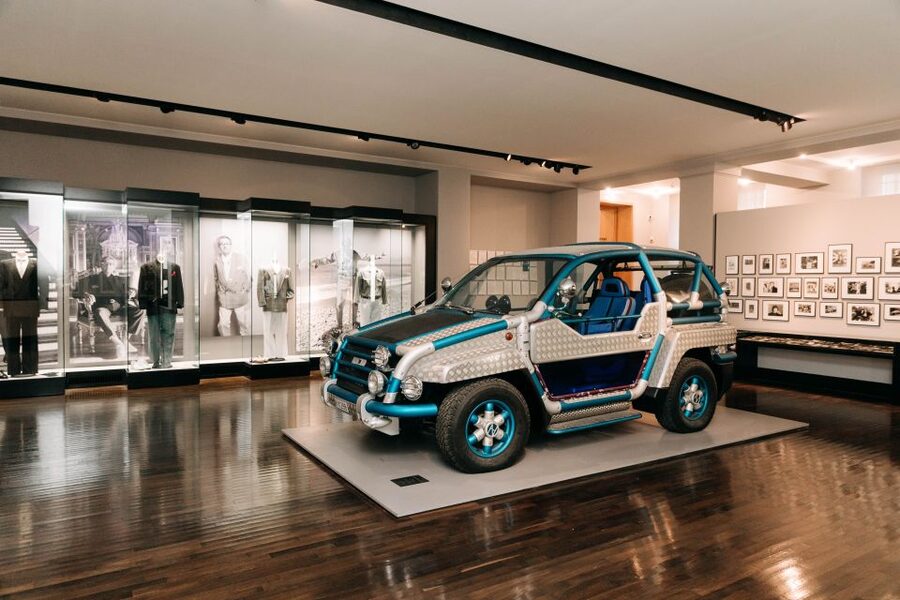
The exhibition is not limited to finished photographs. You can also see cameras, his art collection, the famous Newton-mobile, and other objects connected to his life. Those details matter because they show the working world behind the photographs.
I like this approach. A camera can seem ordinary until you connect it to a major body of work. A personal collection can also reveal what another photographer chose to look at and value. The Newton-mobile adds a memorable physical object to an otherwise image-heavy visit.
You should also know that Newton’s work is provocative. It may not suit every taste, and it can feel very different from the museum’s historical or technical holdings. That contrast is part of the point, but it means the visit is not one consistent visual style from beginning to end.
If Helmut Newton is your main reason for booking, allow enough time for more than a quick glance. The exhibition gives you photographs and personal artifacts, so rushing through it would miss much of its appeal. If Newton is not your main interest, the wider museum still gives you plenty to see.
More Entry Tickets around Germany:
- Ubud: Tegalalang Rice Terrace Photos Tour with Swing Ticket
★ 4.7 · 177 reviews - Amsterdam: Foam Photography Museum Admission Ticket
★ 4.2 · 141 reviews - Los Angeles: Academy Museum of Motion Pictures Ticket
★ 4.7 · 84 reviews - Park Guell Private Photoshoot with Skip the Line Ticket
★ 5.0 · 75 reviews
Temporary exhibitions such as Body Performance
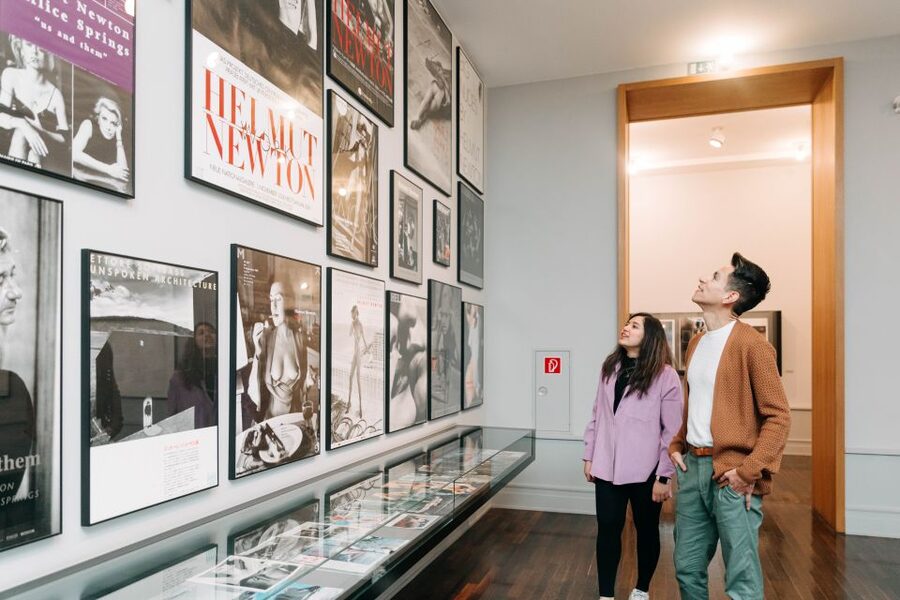
Temporary exhibitions add a changing element to the museum. The displays listed for this experience include Body Performance and Post-War Modern Photography. Since temporary shows can change, check what is scheduled for your visit rather than assuming every named exhibition will be on view.
Body Performance suggests a focus on the photographed body, movement, presentation, and physical expression. It may give you a different way to think about how photographers direct attention and how subjects use posture, gesture, or action.
Post-War Modern Photography points toward photography made in the period after the Second World War and the new approaches that developed during that time. It can help connect the museum’s older holdings with later artistic practice.
These exhibitions are useful because they prevent the visit from becoming only a survey of dates and equipment. They bring specific themes and periods into sharper focus. At the same time, the temporary material can make the museum feel different from one visit to the next.
I would check the exhibition titles before booking if a particular theme matters to you. The ticket gives access to the museum, but the supplied details do not promise that every temporary exhibition will be available on every date.
How much time should you allow?
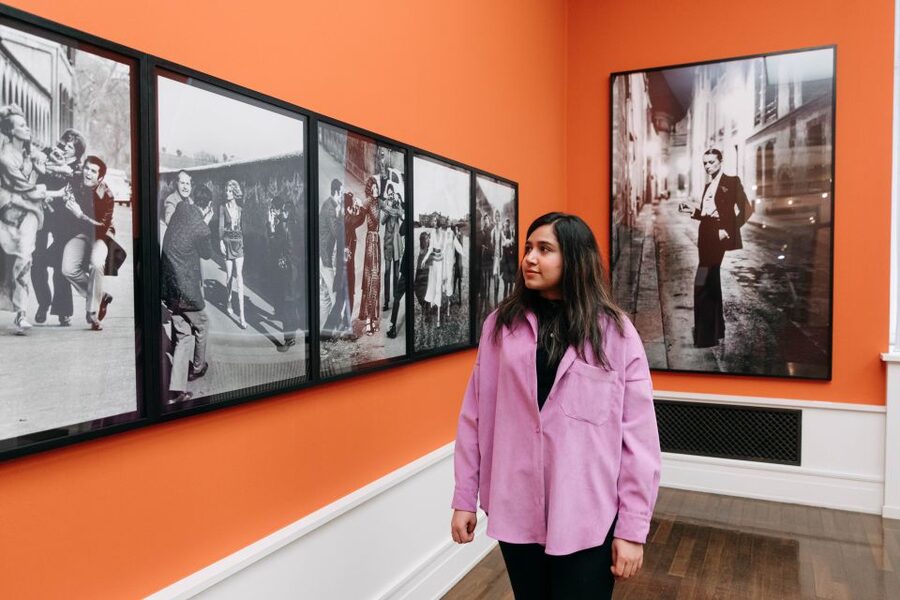
The ticket is valid for one day, and no fixed duration is given. That flexibility suits the museum because the collection covers several kinds of material. You can make a shorter visit focused on Helmut Newton and the current temporary displays, or spend longer comparing the five collection areas.
I would not treat this as a quick photo stop. The early photographs, archives, postcards, and technical holdings reward attention, especially if you enjoy museums that ask you to compare objects rather than move from one famous piece to another.
The absence of a listed guide means you should expect to explore independently. That can be a plus if you like choosing your own pace. It can also be a limitation if you prefer a tour leader to explain the collection or connect each section for you.
Check availability for starting times before you go. The information gives a one-day validity period but does not provide a fixed opening time in advance.
Price and practical value at $14
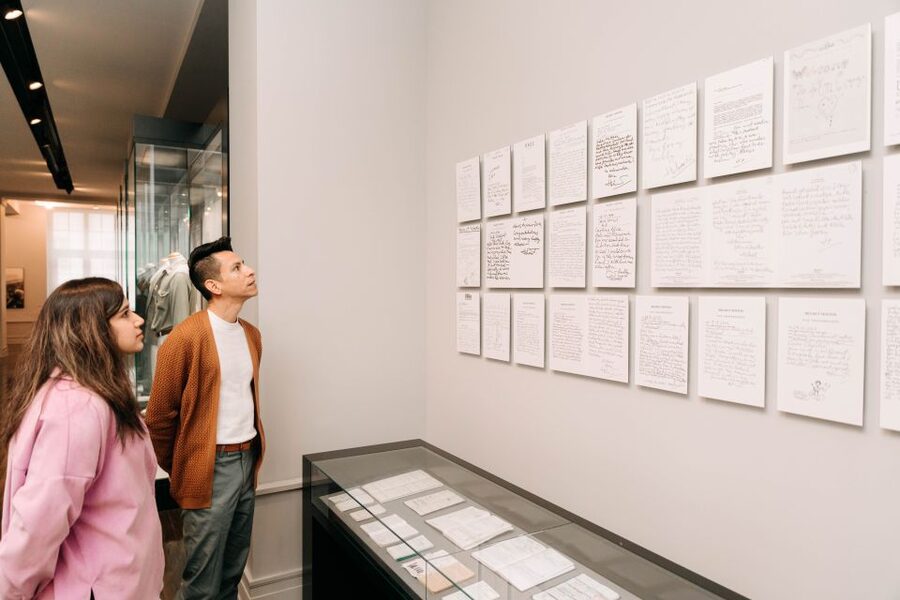
At $14 per person, the ticket is reasonably priced for a museum with a permanent Helmut Newton exhibition, broad historical collections, and temporary displays. You are paying for access to several types of photography rather than a single small gallery.
The value is best if you plan to spend enough time with the material. A short visit centered only on one exhibit may make the price feel less impressive. A longer visit that includes Newton, the five collection areas, and the temporary displays gives you more for the admission fee.
The booking fee is included in the stated price. There is no separate guide charge listed, and the activity begins directly at the museum entrance.
The ticket is non-refundable, so make sure your date and plans are firm before purchasing. That matters more here than with a casual walk-up visit, especially if your schedule in Berlin is still changing.
Arrival, clothing, and museum rules
You go directly to the museum entrance to begin. The activity ends back at the same meeting point because this is a museum admission rather than a guided route through several parts of Berlin.
Pack light. Backpacks and oversize luggage are not allowed, and food and drinks cannot be taken into the exhibitions. Heavy jackets and coats, along with wet clothing, may also be refused in the exhibition areas for conservation reasons.
That rule is practical, not fussy. Photographs and archival material need stable, protected conditions, and wet clothing can damage displays or create problems indoors. If Berlin weather is poor, plan what you will do with a heavy coat before entering.
A medical or FFP2 mask is recommended but not mandatory. The museum is wheelchair accessible. Follow staff instructions during the visit, particularly around bags, clothing, and the handling of exhibition areas.
Who will enjoy this museum most?
I would recommend this experience to anyone who likes photography in more than one form. It suits people interested in art, fashion, social history, archives, postcards, technical photography, and the way images shape public memory.
Helmut Newton fans have a clear reason to come. The permanent exhibition connects his photographs with cameras, objects, and other personal material, giving you more than a wall of fashion images.
It also works for visitors who want an indoor Berlin activity with a strong local connection. Newton was a Berlin native, and the museum’s range places his work within a larger story about photography rather than treating him as an isolated celebrity.
You may be less satisfied if you want an interactive attraction, a guided explanation, or one tightly focused story. The museum covers a lot of ground, and one available response describes the experience as different from what the visitor expected. Take that as a reminder to check the exhibition themes and arrive with realistic expectations.
Should you book the Museum of Photography ticket?
Book it if you want a flexible, self-guided museum visit that combines photography from the 19th century to today with a permanent Helmut Newton display. The $14 price is fair when you give yourself time for the archives, artistic photographs, historical postcards, and temporary exhibitions.
I would especially choose it on a Berlin day when you want substance without a fixed tour schedule. Skip it if you dislike museums built around close looking, or if you need a guide to explain every section. For most photography fans, fashion followers, and curious museumgoers, the mix of images and personal objects makes this a solid one-day admission.
FAQ
Where does the Museum of Photography experience begin?
Go directly to the entrance of the museum. The activity ends back at the meeting point.
How long is the ticket valid?
The ticket is valid for one day. Check availability for the starting times connected with your chosen date.
Does the ticket include the entrance fee?
Yes. The entrance fee and booking fee are included.
How much does admission cost?
The listed price is $14 per person.
Is the ticket refundable?
No. This activity is non-refundable.
Is the museum wheelchair accessible?
Yes, the activity is wheelchair accessible.
Are backpacks allowed inside?
No. Backpacks and oversize luggage are not allowed in the exhibitions.
Can I bring food or drinks?
No. Food and drinks are not allowed in the exhibitions.
Do I need to wear a mask?
A medical or FFP2 mask is recommended, but it is not mandatory.
Just added around Germany
- 4 hour individual photo tour of Hamburg★ 5.0 · 2 reviews
- Mountain Top Photo Session★ 5.0 · 5 reviews
- Private Vacation Photoshoot with Photographer in Cologne★ 5.0 · 4 reviews
- Private Photo Session in the Streets of Berlin★ 5.0 · 6 reviews
- Private Photo Tour in Kreuzberg★ 5.0 · 3 reviews
- Personal Travel and Vacation Photographer Tour in Berlin★ 5.0 · 2 reviews
- Potsdam Private Sightseeing Tour with vehicle and Photographer Guide★ 5.0 · 2 reviews
- Romantic Couple Photoshoot in the Heart of Berlin★ 4.0 · 4 reviews
Museums, side by side.
Ticket for Photography Exhibitions at C/O Berlin
Read our review →
Rotterdam: National Museum of Photography Entrance Ticket
Read our review →
Louvre Museum (Essential) – 2-hour visit in Portuguese with a photo session
Read our review →
Pyramids, Egyptian Museum & Bazaar With Photographer
Read our review →Lists this one turns up in