Review · PHOTOGRAPHY WORKSHOPS & LESSONS
Sydney Photography Course in the Historic Rocks Area
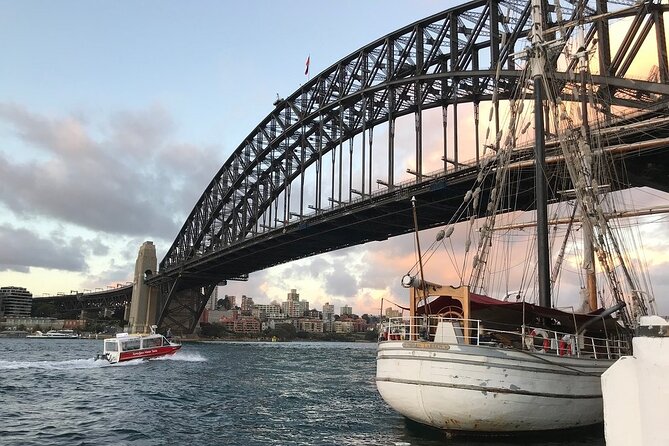
The best part of this Sydney photography course is that The Rocks becomes your classroom. Instead of standing at a lookout and taking the same postcard shot as everyone else, you learn how to make deliberate choices about light, framing, shutter speed, and exposure while photographing the Harbour Bridge, Opera House, and old sandstone lanes.
I like the small-group format, limited to 10 people, and the choice of an afternoon or nighttime class. I also like that the lesson is built around your own camera, so the advice should be useful long after you leave Sydney. The main drawback is simple: €154 is a serious price for two and a half hours, and you must bring your own camera and be comfortable carrying it around the area.
- Manual camera practice: Learn how aperture, shutter speed, exposure, and composition work together.
- The Rocks as a working studio: Photograph laneways, sandstone buildings, the Sydney Harbour Bridge, and the Opera House.
- Afternoon or nighttime timing: Pick the session that suits your schedule and the kind of light you want to work with.
- Small-group instruction: A maximum of 10 people leaves more room for questions and individual guidance.
- Professional photography input: The course is provided by Alfonso Calero Photography and includes course notes and practical advice.
- Useful planning details: Meet on Kendall Lane, return to the same point, and allow about 2 hours 30 minutes.
Why The Rocks Makes a Good Photography Classroom
The Rocks is a strong setting for a practical camera lesson because several kinds of subject sit close together. You can work with old sandstone buildings and narrow lanes, then turn toward major harbour landmarks. That gives you more than one type of photograph during a single session.
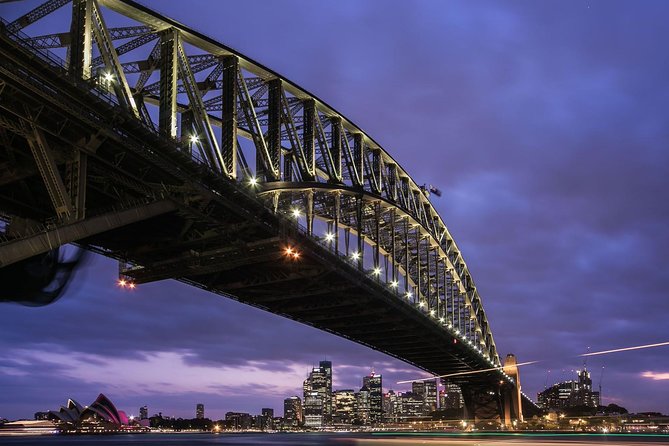
For a beginner, this variety matters. A historic wall can help you practise texture and close framing. A wide view toward the Opera House can test composition and the balance between foreground and background. The Harbour Bridge gives you strong lines, repeating structure, and a clear subject for experimenting with exposure.
You are not simply being shown a list of sights. The point is to use those sights to make better decisions with your camera. The guide can help you see how changing your position, shutter speed, or framing affects the result.
The Rocks Discovery Museum and other historic sites are spread around the laneways. You should expect to move between several spots rather than sit in one place for the whole class. That keeps the lesson active, though comfortable shoes are sensible because the experience takes place on foot around the district.
What You Learn With Your Own Camera
This is aimed at people who want more control than automatic mode provides. The focus includes manual settings, composition, exposure, shutter speed, and related camera choices. You bring your own digital camera, which makes the lesson practical from the start.
That point is important. A general talk about photography can be interesting but easy to forget. Working with the camera you already own means you can ask about the controls you actually use. You also leave with advice that should transfer directly to your future photographs.
Manual mode can feel confusing because several settings affect one another. A change to shutter speed can alter brightness and motion. Exposure choices affect how much detail appears in shadows and highlights. Composition determines where the eye goes first. A good instructor can help you connect these ideas instead of treating each camera control as a separate trick.
The course also includes tips on composition. That may be the most useful part for people who already know the basic buttons on their camera but still take flat or cluttered pictures. A change in viewpoint or a tighter frame often does more for a photograph than buying another lens.
Course notes are included, along with what is described as plenty of photography advice. Bring a pen if you like taking notes, but the key benefit is the time spent trying the settings yourself.
More Photography Workshops and Lessons in Australia:
- Paris Photography Masterclass – Private Photography Lesson
★ 5.0 · 112 reviews - 2-Hour Photography Class While Touring Downtown Santa Fe, Smart Phones Welcome!
★ 5.0 · 108 reviews - Unique Rome by Night, Photo Tour and Workshop Under the Stars
★ 5.0 · 96 reviews
Walking Through The Rocks
The first stop is The Rocks district itself. This is where the course gains its character. You are surrounded by laneways, historic sandstone buildings, and views toward the harbour, so the guide has room to adjust the lesson to your interests and skill level.
You might work on lines and angles around the older buildings, then shift to a wider scene that includes the bridge or Opera House. The setting gives you plenty to frame without requiring a long transfer between locations. That makes the two-and-a-half-hour duration feel focused rather than rushed by transport.
The historic buildings are useful for close and medium-distance compositions. Stone surfaces can help you think about texture, pattern, and light. Narrow lanes can also make you consider where the edges of the photograph lead the viewer. These are basic photographic ideas, but practising them in a real place is more helpful than hearing them explained indoors.
The area is also popular and active, so you may need to work around other people. That is part of the practical lesson. It gives you a chance to decide what belongs in the frame and what should be left out.
Harbour Bridge and Opera House Viewpoints
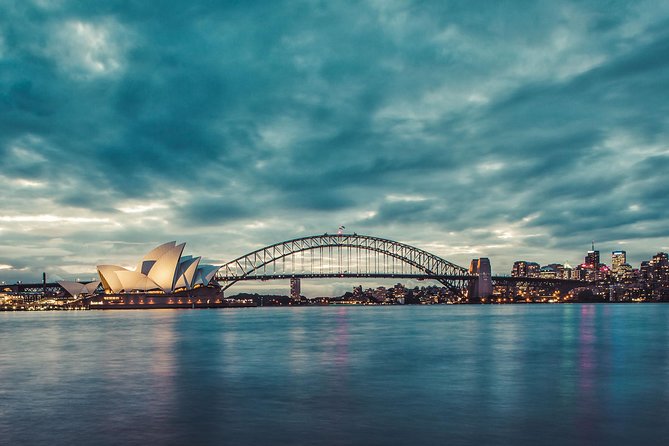
The course promises good photo positions for the Sydney Harbour Bridge and Sydney Opera House. These are familiar subjects, but familiar does not mean easy. The challenge is to avoid producing a picture that looks like every quick snapshot taken from the same spot.
The guide can help you consider how much of the surrounding scene to include. You might use a foreground element to give the image depth, or choose a tighter crop that makes the bridge structure more important. The Opera House offers a different set of shapes and curves, while the bridge gives you strong geometry and scale.
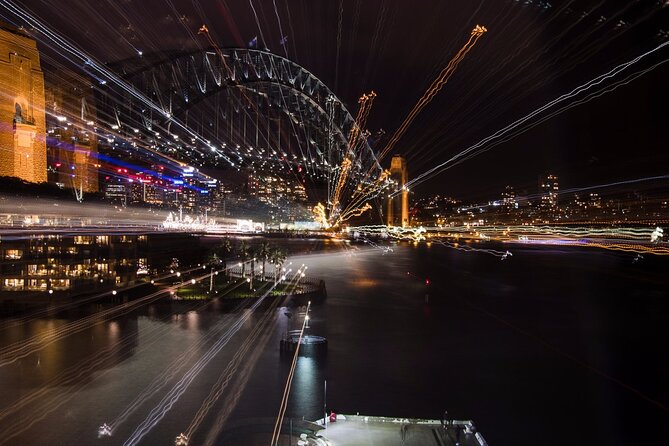
These viewpoints also make exposure practice worthwhile. Bright sky, darker buildings, reflective water, and artificial light can all affect the camera’s reading. The exact conditions will depend on the time and weather, but the setting gives you a useful reason to learn why the camera may not always choose the result you want.
Do not expect a private lookout or a completely empty frame. The value is in learning how to work with a famous subject, not in being guaranteed a unique view. Your guide’s advice on position and settings can help you make a more personal photograph from a well-known scene.
Afternoon or Nighttime Class
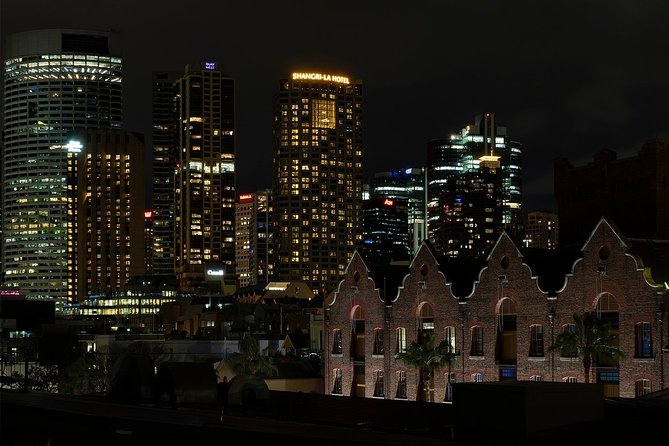
The choice of an afternoon or nighttime class is one of the most useful features for trip planning. It lets you fit the course around other Sydney sightseeing and choose the type of photography that interests you most.
An afternoon class should give you daylight conditions for working on detail, colour, building texture, and broad harbour views. It may suit you best if you are new to manual settings and want to see clearly how the camera reacts to changes.
A nighttime class gives you a chance to practise in lower light. That can make shutter speed and exposure more important, especially around illuminated buildings and harbour landmarks. It may also feel more demanding, since focusing and holding the camera steady can be harder when light levels fall.
The supplied information does not specify the exact start times or guarantee particular sunset conditions. Check the available session when booking. The weather policy also matters because the activity requires good weather. If poor conditions cancel the class, you are offered another date or a full refund.
More History Tours around Australia:
- Rome: Vespa Photo Tour with Historic City Highlights
★ 5.0 · 395 reviews - Hanbok Photoshoot and History Tour at Gyeongbokgung Palace
★ 5.0 · 276 reviews - Beacon Hill Boston History + Photo Walking Tour (SMALL Group)
★ 5.0 · 163 reviews - Private Photo Session in Historic Charleston
★ 5.0 · 123 reviews
How Much Value Is €154?
At €154, this is not a casual sightseeing walk with a few camera tips added on. The price needs to be judged against the personal instruction, the small group, the course notes, and the chance to practise on location.
A group of up to 10 people is small enough to make questions possible, though it is not a private lesson. Your experience will depend partly on how many other people attend and how much individual help you need. If you want one-to-one coaching for every photograph, this may not feel like the right price.
For someone who has recently bought a digital camera or keeps using automatic mode, the value can be stronger. You are paying for help with settings that can otherwise take a long time to understand alone. The lesson also takes place in one of Sydney’s most photogenic areas, so the sightseeing and instruction support each other.
The price is harder to justify if you already use manual mode confidently and mainly want a guided walk to scenic viewpoints. In that case, you may be paying for instruction you do not need. This experience makes the most sense when you want to improve your technique, not simply collect harbour photos.
Food and drinks are not included. Hotel pickup and drop-off are not included either, but that is less of a concern here because the meeting point is in The Rocks and the activity ends there.
Meeting at Kendall Lane

You meet at Kendall Lane, The Rocks NSW 2000, and return to the same meeting point at the end. This keeps the logistics clear and avoids the need to arrange a separate finish across the city.
The meeting point is near public transportation. You should still allow enough time to find Kendall Lane, since The Rocks has a network of lanes and historic streets that can be confusing if you are rushing. Keep your phone ticket available, as the experience uses mobile ticketing.
There is no hotel pickup, so you are responsible for reaching the starting point. That is a minor inconvenience for an activity based in central Sydney, but it is worth planning before the class begins. Arriving late could reduce your time with the guide.
Who Will Get the Most From This Course?
This course suits you best if you own a digital camera but do not yet feel fully in control of it. It is also a good fit if you understand basic settings but want practical help with composition and exposure.
You will likely get the most from it if you are willing to experiment. The course is designed around trying different techniques and seeing how the images change. Bring questions about your own camera, especially if there are controls you avoid using.
It may also work well for a photographer who wants to approach Sydney’s famous sights differently. The guide can help you look beyond a standard record shot and pay attention to framing, viewpoint, and light.
The course is less suited to someone looking for a relaxed sightseeing tour with little instruction. It is also not a good match if you do not own a camera, since bringing your own is required. Most people can participate, and service animals are allowed, but the experience involves moving around The Rocks rather than remaining in one place.
What the Strong Feedback Tells You
The strongest praise focuses on the teaching rather than the sightseeing alone. The course is described as informative, practical, and useful for learning new techniques. That matches the structure of the experience, which gives you time to see a subject, change a setting, and try the result.
Another highly praised point is the chance to view familiar places differently. That is an important distinction. You are not just collecting pictures of Sydney landmarks. You are being encouraged to think about how creativity and camera control can change an ordinary viewpoint.
Alfonso is described as friendly, approachable, and well informed about getting the most from a camera. That personal style matters in a small class. Photography questions can feel basic when you are starting out, so a patient guide is a real advantage.
The feedback also supports the price for people who want guidance rather than a simple walk. It does not mean the course will suit every photographer. The value depends on your current skill, your interest in manual settings, and how much you are prepared to practise during the session.
Booking, Weather, and Group Details
Confirmation is provided when you book. A minimum of two people per booking is required, and the maximum group size is 10. If the minimum number is not reached, you are offered another date or experience, or a full refund.
You can cancel for a full refund up to 24 hours before the start time. Cancellations or changes made less than 24 hours before the start are not accepted for a refund. The cut-off follows Sydney local time, so check the clock carefully if you are arranging plans from another time zone.
Because the class depends on good weather, leave some flexibility in your schedule if possible. Bad weather can affect outdoor photography and may lead to a new date or a full refund.
Should You Book the Sydney Photography Course?
Book this if you want to learn how to use your own camera while photographing Sydney’s most recognisable sights. The combination of The Rocks, harbour viewpoints, manual-mode practice, and a small group gives the class a clear purpose.
I would especially recommend it for beginners and improving photographers who want direct help with exposure, shutter speed, and composition. The afternoon and nighttime choices make it easier to fit into a Sydney visit, while the course notes give you something to refer to afterward.
Think twice if you only want a scenic walk, do not own a camera, or already work confidently in manual mode. At €154, the instruction must be the main reason you book. If that is what you want, this is a focused way to turn a few famous Sydney views into useful photography practice.
FAQ
How long does the Sydney photography course last?
The experience lasts approximately 2 hours and 30 minutes.
Where does the course begin?
It begins at Kendall Lane, The Rocks NSW 2000, Australia.
Where does the activity finish?
The activity ends back at the meeting point on Kendall Lane.
Do I need to bring my own camera?
Yes. You need to bring your own digital camera.
How many people can join the class?
The maximum group size is 10 people, and a minimum of two people per booking is required.
Are afternoon and nighttime sessions available?
Yes. You can choose an afternoon or nighttime class when selecting the experience.
What happens if bad weather cancels the course?
If poor weather causes cancellation, you are offered a different date or a full refund.
Just added around Australia
- Photography and Nature in Cairns Botanic Gardens Let’s Go Buggin★ 5.0 · 19 reviews
- Afternoon Brisbane Photography Courses★ 5.0 · 2 reviews
- Sydney: Personal Travel & Vacation Photographer★ 5.0 · 7 reviews
- Romantic photoshoot for couples in Sydney★ 5.0 · 2 reviews
- Professional photoshoot at The Rocks in Sydney★ 5.0 · 4 reviews
- Melbourne: City Photoshoot/Photowalk around CBD★ 4.9 · 9 reviews
- Melbourne: Brighton Beach/Bathing Boxes Photoshoot★ 5.0 · 2 reviews
- Gold Coast: 30-Minute Jet Ski – No Slow Zones – Free Photos★ 4.7 · 49 reviews
Photography Workshops & Lessons, side by side.
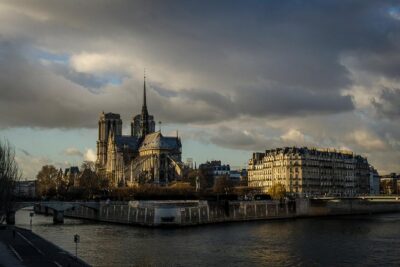
Paris Photography Masterclass – Private Photography Lesson
Read our review →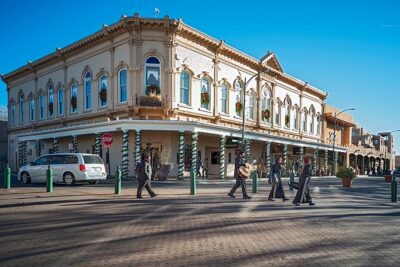
2-Hour Photography Class While Touring Downtown Santa Fe, Smart Phones Welcome!
Read our review →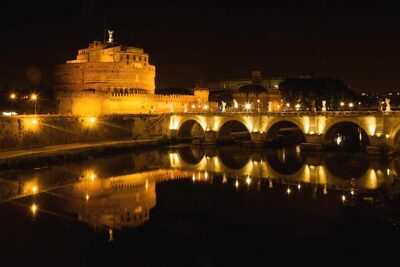
Unique Rome by Night, Photo Tour and Workshop Under the Stars
Read our review →
Elevate Your Photography – Barcelona Private Tour & Workshop
Read our review →
Rome Photography Masterclass – Private Photography Lesson
Read our review →
Private (Phone) Photography Class in Park & Old Town
Read our review →
Venice Photography Masterclass – Private Photography Lesson
Read our review →