
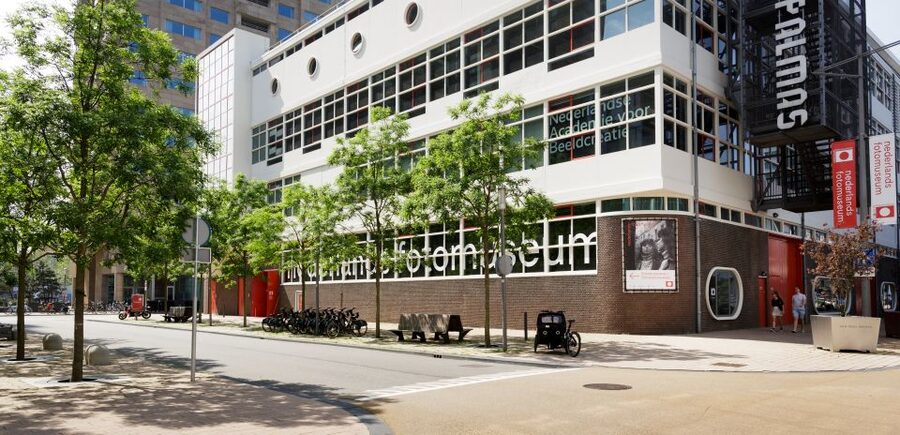
Review · MUSEUMS
Rotterdam: National Museum of Photography Entrance Ticket
The National Museum of Photography gives you a compact way to follow Dutch photography from its beginnings in 1842 to experimental and contemporary work today. The most important stop is the Gallery of Honour, where 99 iconic photographs explain how the medium changed and how Dutch photographers helped shape it.
I like the scale of the collection, more than six million photographs and objects, and I like the mix of permanent and temporary displays. You can return to familiar names and ideas in the Gallery of Honour, then see new work in five to seven changing exhibitions each year. The main caution is language: some exhibition material may be presented only in Dutch or another language, as happened with a display about Turkish women who moved to the Netherlands.
Key points to know before you go
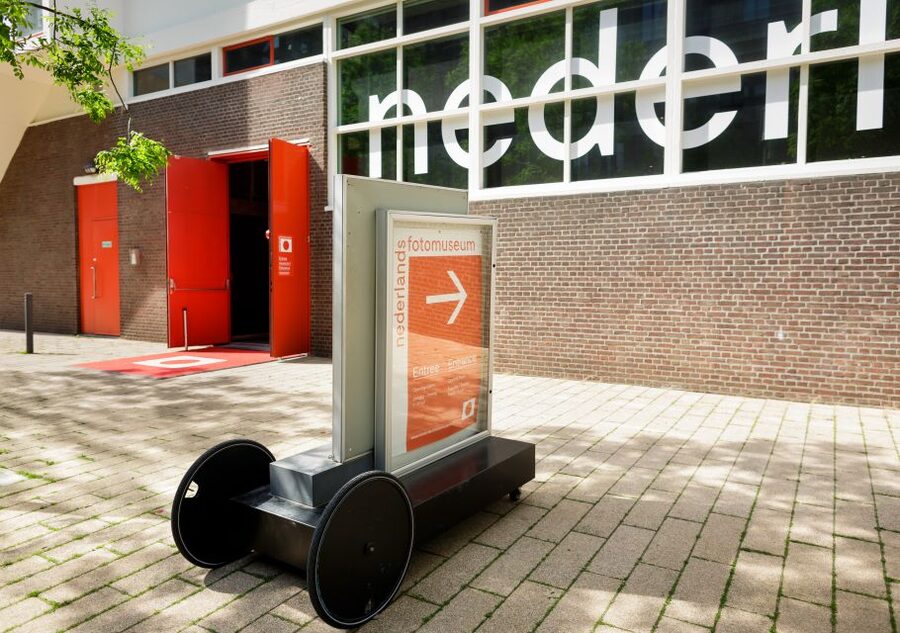
- Ninety-nine key photographs: The Gallery of Honour traces Dutch photography from 1842 through major technical and artistic changes.
- Six million objects: The museum protects photographs and archives from 175 Dutch photographers and collections.
- Five to seven changing exhibitions yearly: Temporary displays add current work and major photographers to the permanent presentation.
- English and Dutch app: Download the self-guided audio application on arrival for added context, when available.
- A one-day ticket: The $18 admission gives you time to visit the permanent gallery and temporary exhibitions at your own pace.
- A language point to consider: Not every exhibition text is guaranteed to be in English, so the app may be especially useful.
Why the Gallery of Honour is the museum’s anchor
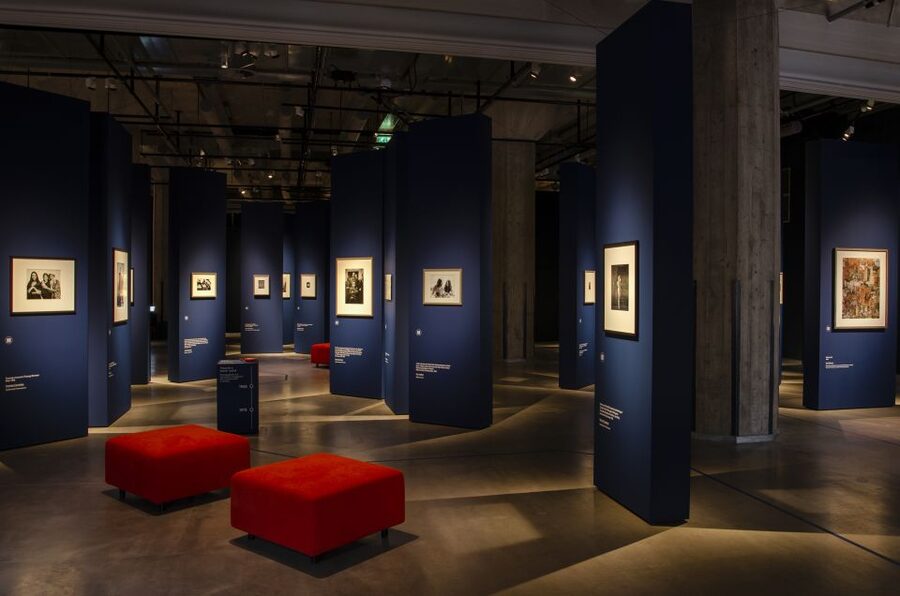
Start with the Gallery of Honour of Dutch Photography. It presents 99 works selected to tell a larger story, not simply to hang a row of attractive pictures on a wall.
The display begins with the invention of photography and follows the medium through major changes. You see how photographers moved from early documentary work toward new technology, unusual techniques, and more personal forms of expression.
That arrangement gives you a helpful framework. Instead of looking at each photograph as an isolated object, you can ask what changed from one period to the next. Did photographers gain new technical freedom? Did they use photography to document daily life, question society, or test what a photograph could be?
I especially like this part for a first visit because it gives you a clear route through 180 years of Dutch photography. You do not need to arrive with a long list of photographers in your head. The 99 works supply an introduction, and the app can add background as you move through the gallery.
The Gallery of Honour is also the most dependable part of the visit. Temporary exhibitions change, but this permanent presentation gives you a fixed reason to return to the museum. If your time in Rotterdam is short, make this your priority.
More Museum Visits around the Netherlands:
- Amsterdam: Foam Photography Museum Admission Ticket
★ 4.2 · 141 reviews - Amsterdam: Instagram Scenic Photo Spots & Moco Museum Tour
★ 5.0 · 2 reviews - Berlin: Fotografiska Photography Exhibition Ticket
★ 4.6 · 168 reviews
Six million photographs, but what does that mean for you?
The museum’s collection contains more than six million objects and 175 archives of Dutch photographers. That number is too large to take in during one visit, and the museum does not ask you to try.
The real value of this collection is preservation. Photographs are fragile records of people, places, events, and private lives. By caring for such a large body of material, the museum protects more than famous images. It also guards the less celebrated photographs that help explain Dutch society and heritage.
You may see only a small part of this enormous holding during your visit. That is normal. Think of the museum as a public window into a much larger archive, with the exhibitions choosing useful examples for you to see.
This matters if you enjoy photography as a record of everyday life. It also matters if you are interested in how a country presents itself and remembers its past. The collection connects personal pictures, documentary work, experimental photography, and contemporary practice.
The museum also frames Dutch photography in an international context. That makes the visit broader than a simple national survey. You are looking at Dutch photographers, but you are also seeing how local image-making responds to wider artistic and social changes.
How to use the app without losing the photographs
Download the museum application when you arrive. It provides a self-guided audio tour, with English and Dutch available, and can help explain the stories behind important images.
I recommend using it selectively. Listen to the sections that catch your attention, then spend a little time looking without audio. Photography works best when you give an image a quiet moment before moving on to the next explanation.
The app is particularly useful for the Gallery of Honour because the works form a connected story. It can help you understand why a photograph is included and what innovation or change it represents.
The application may also help with language. English is available for the audio guide, but printed exhibition information is not guaranteed to appear in English throughout the museum. One display about Turkish women who moved to the Netherlands used Turkish and Dutch subtitles, which could leave English-speaking visitors with less context.
That point is worth taking seriously when you judge the admission price. If you rely on wall labels for every exhibition, the visit may feel less satisfying. If you are comfortable using the app and looking closely at the work itself, you can get more from the museum.
Temporary exhibitions bring the collection into the present
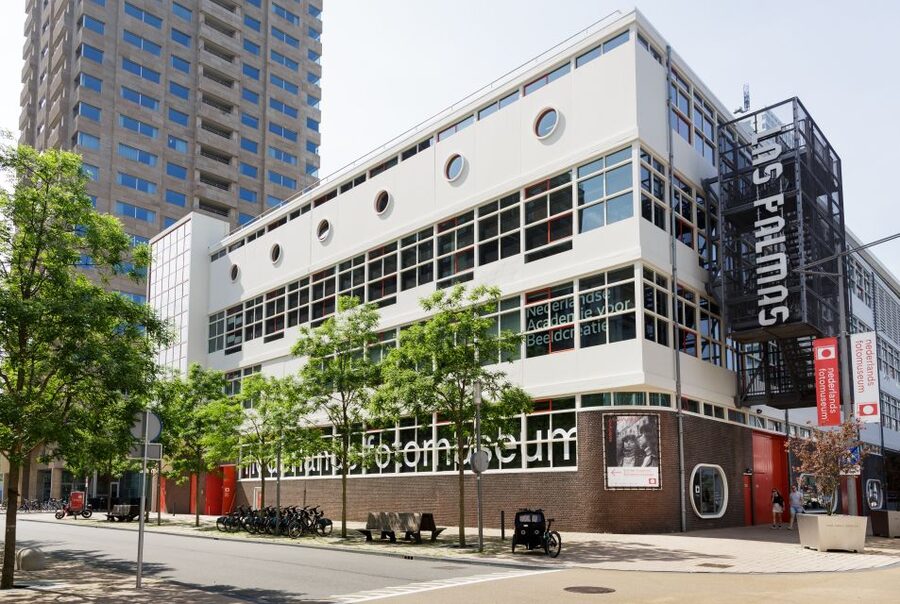
Alongside the permanent Gallery of Honour, the museum presents five to seven changing exhibitions each year. These shows can focus on major Dutch photographers, specific themes, or newer approaches to the medium.
The program includes work by important photographers such as Ed van der Elsken and Johan van der Keuken. Their inclusion gives the museum a link between its historical survey and the more focused displays in the temporary galleries.
The changing exhibitions are one reason I would not treat this as a one-time visit only. The permanent gallery gives you the broad outline, while the temporary program lets you spend more time with a particular photographer or subject.
Two consecutive series are also part of the program. The available information does not specify their exact themes or dates, so you should check what is showing before booking if a particular exhibition is your main reason for going.
This is where the museum can feel different from visit to visit. A photography fan may find a temporary show more rewarding than the permanent displays, while someone interested in Dutch history may prefer the chronological Gallery of Honour.
Because the exhibitions change, check the current program before paying. At $18, the ticket is reasonable if you plan to see both the permanent and temporary sections. It is less convincing if you are interested in only one small display and spend little time with the rest of the museum.
More Entry Tickets around the Netherlands:
- Ubud: Tegalalang Rice Terrace Photos Tour with Swing Ticket
★ 4.7 · 177 reviews - Berlin Museum of Photography Entry Ticket
★ 4.5 · 88 reviews - Los Angeles: Academy Museum of Motion Pictures Ticket
★ 4.7 · 84 reviews - Park Guell Private Photoshoot with Skip the Line Ticket
★ 5.0 · 75 reviews
Experimental work asks more of you
The museum presents photography in many forms, including documentary, experimental, and contemporary work. The experimental section may be the most challenging part for anyone expecting a straightforward collection of historical photographs.
Here, the point is not always to show a clear scene or tell an immediate story. The work may make you think about the limits of the camera, the role of technology, or the difference between a photograph and another kind of image.
I like having this contrast in the same museum. The Gallery of Honour gives you a historical structure, while experimental displays remind you that photography is not a finished art form. It keeps changing as photographers test new tools and new ideas.
Still, this section will not suit everyone equally. If you prefer recognizable subjects and clear historical explanations, some work may feel less accessible. Give it time, but do not feel obliged to like every piece. The museum is more useful when it lets you compare different approaches rather than pushing one idea of what photography should be.
Stories of migration and the limits of translation
The museum also presents photography as a way to tell personal and social stories. One exhibition in the main hall focused on Turkish women who moved to the Netherlands and used family photographs to explore their lives and memories.
That subject can add a human side to the visit. Family photographs often carry meaning that goes beyond composition or technique. They can show how people remember a move, preserve family ties, and build a sense of home in a new country.
The practical issue is language. The subtitles for this display were in Turkish or Dutch, with no English translation available. If you cannot read either language, you may understand the visual story but miss important details in the accompanying text.
This is not a reason to avoid the museum, but it is a reason to set your expectations. The English audio guide is included, when available, yet it may not cover every temporary display in equal depth. Ask at the museum about the current language support if a particular exhibition matters to you.
How long should you plan for?
The admission is valid for one day, and you can check available starting times when booking. The ticket does not force you into a short guided group visit, so you can set your own pace with the app and exhibition guides.
The supplied information does not give a fixed visit length. I would allow enough time for the Gallery of Honour, at least one temporary exhibition, and the app content that interests you. Photography can look quick at first, but the strongest works often reward a slower look.
If you are a serious photography fan, you will likely want more time because the collection covers 180 years and several styles. If you are adding the museum to a busy Rotterdam day, concentrate on the Gallery of Honour and the temporary exhibition that best matches your interests.
There is no need to rush from room to room. The one-day validity gives you flexibility, though the ticket information does not state that you may leave and re-enter. Treat the visit as one museum session unless the staff confirms otherwise.
Food and drinks are not included. Plan that separately, especially if you are building the museum into a full day in Rotterdam.
Is the $18 ticket good value?
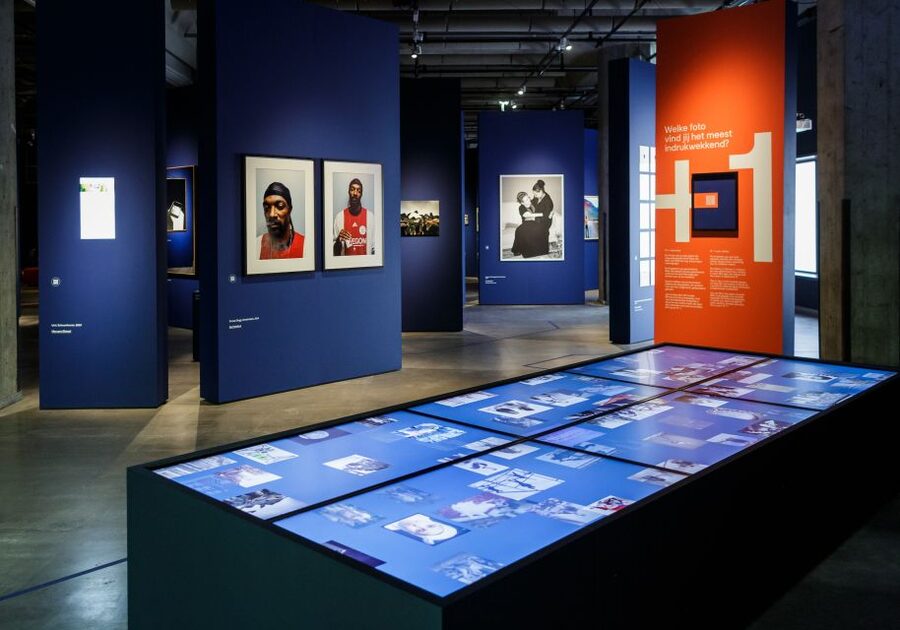
At $18 per person, the price is fair for a museum with a permanent gallery, rotating exhibitions, and access to a collection of six million objects. The value improves if you take time with both the Gallery of Honour and the temporary displays.
You are paying for more than a room of famous photographs. The museum preserves Dutch photographic heritage, introduces 180 years of change, and connects historic work with experimental and contemporary photography.
The price feels less attractive if you expect every display to have full English text or if you plan only a very short visit. The language limitation in at least one exhibition is a genuine consideration for English-speaking visitors.
The reserve-now-and-pay-later option also helps if your schedule is still moving. Free cancellation is available up to 24 hours in advance for a full refund, so you can keep the booking flexible without paying immediately.
The overall rating is 3.8 from 24 reviews, which suggests a solid but not universally satisfying visit. That fits the nature of the museum: the permanent gallery has broad appeal, while temporary exhibitions and language support can shape your experience quite a bit.
Who will enjoy this museum most?
I would recommend this museum to anyone who enjoys photography, Dutch cultural history, archives, or the way ordinary lives are recorded in pictures.
It is especially suitable for:
- Photography students and serious hobbyists who want a historical framework.
- Museum visitors who like changing exhibitions rather than only permanent collections.
- People interested in Dutch heritage and the development of visual media.
- Visitors who enjoy self-guided touring and prefer to choose their own pace.
- Anyone curious about the line between documentary, experimental, and contemporary photography.
It may be less suitable if you want a fully guided visit with a named guide leading a group. The experience is self-guided, and the host languages are Dutch and English. It may also disappoint if you need complete English translation for every temporary exhibition.
The museum is wheelchair accessible, which makes the visit practical for people who need step-free access. Food and drinks are not part of the admission, so plan a separate break.
My advice before booking
Check the temporary exhibition schedule first. The permanent Gallery of Honour is a dependable reason to go, but the current displays can make the difference between a good visit and a very good one.
Download or use the app for the English or Dutch audio tour, and do not assume every wall label will be in English. If you are mainly interested in iconic Dutch photography, head first to the 99 works in the Gallery of Honour.
I would book this for $18 if you have a real interest in photography or want a thoughtful indoor stop focused on Dutch culture. I would skip it if you are looking for a quick collection of famous images with complete English explanations and little need for context.
FAQ
Where is the National Museum of Photography?
The experience takes place at the Nederlands Fotomuseum in Rotterdam, in South Holland, Netherlands.
How much does admission cost?
The listed price is $18 per person.
How long is the ticket valid?
The ticket is valid for one day. Available starting times can be checked when booking.
What does the ticket include?
Admission includes the permanent Gallery of Honour and rotating temporary exhibitions. Exhibition guides and the application are included when available.
Is an audio guide available?
Yes. An audio guide is included in English and Dutch through the museum application.
How many photographs are in the museum’s collection?
The museum holds more than six million photographs and objects, along with 175 archives of Dutch photographers.
Is the museum wheelchair accessible?
Yes. The activity is listed as wheelchair accessible.
Can I cancel the booking?
Yes. You can cancel up to 24 hours in advance for a full refund. A reserve-now-and-pay-later option is also available.
Just added around the Netherlands
- Exceptional Photography Experience★ 5.0 · 6 reviews
- Vacation Photoshoot & Tour in Amsterdam★ 5.0 · 36 reviews
- Personalized Amsterdam Photoshoot with Professional Photographer★ 5.0 · 2 reviews
- Professional Tinder Photo Session in Amsterdam★ 5.0 · 4 reviews
- Memories for life – Photo shoots in Amsterdam with a professional photographer★ 5.0 · 5 reviews
- Personal Travel and Vacation Photographer Tour in Amsterdam★ 5.0 · 15 reviews
- Romantic Photoshoot Experience for Couples in Amsterdam★ 5.0 · 4 reviews
- See Shoot Share | Photo Tour★ 5.0 · 8 reviews
Museums, side by side.
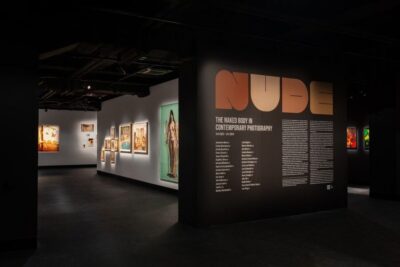

Ticket for Photography Exhibitions at C/O Berlin
Read our review →
Louvre Museum (Essential) – 2-hour visit in Portuguese with a photo session
Read our review →
Pyramids, Egyptian Museum & Bazaar With Photographer
Read our review →Lists this one turns up in