
Review · MUSEUMS
Mapfre Foundation Madrid – Photography Exhibitions
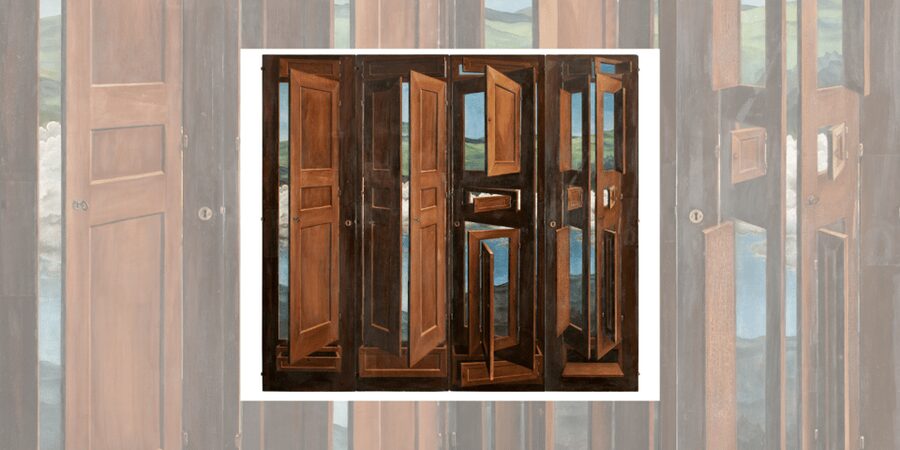
Anders Zorn’s portraits, watercolors, prints, and nudes meet Helen Levitt’s quiet photographs of New York street life at Fundación MAPFRE. The pair makes for an appealing art stop because the exhibitions move from polished European painting to quick, human moments caught on city streets.
I like the excellent mix of painting and photography, and I like that the admission is only $5 per person. The free audio guide in English or Spanish adds useful context without forcing you into a group tour.
The main thing to check is the admission arrangement before you go. One dated booking comment reported being charged for entry when the visitor believed admission was free, so confirm the current price and ticket conditions. You’ll also need a phone, mobile internet or the free Wi-Fi, and headphones for the guide.
Key points to know before you go
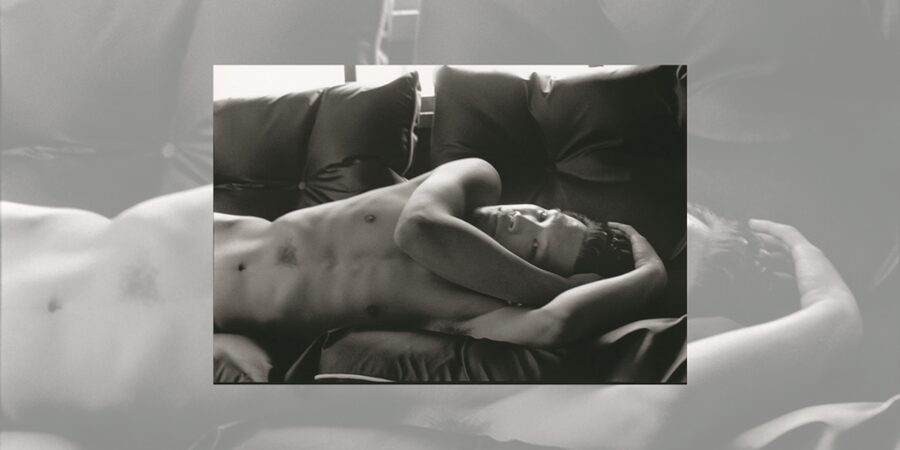
- Anders Zorn until May 17, 2026: Follow the Swedish artist from early watercolors and Parisian Impressionist influence to portraits, prints, nudes, and scenes from Mora.
- Helen Levitt’s New York: See nearly 200 photographs arranged across nine sections, covering more than seven decades of work.
- A useful free audio guide: Scan the QR code in the exhibition rooms and listen in English or Spanish.
- Good value for art fans: The $5 price gives you access to temporary displays and the foundation’s wider art program.
- Bring your own headphones: You can buy basic jack-style headphones for €1, but supply may be limited.
- Flexible one-day validity: Your ticket is valid for one day, and cancellation is allowed up to 24 hours before the visit.
Two exhibitions, two very different ways of seeing
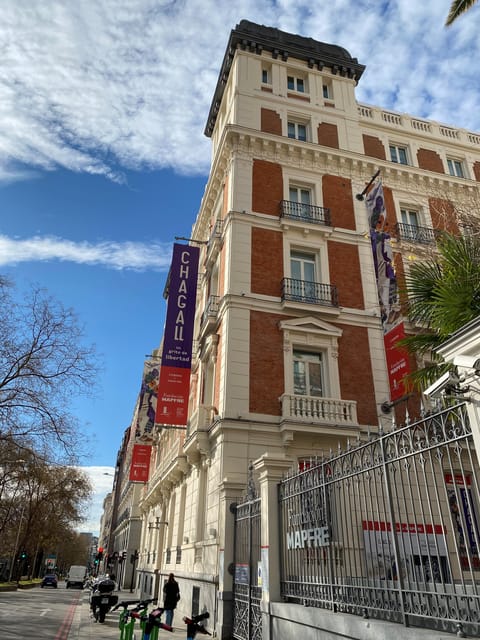
Fundación MAPFRE gives you a chance to compare two artists who worked in very different ways. Anders Zorn was known for polished painting, portrait commissions, watercolors, prints, and nudes. Helen Levitt built her reputation through photographs of ordinary New York streets, especially children at play and people in working-class neighborhoods.
That contrast is the real reason I would put this museum on your Madrid list. You are not simply moving through one painter’s career or one photographer’s style. You are shifting between controlled brushwork and quick observation, formal portraits and unplanned street scenes.
The displays also cover painting, photography, and sketches, with attention to art from the late 19th century through the mid-20th century. That period gives the visit a clear frame. You can watch artists respond to changing cities, new forms of travel, new public life, and the growing importance of photography.
The current temporary exhibitions are scheduled through May 17, 2026. If you are visiting after that date, check what has replaced them before booking, since the appeal of this experience depends heavily on the temporary program.
More Museum Visits around Madrid:
- Berlin: Fotografiska Photography Exhibition Ticket
★ 4.6 · 168 reviews - Amsterdam: Foam Photography Museum Admission Ticket
★ 4.2 · 141 reviews - Paris: Private Photoshoot Outside the Louvre Museum
★ 4.8 · 139 reviews
Anders Zorn from Sweden to the wider world
The Anders Zorn exhibition follows an artist who began with a humble background and later painted kings, presidents, and celebrities. His career took him from early watercolors to England, then to Paris, where Impressionist ideas helped shape his work and public reputation.
You can expect to see several sides of Zorn rather than only his best-known portraits. His work in oil and watercolor shows his control of light and surface, while the prints reveal another part of his practice. His celebrated nudes are also part of the story, so this is not a display limited to official portraiture.
The exhibition then follows Zorn’s travels to the United States and his return to Mora in Sweden. That return matters because his subject matter shifted toward everyday Swedish life. Instead of focusing only on the international elite, he also looked closely at the place he came from.
His Spanish works add another useful thread. The exhibition connects Zorn with Joaquín Sorolla, the Spanish painter known for bright outdoor scenes and energetic brushwork. Even if you do not know either artist well, this link helps you see how artists from different countries responded to similar ideas about light, movement, and modern life.
One featured work is Midnight from 1891. The painting is credited to Zornmuseet in Mora. Its inclusion helps anchor the show in a specific moment of Zorn’s career, while the wider display lets you compare it with his portraits, watercolors, prints, and Spanish subjects.
I would allow time here to look beyond the famous names. Zorn’s career is interesting because it was not a straight line from local artist to international success. The exhibition shows how travel, commissions, artistic exchange, and a return home all shaped what he made.
Helen Levitt and the poetry of ordinary streets
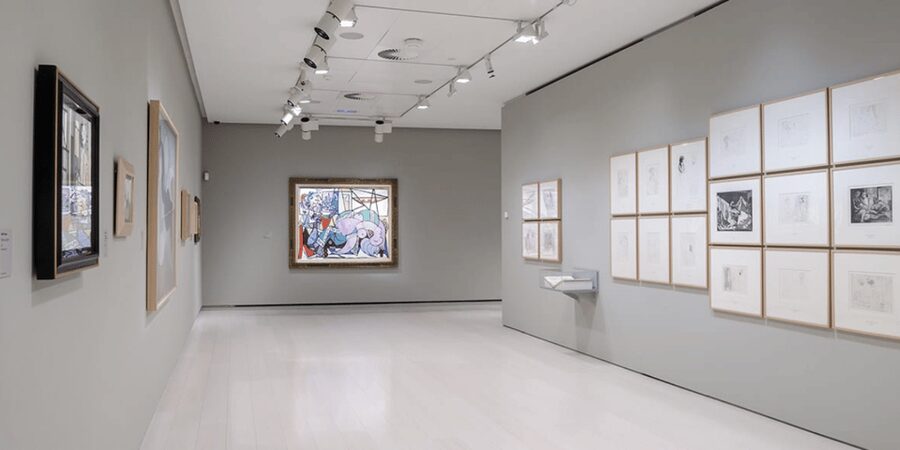
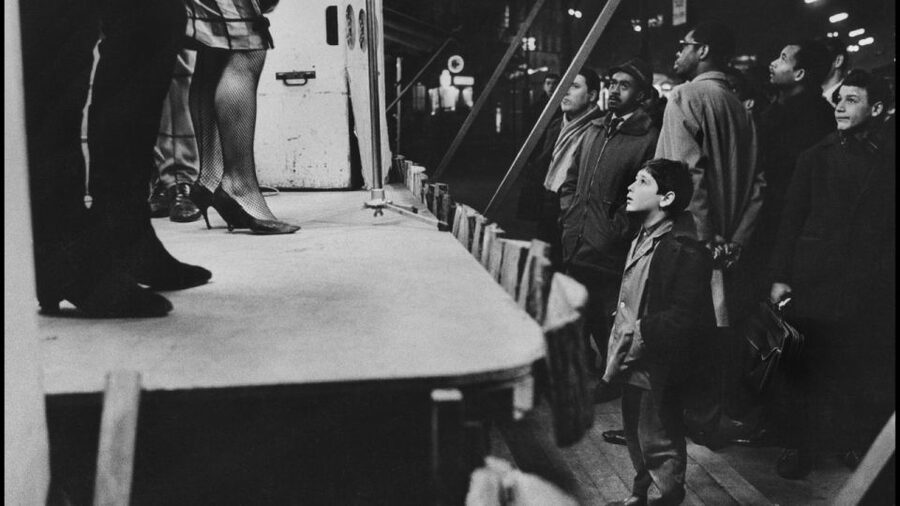
Helen Levitt spent more than seven decades developing a personal view of urban life. She began photographing in the late 1930s, focusing on New York streets, children’s games, everyday gestures, and working-class neighborhoods.
The exhibition brings together nearly 200 works in nine sections. That scale gives you more than a quick sample of her photography. You can follow her from early photographs into her cinematic work and see how her approach changed over time.
Levitt’s photographs are especially rewarding when you look for small actions rather than grand events. A child at play, a person caught in a passing gesture, or a group gathered on a street can tell you a great deal about a neighborhood without a long explanation.
The exhibition also presents Levitt as a pioneer in urban photography with a strong social commitment. That does not mean every image is heavy or solemn. Her work can be playful, sharp, and poetic, which makes the display approachable even if you are not a regular photography museum visitor.
New York, circa 1940 is one of the featured photographs. It is credited to Film Documents LLC, courtesy of Zander Galerie in Cologne. The image belongs to the period when Levitt was building her reputation through close observation of city life.
I like the way this exhibition can slow you down. You may spend more time with a small photograph than with a large painting because Levitt’s pictures reward careful looking. The nine-section layout should also help you keep track of her changing interests instead of seeing the collection as one long row of similar street scenes.
Why the pairing works so well
Zorn and Levitt do not appear to share an obvious subject. One became famous for portraits, watercolors, prints, and paintings. The other worked mainly with photography and urban observation. Yet both artists paid close attention to people and the way they occupy a place.
Zorn often worked through a formal artistic process. A portrait could involve a known sitter, a planned composition, and a polished finish. Levitt often found her pictures in the middle of daily life, where a moment could vanish before she had another chance to frame it.
That difference gives you something to think about as you move through the building. Ask yourself what changes when an artist plans an image compared with when an artist discovers one. Look at how each artist uses light, gesture, clothing, and setting.
I would visit the exhibitions in the order that feels natural for the space, but I would not rush from one to the next. Give Zorn time for his range, then allow Levitt’s quieter photographs to reset your pace. The contrast is more rewarding when you do not treat the museum as a quick checklist.
More photo tours and shoots in Madrid:
- Photographic tour of Madrid with a professional photographer
★ 5.0 · 104 reviews - Madrid: Private Photoshoot at the Retiro Park
★ 4.9 · 76 reviews - Explore Madrid by bike taking photos with Benja
★ 5.0 · 65 reviews - Vacation photographer. Madrid Photo Shoot. Take home more than just a selfie!
★ 5.0 · 40 reviews
The audio guide and how to use it
The standard ticket includes a free audio guide in English and Spanish. You access it by scanning a QR code available in the rooms, so the guide is delivered through your own mobile device rather than through a separate rental handset.
You need an active mobile internet connection to use it. If your phone does not have mobile data, free Wi-Fi is available in the space. I would connect before getting too far into the exhibitions, since this is one small task best handled at the start.
Headphones are required so the sound does not disturb other people. Bring your own pair if you can. Basic jack-style headphones are available for €1 at the ticket desk, but you may have to wait if none are immediately available.
The audio guide is useful if you want background on the artists and the works, but you do not have to listen to every section. I would use it selectively. Start with the overview, then choose the paintings or photographs that catch your eye. That keeps the visit personal instead of turning it into an information marathon.
There are no named guides listed for this experience, and it is not presented as a guided group tour. You are free to set your own pace, which suits people who prefer to pause in front of one work or move quickly through pieces that do not interest them.
Price, timing, and practical value
The stated price is $5 per person. For access to two major temporary exhibitions, along with the foundation’s wider art displays and a free audio guide, that is a modest cost for a museum visit in Madrid.
The value is strongest if you enjoy both art and photography. A visitor interested only in contemporary photography may find the Zorn exhibition less appealing, while someone looking only for traditional painting may spend less time with Levitt. The two shows together make the ticket more useful than either subject alone.
The activity is valid for one day rather than tied to a tightly described schedule. Check availability for starting times when you book. The supplied information does not state how long the museum visit itself takes, so I would not plan your whole day around an assumed visit length.
You exchange your voucher at the ticket desk. This is simple, but it means you should leave enough time to handle entry, connect to the Wi-Fi if needed, and prepare your headphones before beginning.
Cancellation is free up to 24 hours in advance, and you can reserve now and pay later. That flexibility helps if your Madrid plans are still shifting. Still, check the current admission wording carefully. One dated comment described confusion over being charged when the person expected free entry, so do not rely on an old assumption about the price.
Who will enjoy this Madrid art stop
I would recommend Fundación MAPFRE to you if you want an art visit that is focused but not narrowly limited to one medium. The Zorn exhibition suits anyone interested in European painting, portraiture, watercolor, printmaking, or the links between Swedish and Spanish art.
The Levitt exhibition is a good choice if you like street photography, New York history, children’s games, social observation, or photographs that reward patience. Its nearly 200 works give you enough material to see the photographer’s career as a whole.
This is also a practical choice for independent visitors. You are not locked into a guide’s pace, and the audio guide is available in English or Spanish. The low price makes it easier to add to a day of museums without making a large commitment.
You may want to choose another attraction if your main goal is a large historic collection with many rooms of permanent European masterpieces. The information provided here points to a program centered on temporary exhibitions, photography, and art from the late 19th to the mid-20th century. Check the current displays if that distinction matters to you.
The venue is wheelchair accessible. That makes it a more manageable option for visitors who need an accessible cultural stop, though the provided information does not specify details about every room or facility.
Is Fundación MAPFRE worth booking?
Yes, I would book it if the Anders Zorn and Helen Levitt exhibitions fit your dates and interests. The combination is unusual, the price is low, and the free audio guide gives you more context without adding another fee.
The best reason to go is the contrast between Zorn’s international career and Levitt’s close view of ordinary urban life. Add the Mora connection, the Sorolla link, Levitt’s nine-section display, and the chance to see nearly 200 photographs, and this becomes more than a quick gallery stop.
Before paying, verify the current admission price and date. Bring headphones, make sure your phone can connect to the internet, and allow enough time to exchange your voucher at the desk. If you do those few things, you can settle into the exhibitions without much fuss.
FAQ
Where is Fundación MAPFRE located?
It is located in the Community of Madrid, Spain.
How much does the experience cost?
The stated price is $5 per person.
How long is the ticket valid?
The ticket is valid for one day. You should check availability for the available starting times.
What exhibitions can I see?
Until May 17, 2026, the temporary exhibitions include Anders Zorn: Traveling the World, Remembering the Land and Helen Levitt.
What does the Anders Zorn exhibition cover?
It follows Zorn’s career from his early watercolors and work in England to Paris, the United States, his return to Mora, his everyday Swedish subjects, his Spanish works, and his connection with Joaquín Sorolla.
How many works are included in the Helen Levitt exhibition?
The exhibition brings together nearly 200 works arranged across nine sections.
Is an audio guide included?
Yes. The standard ticket includes a free audio guide in English and Spanish.
Do I need mobile data to use the audio guide?
You need an active mobile internet connection, but free Wi-Fi is available at the foundation if you do not have mobile data.
Do I need headphones?
Yes. Headphones are required. You can bring your own or purchase jack-style headphones for €1 at the ticket desk, subject to availability.
Just added around Madrid
- Madrid: Retiro Park Guided Tour with a Photographer★ 5.0 · 7 reviews
- Madrid: Plaza Mayor & Royal Palace Photoshoot★ 4.9 · 7 reviews
- Madrid: Professional photoshoot at The Royal Palace★ 5.0 · 5 reviews
- Madrid: Private Photo Shoot and Professional Images★ 5.0 · 3 reviews
- Madrid: Professional photoshoot in the Retiro park★ 5.0 · 4 reviews
- Madrid: Private PhotoShoot with a Professional Photographer★ 5.0 · 6 reviews
- Madrid: Photoshoot in the Best Central Locations★ 4.5 · 2 reviews
- Madrid: Private Photoshoot with a Professional Photographer★ 5.0 · 8 reviews
Museums, side by side.

Ticket for Photography Exhibitions at C/O Berlin
Read our review →
Rotterdam: National Museum of Photography Entrance Ticket
Read our review →
Louvre Museum (Essential) – 2-hour visit in Portuguese with a photo session
Read our review →Lists this one turns up in