
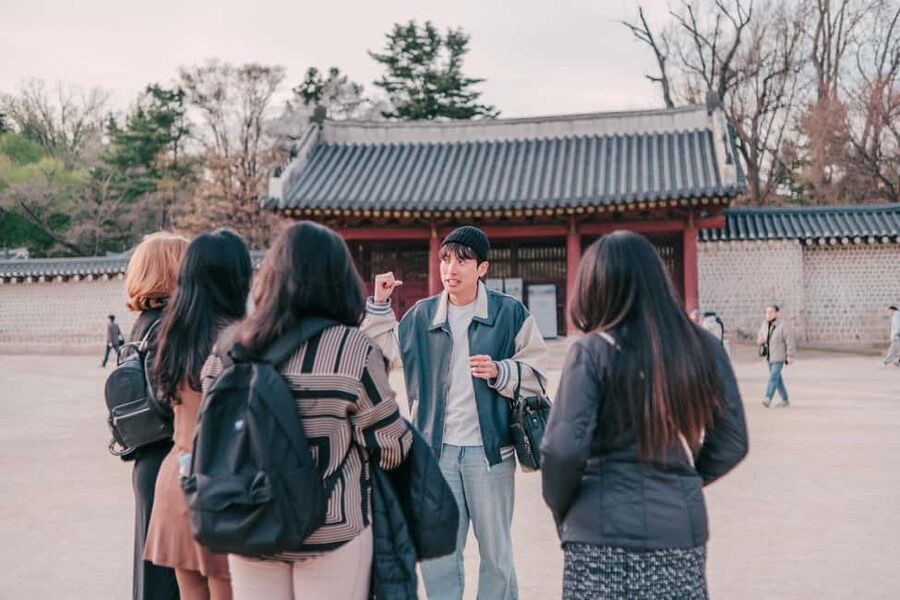
Review · HISTORICAL TOURS
Seoul: Street Photoshoot and Hidden Gem History Walking Tour
Seoul’s old center looks especially good at walking speed, and this tour pairs its most photogenic streets with a proper history lesson. You move from the old lanes of Ikseon-dong to Jongmyo Shrine, Sewoon Arcade, and Cheonggyecheon, with a photographer helping you look natural rather than simply pointing a phone at you.
I like the mix of history and photography, especially for solo visitors who usually return home with plenty of scenery and very few pictures of themselves. I also like the small group of no more than 10 people, plus the helpful touch of edited, color-corrected photos delivered by download.
The main consideration is the walking. The route lasts about two hours and includes several outdoor stops, so comfortable shoes and weather-ready clothing matter. This is not a good fit for wheelchair users or people with mobility impairments.
Key points at a glance
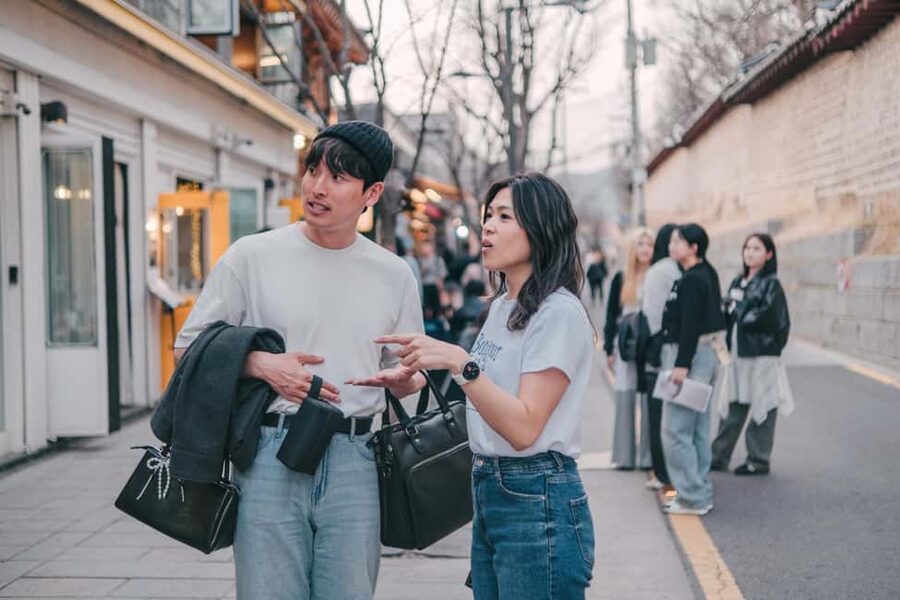
- Jongno’s old and new sides: See traditional hanok lanes, a royal-era shrine, a major stream, and the industrial character of Sewoon Arcade.
- James and Jacob as guides: Expect English or Korean guiding, historical storytelling, and help with posing and comfort during the photo session.
- Professional photos included: Edited images arrive through a Microsoft OneDrive link, available for one month.
- Golden-hour timing: Starting later in the day can give you softer light around Cheonggyecheon and Ikseon-dong.
- A useful solo-travel choice: You get company, cultural context, and photographs without arranging a private session.
- $44 value: The price makes the most sense if you want both a guided walk and a set of finished portraits.
Starting at Jongno 3-ga, Exit 5
You meet at Jongno 3-ga subway station, Exit 5. This is a practical starting point because Jongno is one of the best parts of central Seoul for seeing old neighborhoods beside newer city life.
Allow a few minutes to find the correct exit and gather before setting off. The group is capped at 10 people, which should make it easier to hear the guide and take turns with the photographer. It also avoids the slow, anonymous feel of a large bus tour.
The activity is listed as two hours, though the description allows for a two-to-three-hour outing. That small difference probably depends on group size, walking pace, and time spent taking pictures. I would keep the rest of your evening reasonably open rather than scheduling a tight dinner reservation immediately afterward.
More History Tours around South Korea:
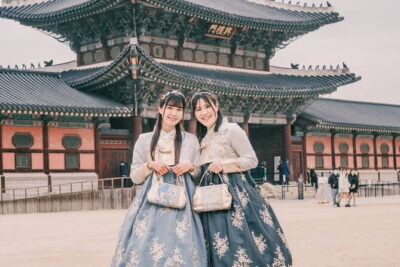
- Hanbok Photoshoot and History Tour at Gyeongbokgung Palace
★ 5.0 · 276 reviews - Street photoshoot and Seoul Hidden gem History Walking Tour
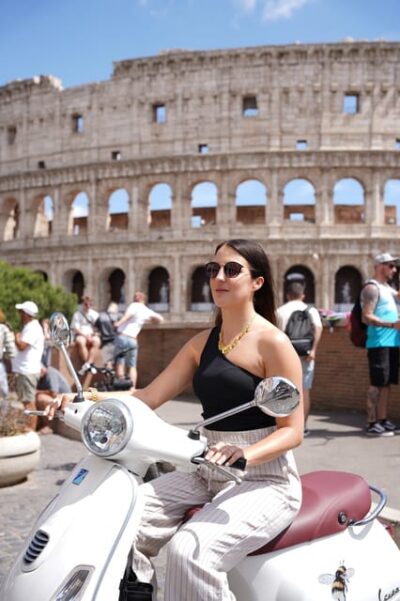
★ 5.0 · 68 reviews - Rome: Vespa Photo Tour with Historic City Highlights
★ 5.0 · 395 reviews
Ikseon-dong’s hanok lanes and cafe streets
Ikseon-dong gives you the first strong change of mood. Its narrow lanes are lined with traditional Korean hanok buildings, now used for cafes, shops, and restaurants. The result is a neighborhood where old rooflines and timber details meet modern Seoul design.
This is a photo-friendly opening stop because the lanes provide changing backgrounds without requiring a long walk. You might pose beside a hanok wall, in a quiet side alley, or near one of the cafe fronts. The photographer can help you use the space instead of simply asking you to stand in the middle of the street.
The area is popular, so it will not feel like a deserted village. That is part of the appeal and part of the limitation. You get character, cafes, and plenty of visual detail, but other people may appear in the background. A photographer who knows the area can make a real difference here by choosing a better angle and waiting for a clear moment.
If you want to use the tour as a portrait session, wear something you feel comfortable moving in. One useful tip is to bring an outfit change if practical. The whole walk uses the same general urban setting, so a second top or jacket can give your final photo set more variety.
Jongmyo Shrine and the story of royal Korea
From Ikseon-dong, the route moves toward Jongmyo Shrine. This is one of the most important historic sites in Seoul, and the stop gives the walking tour more substance than a simple cafe-and-photo outing.
Jongmyo was built for royal ancestral rites during the Joseon period. The long ceremonial architecture and ordered grounds reflect a different idea of beauty from Ikseon-dong’s busy lanes. Here, the setting feels more restrained, with space and symmetry doing much of the visual work.
The guide’s role is important at this point. Without context, a shrine can look like a quiet collection of old buildings. With historical storytelling, you can better understand why the site mattered, how royal rituals worked, and how traditional Korean culture shaped the city.
The visit is described as a guided photo stop and walk-by rather than a long indoor visit. Do not book this expecting an extended archaeological tour or a full exploration of every building. The value is in seeing the site as part of a broader Jongno route and getting a clear introduction to its place in Korean history.
Jongmyo is also a UNESCO-listed heritage site, so this portion adds a major cultural landmark to your Seoul visit without requiring a separate half-day excursion. That is especially useful if you have limited time in the city.
Sewoon Arcade, where old industry meets city renewal
Sewoon Arcade brings a different visual note. The complex is associated with electronics, tools, workshops, and the practical side of Seoul’s urban development. It does not have the polished look of a palace or cafe street, and that is precisely why it adds variety.
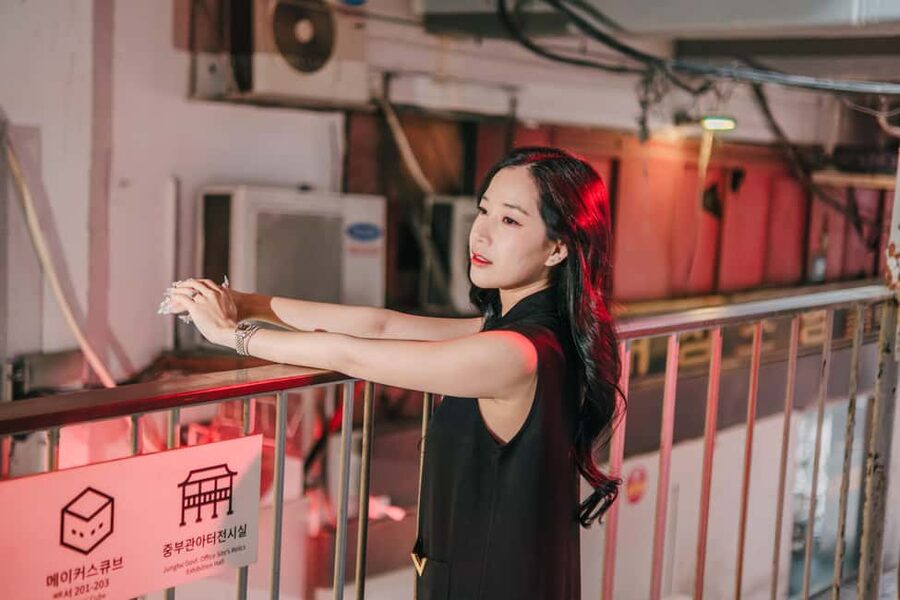
You may find strong lines, concrete surfaces, signage, and layered city views here. These details can make for more interesting photographs than the usual palace gate. They also show a side of Seoul that many first-time visitors miss when they stick only to royal buildings and fashionable shopping districts.
The route lists Sewoon Arcade more than once, with photo and walking time assigned to it. That suggests the area acts as a useful photographic setting as the group moves through the route, rather than a single formal attraction with a timed admission visit. Expect a stop for pictures and explanation, not a museum-style tour.
This is one place where the photographer’s judgment matters. Industrial surroundings can look flat in an ordinary snapshot, but framing, posture, and light can bring out the geometry. The tour is strongest when the photography feels connected to the place rather than pasted onto it.
More photo tours and shoots in South Korea:
- Seoul: Professional Hanbok Photography at Gyeongbok Palace
★ 4.9 · 172 reviews - Busan Night Small Group Photo Tour (Max 7)
★ 5.0 · 87 reviews - Gyeongju Small Group photo Tour (Max 6 Pax)
★ 5.0 · 38 reviews - Busan Small Group Photo Tour (Max 6 Pax)
★ 5.0 · 35 reviews
Cheonggyecheon at the changing light
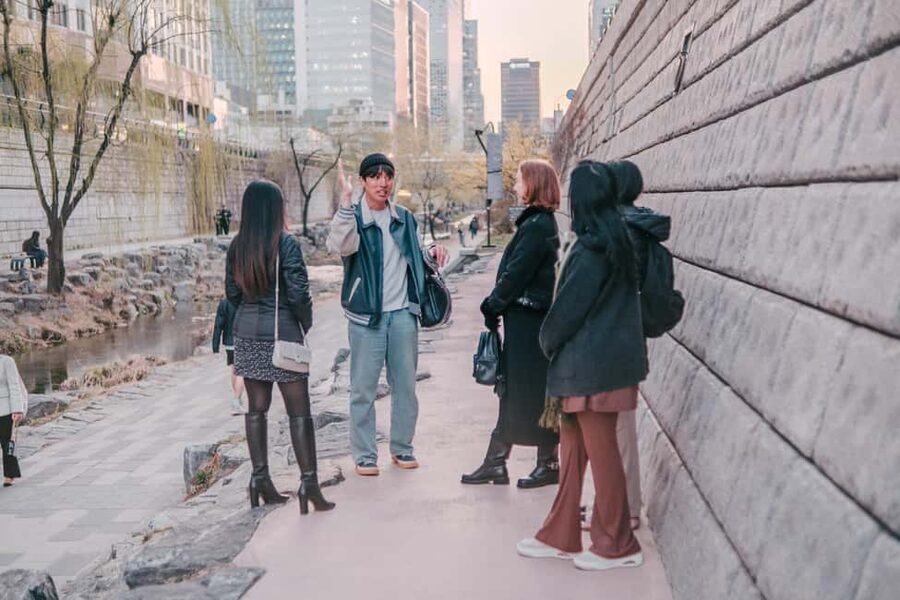
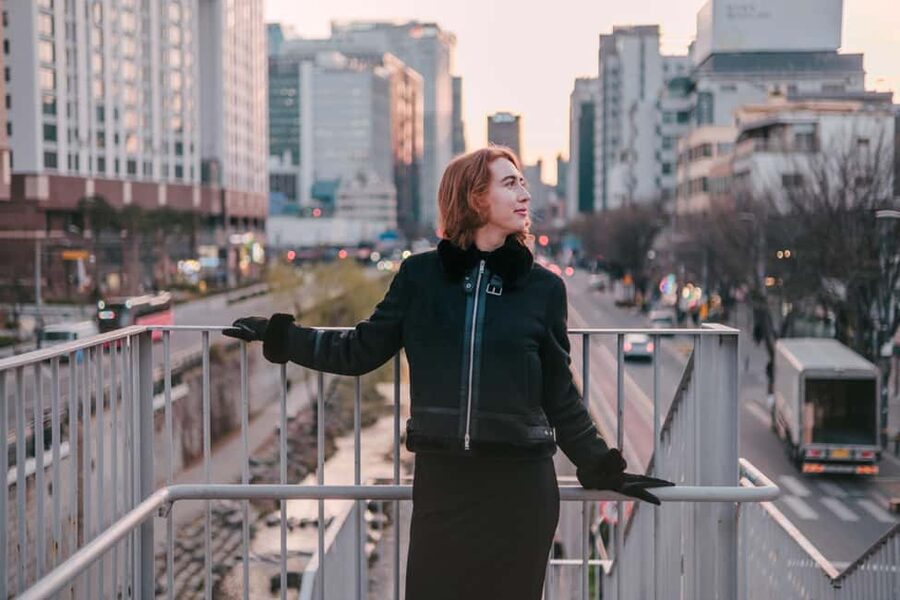
Cheonggyecheon is the route’s most natural pause. The restored stream cuts through central Seoul, creating a lower, calmer corridor beneath the surrounding streets. It offers a welcome break from pavement and traffic, even though the city remains close around you.
The stop is listed at about 15 minutes, so think of it as a focused photo and storytelling session rather than a long walk beside the water. If your start time catches late afternoon or early evening, the light may be softer here. The experience specifically highlights sunset views, but exact conditions depend on the season, weather, and starting time.
This is also where you will appreciate the advice to check the forecast. Seoul weather can change quickly, and the activity does not include an umbrella. Bring water, sunscreen, and a hat in warm weather. On a rainy day, a light waterproof layer is more useful than hoping the clouds will pass.
The stream gives the photographer a chance to create a different type of image from the hanok streets. Instead of close architectural backgrounds, you may get open space, reflections, bridges, and city light. The range of settings helps the finished photo collection feel like a record of Seoul rather than one repeated portrait.
How the photo session works
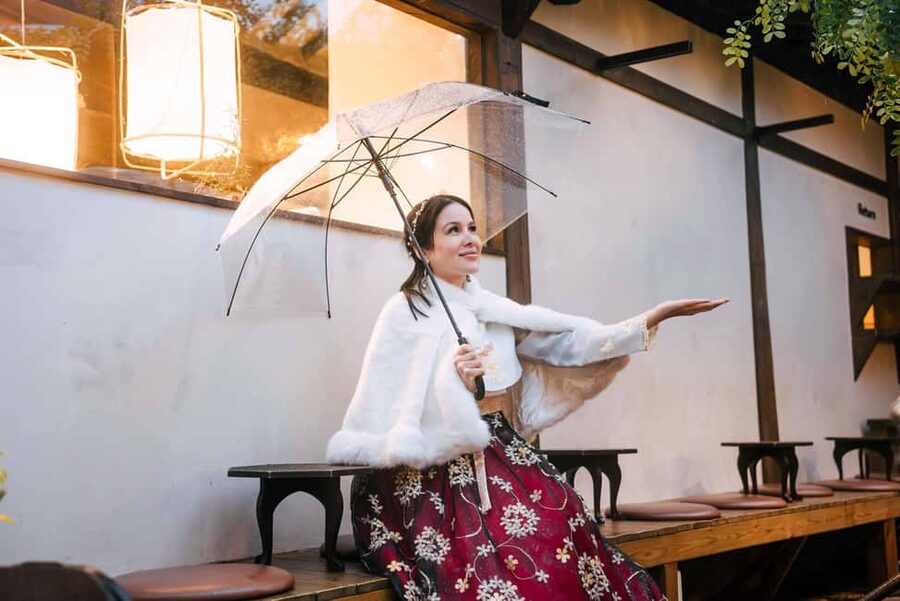
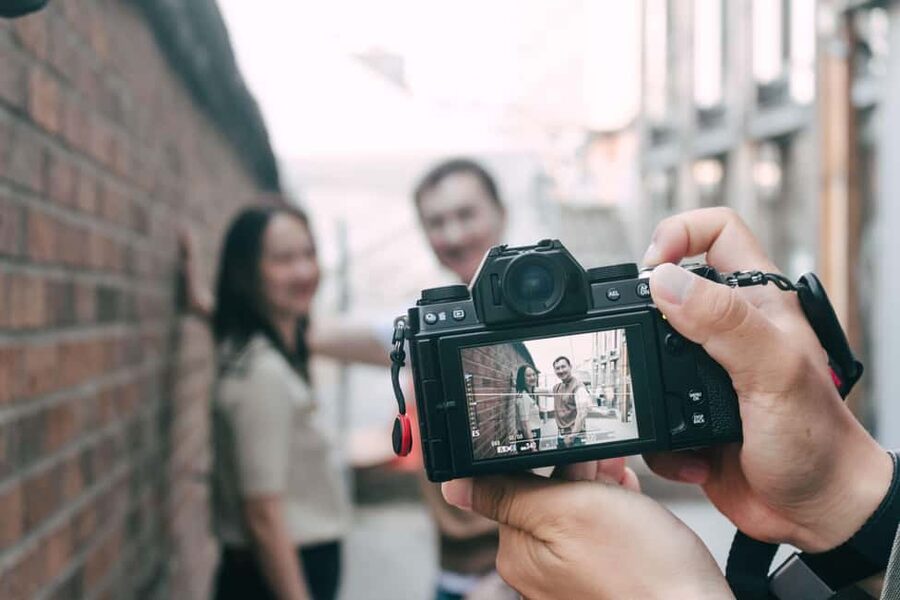
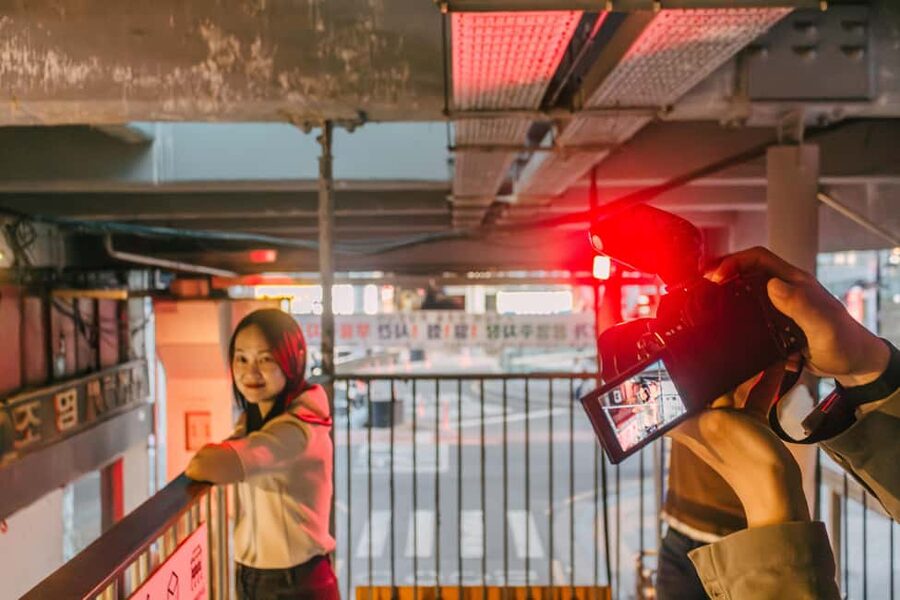
This is not presented as a separate studio shoot. The photography is woven into the walking tour, with pictures taken at each stop. That makes the experience a good match for you if you want natural travel portraits and do not want to spend an entire afternoon posing in one location.
The photographer helps with positioning and comfort, which is particularly useful if you dislike having your picture taken. Several parts of the route call for photo stops, so you should have chances to settle into the process. The guides have also been praised for being patient and considerate, a small detail that matters when a camera is pointed at you in public.
The result should be a varied set of images, not one formal portrait. You can expect pictures connected to hanok buildings, heritage architecture, industrial city textures, and the stream. The quality will still depend on weather, light, group timing, and how much attention each person receives.
All edited photos include post-processing and color edits. They are sent through a Microsoft OneDrive link that remains available for one month. Download them promptly, especially if you are moving between hotels or returning home soon. The package gives you more than casual phone snapshots, but it is wise to ask the guide during the tour how and when the final link will arrive if that detail is unclear.
The history guiding: what James and Jacob add
The experience identifies James and Jacob as the guides associated with the tour. They combine historical explanation with practical help during the photo stops, and that combination is the heart of the activity.
The history is not limited to one dynasty or one building. You move through traditional housing, a royal shrine, an urban commercial complex, and a modern public stream. That sequence helps you see Seoul as a city shaped by several eras rather than as a collection of isolated sights.
The tone also appears to be friendly and informal. That matters in a small group, where the guide can answer questions and adjust the pace more easily than on a large city walk. You should expect conversation, not a long lecture delivered without pauses.
English and Korean are available. If you have a particular interest in royal rituals, traditional architecture, city redevelopment, or modern Korean life, ask about it as you walk. The route has enough variety to support more than the basic facts.
Is $44 a fair price?
At $44 per person, this is not the cheapest way to walk through Jongno. You are paying for two services: a guided cultural walk and a professional photo session with edited images. If you only want directions and a few historical facts, a standard walking tour or self-guided route will cost less.
The value improves if you are traveling alone. A solo visitor often has to choose between asking strangers to take pictures and carrying a tripod. Here, you get someone responsible for the camera, along with a guide who can explain what you are seeing.
Couples and friends may also find the price reasonable, especially if they want photographs together in several Seoul settings. A private photographer would usually offer more control and personal attention, but this small-group format keeps the cost lower and adds the social side of meeting other people.
The included editing is important. You are not simply receiving unprocessed files at the end of the day. Color correction and post-processing make the package more useful for personal albums and social media. Just remember that the download link is available for one month, so save your images before it expires.
Who should book this Jongno walk?
I would point this tour toward solo visitors, couples, and friends who want a visual record of their time in Seoul. It is especially useful early in a trip, when you are still learning the city and want a guide to explain the central districts.
It also suits people who enjoy history but do not want a formal museum visit. The route moves often, changes setting, and keeps the cultural information connected to the streets around you.
You should be comfortable walking for two hours over city surfaces and standing outside for photo stops. The activity is not suitable for people with mobility impairments or wheelchair users. It also requires sensible planning in hot, cold, or wet weather.
Bring comfortable shoes, water, sunscreen, a hat, and a camera if you want one for your own use. Dress for the forecast. If you care about getting different looks in the photos, consider carrying a light extra layer or outfit change.
Free cancellation is available up to 24 hours before the activity for a full refund, and you can reserve now and pay later. Those policies make it easier to fit the tour into a changing Seoul schedule.
Should you book it?
Book this experience if you want finished photos and cultural context in the same outing. The strongest parts are the variety of settings, the accessible Jongno route, the small group, and the personal help with posing.
Skip it if you dislike being photographed, want a long and scholarly visit inside each historic site, or cannot manage moderate walking. For everyone else, $44 is a sensible price for a two-hour introduction to old and modern Seoul, especially when the final edited photos become a lasting souvenir.
FAQ
Where does the tour meet?
The meeting point is Jongno 3-ga Subway Station, Exit 5.
How long does the experience last?
The activity is listed as two hours. The description also allows for a two-to-three-hour outing, depending on the route and group pace.
Which languages are available?
The live tour guide is available in English and Korean.
What places does the tour visit?
The route includes Ikseon-dong Hanok Village, Jongmyo Shrine, Sewoon Arcade, and Cheonggyecheon, with the walk beginning at Jongno 3-ga Station.
Are professional photos included?
Yes. The package includes edited photos with post-processing and color edits. A Microsoft OneDrive download link is available for one month.
Is the tour suitable for wheelchair users?
No. The activity is not suitable for wheelchair users or people with mobility impairments. Comfortable walking shoes are recommended because the tour includes a moderate amount of walking.
Just added around South Korea
- West Busan Small Group Photo Tour (Max 7)★ 5.0 · 11 reviews
- [Photography Tour] Busan Night Tour (Max. 7 Pax)★ 4.5 · 6 reviews
- Seoul : Your Personal Photographer in Gyeongbokung★ 5.0 · 7 reviews
- Seoul: Professional Photoshoot choose your location★ 4.2 · 8 reviews
- Seoul: Modern Hanbok Dress Photoshoot Gyeongbokgung Palace★ 5.0 · 2 reviews
- Seoul: K-Beauty Tour with Hair, Makeup, Photo Shoot★ 3.8 · 7 reviews
- Seoul: Hanbok Photo Tour at Gyeongbokgung Palace★ 5.0 · 9 reviews
- Korean-Style Profile Photoshoot | Seoul★ 5.0 · 2 reviews
Historical Tours, side by side.
Hanbok Photoshoot and History Tour at Gyeongbokgung Palace
Read our review →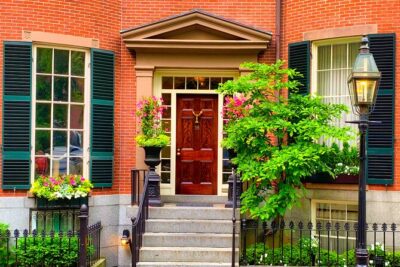
Beacon Hill Boston History + Photo Walking Tour (SMALL Group)
Read our review →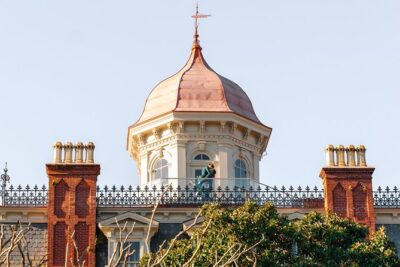
Boston’s Architecture, History + Photo Walking Tour (SMALL Group)
Read our review →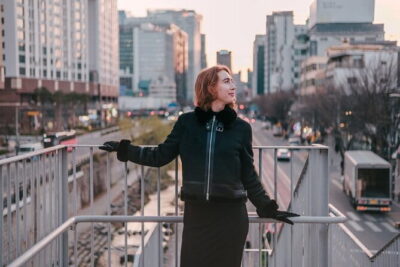
Street photoshoot and Seoul Hidden gem History Walking Tour
Read our review →
Dubrovnik City Tour with History, Photos & Round Trip Ride
Read our review →Lists this one turns up in