Review · PHOTOGRAPHY TOURS
Omo Valley Tribes Photography Tour by Locals
The main draw here is access to Ethiopia’s far south, where a single week brings you from Dorze beehive homes and Lake Chamo crocodiles to Hamer dance, Mursi villages, Konso terraces, and busy tribal markets. This is a serious road trip, not a quick Addis Ababa excursion, with long drives linking remote communities.
I like the way the tour combines portrait photography with cultural visits, rather than stopping at only one famous group. I also like the small maximum group of eight, the air-conditioned vehicle, and the fact that meals, bottled water, taxes, and a shared guide are included.
The main drawback is the pace. Seven days covers a lot of ground, and several days involve four or more hours on the road. Market schedules also matter, so you will want to confirm the final route and dates before booking if a particular group or market is your priority.
Key points to know before you book
- Eight-person maximum: A small group makes it easier to photograph, ask questions, and manage stops in remote areas.
- Seven days, mostly by road: The route covers Addis Ababa, Dorze, Arba Minch, Turmi, Jinka, Konso, and the Omo Valley.
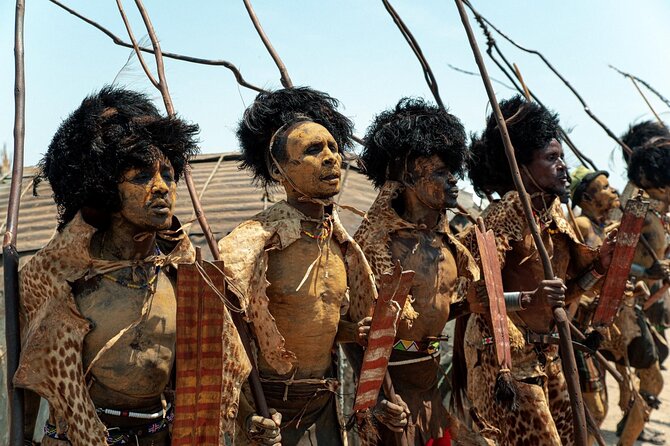
- Strong photography focus: The program includes Mursi, Hamer, Dasenech, Konso, Dorze, Ari, Benna, Tsemai, Karo, and Woyto communities.
- Market days shape the route: Dimeka markets take place Tuesday and Saturday, Key Afar on Thursday, and Konso on Monday and Thursday.
- Meals are included: The price covers six breakfasts, seven lunches, seven dinners, bottled water, taxes, and transport.
- Moderate fitness is needed: Expect long drives, village walks, a local boat crossing, and changing road conditions.
Why this Omo Valley trip is different
The Omo Valley is not a place you reach by taking one scenic bus from the capital. You travel south through the Great Rift Valley, using Arba Minch, Turmi, Jinka, and Konso as stepping stones. That makes this tour appealing if you want a broad introduction to southern Ethiopia without arranging every vehicle, hotel, meal, and local visit yourself.
The photography theme is central. You are not simply passing through the region with a camera in your bag. The plan puts you near communities known for distinctive clothing, body adornment, traditional work, ceremonies, homes, and markets. The strongest pictures may come from ordinary moments: weaving, cooking, trading, walking, or working in a village.
Still, keep your expectations grounded. This is a guided cultural trip with scheduled visits, not an unplanned stay in a completely untouched world. The description uses language about living with communities far from the tourist route, but the itinerary clearly includes organized village visits, museums, markets, and hotels. That structure is useful, though it also means you should photograph people with care and follow your guide’s advice about permission and respectful distance.
More Photography Tours in the world:
- Tromso: Northern Lights Photography Tour
★ 4.2 · 843 reviews - Barcelona E-Bike Photography Tour
★ 5.0 · 843 reviews - Tromsø: Northern Lights Photography Tour
★ 4.8 · 788 reviews
Day 1: Dorze homes, cotton weaving, and Arba Minch
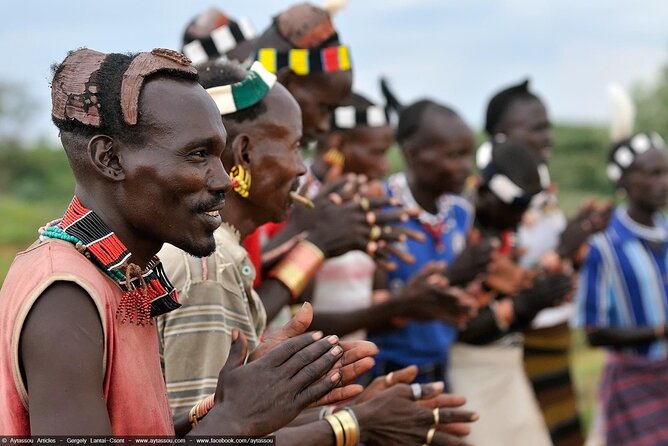
Your first day carries you south from Addis Ababa through the Great Rift Valley. After lunch in Sodo, you continue toward Chencha, the mountain home of the Dorze people, before heading to Arba Minch.
The Dorze stop gives you an immediate sense of why this tour suits photographers. The traditional homes have tall, beehive-like forms made from woven thatch. You can see how these structures are built, along with the making of cotton textiles known as shammas.
Food is part of the visit, too. Dorze communities cultivate the false banana tree and use it to make kocho, a traditional bread. The program allows you to see how it is produced and try making it yourself. That hands-on element gives the stop more substance than a quick photo stop.
An optional evening may include a bonfire, goat preparation, and cooking with local people. Since this is optional, confirm the details with the operator before you count on it. Overnight arrangements are listed in Dorze or Arba Minch, so ask where you will sleep on your dates.
The first day is also one of the longer travel days. You should be ready for several hours in the vehicle before and after the village visit. The reward is a gentle start that links scenery, architecture, textiles, and food rather than rushing straight to portrait stops.
Day 2: Lake Chamo, crocodiles, and the road to Turmi
The route continues from Arba Minch toward Turmi, with Lake Chamo as the morning highlight. The lake forms part of Nechisar National Park and is known for its crocodiles. An area nicknamed the crocodile market is visited because crocodiles are often seen there, and hippos may also appear.
This stop adds wildlife to a trip otherwise focused on people and culture. It also breaks up the long drive south. The program allows about four hours for the main route, plus time for a visit to the Woyto area.
The drive passes through several places associated with different communities. Konso is known for agricultural terraces and carved wooden waka figures. Weyto is associated with the Tsemai people, Key Afar with the Benna, and Dimeka with Hamer and Karo communities. Not every market is open every day, so the date of your trip matters.
At Woyto, you may stop to visit the Woyto community. If the timing falls on Monday, a market visit is planned. This is a useful example of how flexible the route needs to be. The same road can offer a very different day depending on the calendar.
By evening, you reach Turmi, home of the Hamer people. You might see evangadi, a traditional Hamer night dance. That possibility depends on local circumstances, so treat it as a bonus rather than a guaranteed performance.
Day 3: The Omo River and Dasenech country
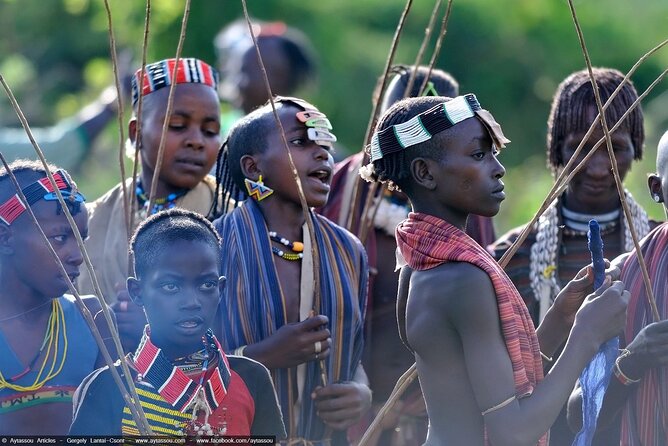
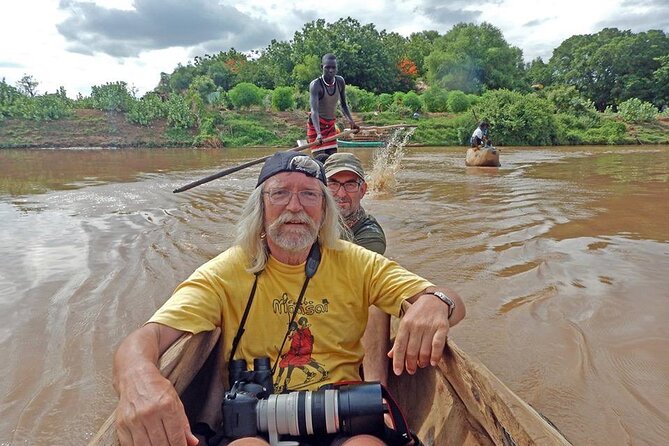
The third day focuses on the Omo Delta and the Dasenech community. You visit Omo Rate, described as an isolated village, and cross the Omo River in a locally made boat.
This is one of the tour’s most distinctive activities. A river crossing by a local boat offers a stronger sense of place than simply arriving at a village by vehicle. It also adds a practical note: you should expect the day to feel less polished and more dependent on local conditions than a museum or town visit.
The route description also includes Dimeka and Key Afar, with the chance to stop at markets when the date matches. Dimeka market is especially important on Tuesday and Saturday, when Hamer, Benna, and Karo communities may gather to trade goods. Key Afar market is held Thursday and is associated with Benna and Tsemai sellers.
There is a scheduling wrinkle in the published plan. This day refers to travel toward Jinka but lists an overnight at Turmi, while the following day also begins with a route toward Jinka. Ask the operator for the final day-by-day plan before departure. The overall route is clear, but the exact overnight and driving order should be confirmed.
More photo tours and shoots in the world:
- Bali: Full-Day Instagram Highlights Tour
★ 4.8 · 7,817 reviews - #1 Northern Lights Tour In Iceland from Reykjavik with PRO photos
★ 4.5 · 2,887 reviews - ️ Bali Instagram Tour: The Most Famous Spots (Private & All-Inclusive)
★ 5.0 · 2,857 reviews - Silfra: Fissure Snorkeling Tour with Underwater Photos
★ 4.9 · 2,731 reviews
Day 4: Dimeka, Jinka, and market timing
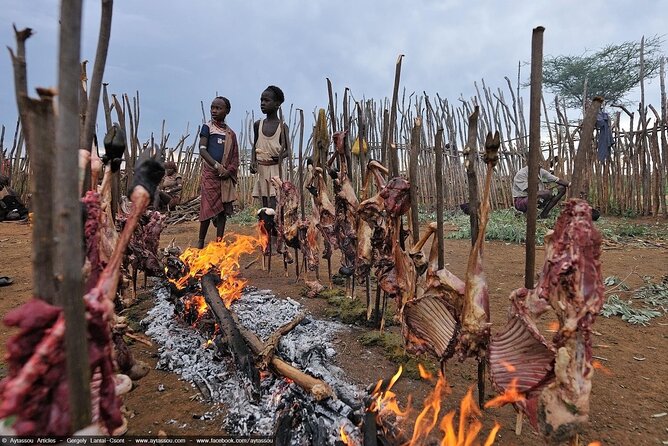
Day four continues toward Jinka, passing through Dimeka and Key Afar. If the date is Tuesday, you may visit the Alduba market in Dimeka before continuing to a Benna village.
Markets are among the best reasons to plan this tour around specific weekdays. They bring different communities together for trade, and they offer a wider range of clothing, goods, movement, and candid activity than a single village visit. For photography, that variety can be valuable. For anyone who prefers a slower cultural encounter, markets can also feel crowded and fast-moving.
The overnight is listed at Nasa Hotel in Jinka. The schedule gives about four hours to the main drive and two hours for Dimeka and the Benna area. These times are estimates, so a market visit may take longer if the group finds good photographic opportunities.
Jinka functions as an important base for the next day’s Mago National Park and Mursi visit. You also get a chance to spend time around a regional town rather than seeing only rural villages. That balance helps the trip feel more complete.
Day 5: Mago National Park and a Mursi village
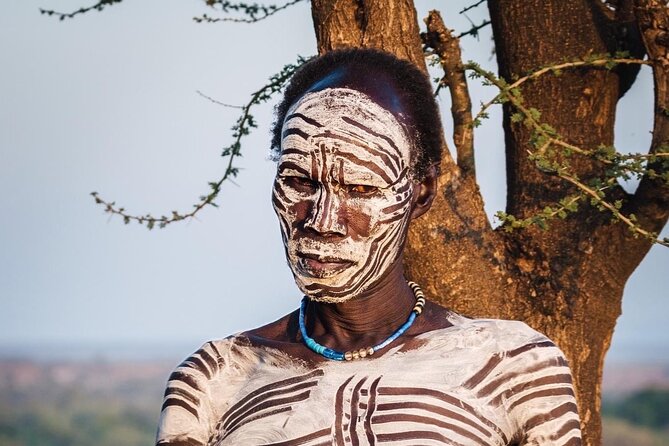
Day five is the tour’s major Mursi photography day. You drive through Mago National Park to a local Mursi village. Mursi women are widely known for lower-lip and earlobe plates, and the program explains their connection with marriage customs and bride price.
This is a powerful photographic subject, but it calls for sensitivity. The lip plates are part of a living culture, not a costume supplied for cameras. Listen to the guide, ask before taking close portraits, and remember that a respectful photograph is worth more than a hurried collection of faces.
The roads through Mago National Park can make this day feel demanding. The listed travel time is about four hours, with another two hours for Key Afar and an Ari village. Moderate physical fitness is requested, and you should be prepared for walking as well as sitting in the vehicle.
Back in Jinka, the South Omo Museum and Research Center offers useful context about the communities you are visiting. You can also hike in the nearby hills to an Ari village, where you may learn about blacksmithing and the production of areki, a local gin.
This day works well because it puts the famous Mursi visit beside less familiar activities. The Ari village and museum help prevent the trip from becoming only a hunt for dramatic portraits.
Day 6: Konso terraces and waka figures
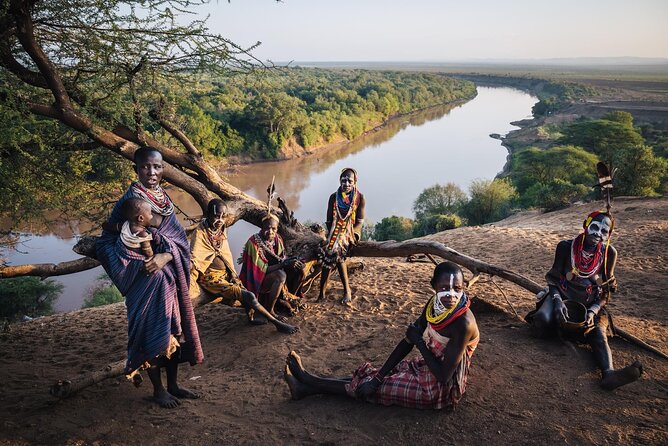
The road turns north from Jinka toward Konso, passing again through Key Afar. If your schedule falls on Thursday, you may see the Key Afar market, where Benna and Tsemai communities trade.
Konso gives the trip another strong cultural angle. The Konso people are known for carefully built agricultural terraces and waka statues, wooden figures created in honor of dead heroes. A village visit and cultural museum are included, giving you both a living community setting and an organized display of local art.
The so-called natural New York Village may also be visited if time permits. Its tall sand formations resemble city skyscrapers, making it a striking geological stop and a welcome change from the human subjects that dominate the rest of the tour.
Konso market days are Monday and Thursday. If market photography is one of your main goals, compare the weekday of your departure with the market calendar before paying. Since the program includes several market options, a small adjustment in timing can change the experience considerably.
The night is planned at Mora Height Lodge in Arba Minch. This return north also prepares you for the final drive back to Addis Ababa.
Day 7: The Rift Valley on the way back to Addis Ababa
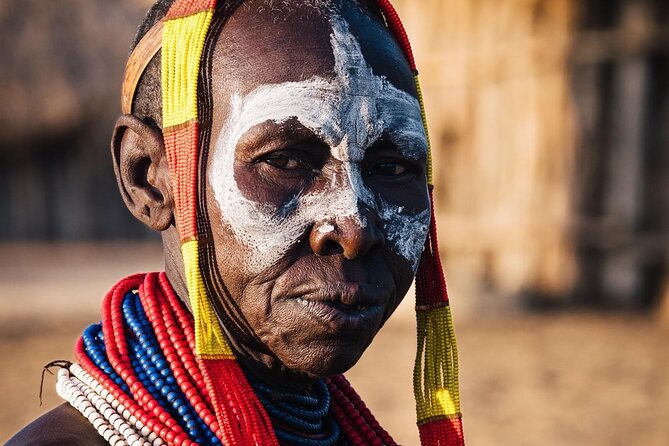
The final day is a full return drive from Arba Minch to Addis Ababa. It is not a relaxed farewell morning. You should expect a substantial amount of time in the vehicle, with a stop at Lake Langano for refreshments and lunch.
Lake Langano gives you a final Rift Valley pause before the capital. The program says additional archaeological sites may be visited if time permits, but this depends on the day’s schedule and road progress.
There is also an optional evening in Addis Ababa. You may shop, attend a folkloric dinner, sample several Ethiopian dishes, watch dances from different ethnic groups, and take part in a traditional coffee ceremony. Airport transfer is planned according to your departure schedule.
If you have a flight on the same night, confirm the timing carefully. The return drive is long, and the optional evening should not be treated as guaranteed unless your flight schedule leaves enough room.
What the $1,250 price covers
At $1,250 per person, the tour is not a low-cost bus outing, but the included services give the price real weight. You receive an air-conditioned vehicle, a shared guide, bottled water, all taxes and fees, six breakfasts, seven lunches, and seven dinners.
That matters in the Omo Valley. A self-arranged trip would require you to coordinate long-distance transport, local access, hotels, meals, markets, national park visits, and village arrangements. The small group limit of eight also helps spread the vehicle and guide cost without creating a large photographic crowd.
A camera is available if requested, which is useful if you are traveling without your own equipment. The information does not specify the camera model or lenses, so confirm what is provided before relying on it for serious photography.
Alcohol is not included. Visa costs, tips, and laundry are also extra. Ethiopia’s minimum drinking age is listed as 21, so keep that rule in mind if alcohol is part of your travel plans.
Who should book this experience
I would recommend this tour to you if your priority is variety. In one organized trip, you can see Dorze, Konso, Hamer, Dasenech, Mursi, Ari, Benna, Tsemai, Karo, and Woyto communities, along with Lake Chamo, Mago National Park, markets, and Rift Valley lakes.
It also suits photographers who prefer people and daily life over polished sightseeing. The schedule offers portraits, textiles, houses, food preparation, markets, river travel, wildlife, village work, and traditional architecture.
You should think twice if you dislike long road days or need a slow, flexible schedule. The itinerary is packed, several stops depend on market dates, and the route covers a large part of southern Ethiopia in only seven days.
The tour has only two published ratings, so I would not treat the perfect score as proof that every detail will suit every person. The strongest praise is for organization, kindness, and the range of tribal visits. Those are the qualities this program is designed to deliver, but you should still confirm hotel locations, the final driving order, and photography arrangements.
Free cancellation is available up to 24 hours before the start time. Inside that window, no refund is offered, and changes are not accepted.
Should you book the Omo Valley photography tour?
Book it if you want a practical, guided route through southern Ethiopia with a strong focus on portraits and cultural encounters. The combination of small group size, included meals, air-conditioned transport, and access to several communities makes the $1,250 fare reasonable for a demanding seven-day journey.
Before booking, match your dates with the market calendar. Confirm the exact order of the Turmi and Jinka nights, ask what camera is available, and make sure the final return schedule works with your flight.
If those details line up, this is a good choice for an ambitious first visit to the Omo Valley. You will cover a lot of ground, but you will also come away with far more than a collection of famous portraits: Dorze food and weaving, Konso art and terraces, Mursi village life, Hamer tradition, local markets, river travel, and the changing scenery of southern Ethiopia.
FAQ
How long is the Omo Valley photography tour?
The tour lasts approximately seven days, beginning in Addis Ababa and returning there on the final day.
Where does the tour start?
The meeting point is the Hyatt Regency Addis Ababa at Meskel Square in Addis Ababa, Ethiopia.
Is pickup offered?
Yes, pickup is offered.
How many people can join the tour?
The maximum group size is eight travelers.
What meals are included?
The price includes six breakfasts, seven lunches, and seven dinners.
Is bottled water provided?
Yes, bottled water is included.
Are flights or visa fees included?
No. Visa fees are not included, and the supplied tour information does not list flights as an included service.
Which market days are included in the route?
Dimeka markets take place Tuesday and Saturday. Key Afar market day is Thursday. Konso market days are Monday and Thursday. Weyto has a market on Saturday, and the Hamer and Karo market in Dimeka is listed for Tuesday and Saturday.
What level of fitness is required?
A moderate physical fitness level is recommended. The program includes village visits, a hike near Jinka, a local boat crossing, and long drives.
Just added around the world
- ️ Hanoi Instagram Tour: Most Famous Spots (Private & All-Inclusive)★ 5.0 · 12 reviews
- Hanoi Explorer Photo Tour★ 5.0 · 40 reviews
- Into the Thieves Market Hanoi Photo Tour★ 5.0 · 10 reviews
- Cultural Hanoi Photo Walk – A Street Photography Tour★ 5.0 · 6 reviews
- Hanoi Street Photography with a Pro – Phone & Camera★ 5.0 · 27 reviews
- ️ Ha Long Bay Instagram Tour: Most Famous Spots (Private & All-Inclusive)★ 4.5 · 4 reviews
- Private Hanoi Photoshoot – Iconic Spots & Hidden Gems★ 5.0 · 16 reviews
- 4 hour individual photo tour of Hamburg★ 5.0 · 2 reviews
Photography Tours, side by side.


Rhodes: E-bike Highlights Sunset or Morning Photo Tour
Read our review →