Review · PHOTOGRAPHY TOURS
Delhi: Heritage Photography Tour
Delhi’s best photographs are not always found at its grandest monuments. This two-hour walk takes you from the Safdarjung Tomb through quiet gardens, old tombs, embassy-lined lanes, and colorful Lodhi street art. It gives your camera plenty to do without sending you across the whole city.
I like the clear photographic purpose and the mix of architecture, plants, and painted walls. I also like that guides such as Rajeev and Ameesha have been praised for sharing stories while giving photographers time to compose their own shots. The main caution is reliability: one confirmed booking reported that the guide never arrived, so confirm the meeting details before setting out.
Key points at a glance
- Safdarjung Tomb begins the walk: Meet at the entrance and ticket counter, then start with one of Delhi’s most photogenic Mughal monuments.
- Lodhi Garden changes the pace: Capture tombs, trees, flowers, a lake, and broad paths in one compact area.
- Athpula Bridge adds a strong frame: The old bridge gives you a different view across the garden lake.
- Shish Gumbad links the walk to the Lodhi dynasty: The final Lodhi lineage is represented here, alongside the Bara Gumbad and Sikandar Lodi Tomb.
- Street art brings Delhi into the present: Painted walls explore themes such as nature, the origin of the world, and life and death.
- The price is low, but service deserves attention: At $14 per person, the walk is good value if the guide arrives and the group stays small enough for useful camera advice.
Why this two-hour walk works for photographers
This is not a standard Delhi monument checklist. It is built around places where you can stop, look, and frame a picture. You move between sandstone buildings, domes, flowers, tree-lined paths, water, painted walls, and quieter city streets.
That variety matters. A full day focused only on tombs can feel repetitive, especially if you are traveling with someone who does not carry a camera. Here, the scenery keeps changing. One moment you are studying a dome and its decorative details. Soon after, you are looking for reflections on a lake or color in a rose bed.
The guide is described as a storyteller rather than simply a walking escort. You can expect conversation about religious ideas, beliefs, and the local importance of the sites. That gives the photographs a little more meaning. You are not just collecting attractive arches. You are hearing why these places matter within Delhi’s past and present.
The experience is also short enough to fit around other sightseeing. Two hours will not cover every corner of Lodhi Garden, and it will not turn you into a Delhi architectural expert. But it can give you a focused introduction to an area that is easy to overlook when you are chasing the city’s major sights.
More Photography Tours in India
- Same Day Taj Mahal Photography Tour by Car
★ 5.0 · 31 reviews - Photo Tour In Holy Varanasi
★ 5.0 · 73 reviews - Private Dharavi Slum Photography Tour With Pickup
★ 5.0 · 56 reviews
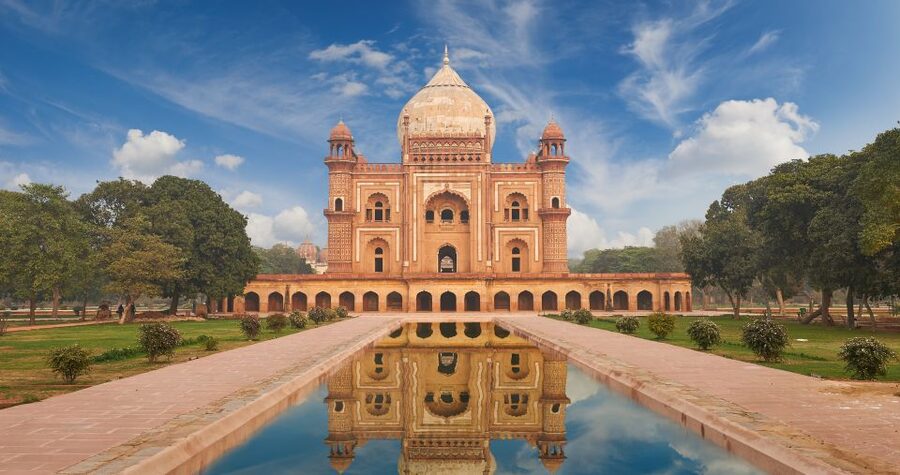
Starting at Safdarjung Tomb
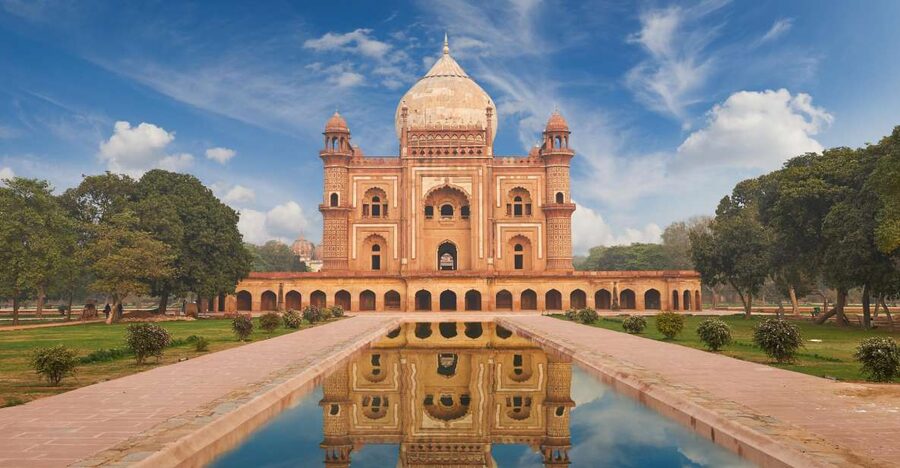
Your meeting point is the entrance gate of Safdarjung Tomb, at the ticket counter. This is an important detail. Safdarjung Tomb has more than one possible approach, so do not simply wait somewhere near the monument. Look for the entrance and ticket area specified for the tour.
The tomb provides a strong opening subject. Its formal Mughal design gives you broad views, repeated shapes, and plenty of architectural detail. Your guide can also help you think about how to photograph a monument rather than merely point a camera at it.
You might find the first part of the walk best for wide compositions. The tomb’s scale gives you a chance to include the building, sky, paths, and surrounding space. Closer details can work too, especially around the entrance and decorative features.
Do not expect a long, leisurely visit with time for every angle. The full route lasts about two hours, and several stops follow. If you have a particular shot in mind, mention it early. A guide who understands photography can help you use the available time sensibly.
The tour includes entry to the photographic destinations, so you do not need to budget separately for each listed stop. Your meeting point is also practical for anyone who wants to begin directly rather than spend time arranging transportation with the guide.
Muhammad Shah Sayyid Tomb and Delhi’s layered past
The Muhammad Shah Sayyid Tomb brings another period of Delhi’s story into the walk. The site displays relics from Delhi history, giving the visit a stronger historical angle than a simple photo outing.
This is the kind of stop where a guide’s storytelling matters. A photograph can show a dome, wall, or weathered surface, but it cannot explain the beliefs and local importance connected with the place. The included conversation about religious aspects and local meaning is useful here.
For photography, look for contrast between the monument’s older forms and the open space around it. You might find good subjects in the building’s symmetry, aging surfaces, or the way light falls across its stonework. The exact conditions will depend on the time of day and weather, so treat the stop as a place to experiment rather than a guaranteed single shot.
The walk’s historical range is one of its strengths. Safdarjung Tomb, the Sayyid tomb, and the Lodhi monuments do not tell one identical story. Together, they give you a sense of how Delhi’s built past appears in different forms across a relatively short route.
Lodhi Garden: trees, flowers, and old stone
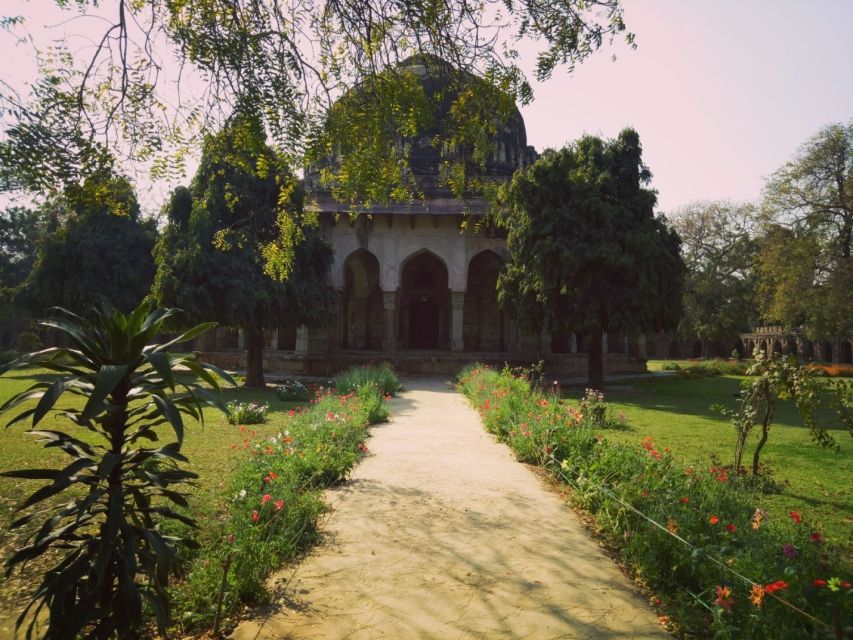
Lodhi Garden is the visual center of the experience. It is described as Delhi’s loveliest park, and its appeal comes from the mix of open paths, old buildings, trees, flowers, and water.
I like this part because it gives your camera a break from architecture. You can work with color in the Rose Garden, patterns in tree branches, or reflections near the lake. If you are new to photography, the garden also gives you simple subjects and changing distances. You can practice close, medium, and wide compositions without leaving the area.
The garden’s broad lanes make the walk feel less cramped than many central Delhi streets. You pass centuries-old buildings and embassy-lined roads, which adds another layer to the route. The contrast between guarded diplomatic compounds, public parkland, and old tombs is part of the visual interest.
The park is not only a place for nature pictures. Its monuments sit within the greenery, so you can frame stone against leaves or flowers. A guide can point out angles you might miss while walking alone, especially if you are focused on reaching the next stop.
There is a practical limit here. Two hours is not enough for slow, serious work at every monument, garden bed, and lake view. Photographers who need a tripod setup or lengthy landscape-style compositions may find the pace quick. For most people, though, the route offers a useful selection of subjects without demanding a full morning.
More Photography Tours in New Delhi:
- Tromso: Northern Lights Photography Tour
★ 4.2 · 843 reviews - Barcelona E-Bike Photography Tour
★ 5.0 · 843 reviews - Tromsø: Northern Lights Photography Tour
★ 4.8 · 788 reviews - Rovaniemi: Aurora Hunting Photography Tour with Barbeque
★ 4.4 · 433 reviews
Bara Gumbad and the Athpula Bridge
The 15th-century Bara Gumbad tomb and mosque add a substantial architectural stop within Lodhi Garden. The complex gives you more than one structure to frame and lets you compare forms, domes, walls, and open ground.
The mosque and tomb work well for photographers who enjoy repeated lines and strong shapes. You might find that the best image is not the most obvious front view. Try looking for relationships between the buildings, the surrounding trees, and the people moving through the garden. The guide’s photography tips can help you make that choice without turning the walk into a technical class.
Next comes the Athpula Bridge, which crosses a lake. This is one of the route’s more distinctive changes of scene. Water gives you another surface to watch, and the bridge provides a natural line through the photograph.
Do not count on a perfect reflection every time. Wind, light, and the position of people around the lake will change the view. That uncertainty is part of the point. You are being taken to a place with several possible compositions rather than handed one fixed postcard image.
This section also helps explain why the route is more than a cemetery or monument tour. The buildings, garden, bridge, and lake belong to one walk, but they ask you to use different photographic habits at each stop.
Shish Gumbad and the last Lodhi lineage
Toward the end, you visit Shish Gumbad, identified with the last lineage of the Lodhi Dynasty. The building gives the tour a clear historical closing point and adds another major dome to your collection of images.
If you have already photographed Safdarjung Tomb and Bara Gumbad, it is worth paying attention to differences rather than treating Shish Gumbad as another version of the same subject. Look at its scale, surface, setting, and relationship to the garden. A guide can help connect these monuments to Delhi’s religious and political past.
The Sikandar Lodi Tomb follows in the same general part of the route. Its placement in the garden makes it especially useful for compositions that combine formal architecture with trees and open space.
This final group of monuments is a good reminder that Delhi’s history is not confined to one central fort or one famous avenue. Several centuries of structures sit among everyday public spaces. That mixture gives the photographs more context and makes the walk feel less staged.
Rose Garden and Lodhi’s painted walls
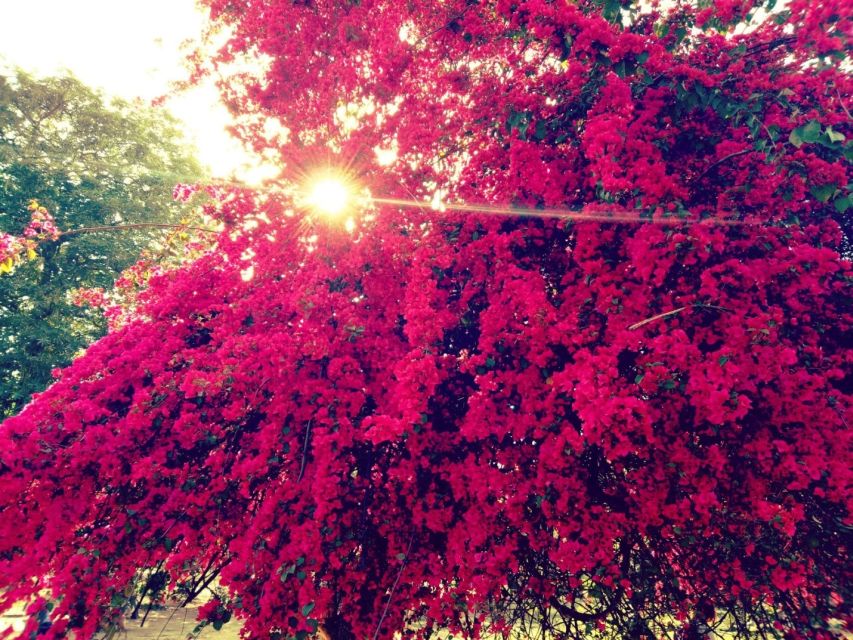
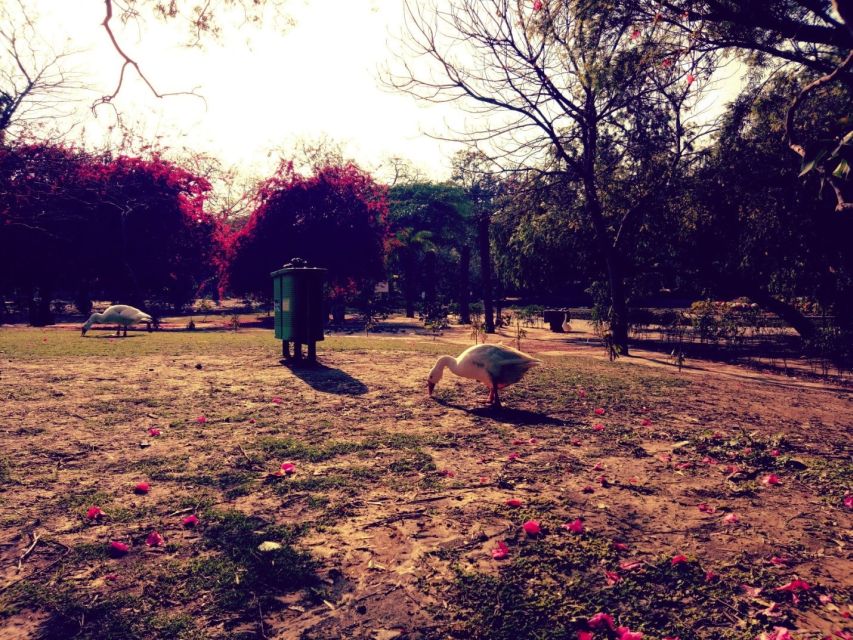
The Rose Garden brings the route back to color and softer subjects. Roses and other flowers can provide detail after several stops focused on stone. If you use a phone, this is an easy place to make the most of close-up images and color contrast.
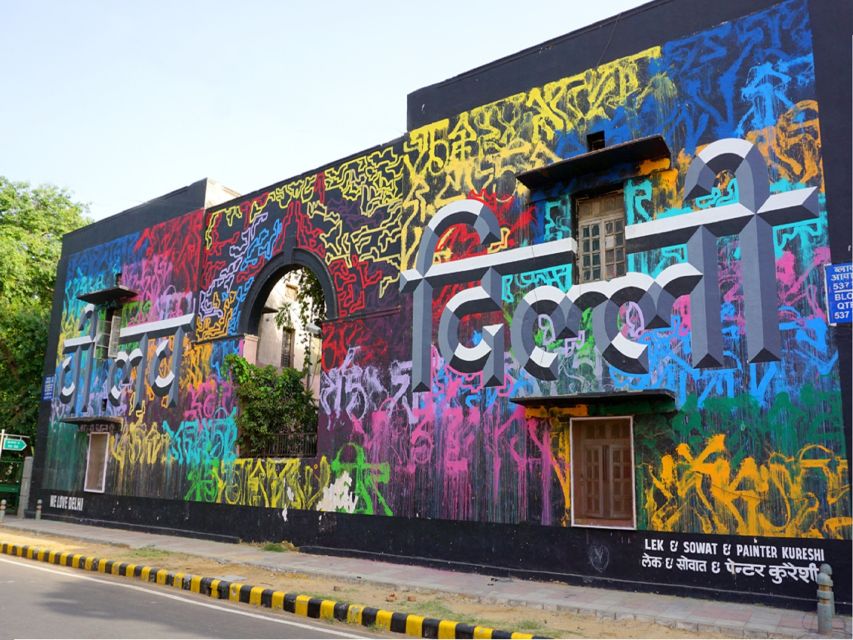
The final stop is Lodhi street art. Painted walls explore themes including nature, the origin of the world, and life and death. This is a useful ending because it shifts the tour from historic monuments to present-day artistic expression.
The street art also gives you pictures that look different from the usual Delhi architecture. You might find bold colors, symbolic scenes, and large painted surfaces that work well as backgrounds or wide compositions. The subject matter invites a conversation about how the city presents ideas in public spaces.
I like this ending more than a final return to another tomb. It shows that Delhi’s visual identity is not only old stone and formal gardens. The city’s newer art can sit beside its older monuments, and the contrast is one of the most interesting ideas built into the walk.
Guides, photography tips, and the pace
The guide is included, with English and Hindi listed among the core languages and Spanish also available. The experience is framed around a friendly, highly trained storyteller who can offer photography tips and discuss religious beliefs and local importance.
Two guide names connected with particularly strong experiences are Rajeev and Ameesha. Rajeev was praised for an evening-light walk and informative storytelling. Ameesha made contact by phone, helped prevent a missed meeting, and was described as patient with photographers who wanted to work independently.
That last point matters. Some guided walks hurry you from one stop to the next or interrupt whenever you stop to compose an image. This experience is better suited to you if you want useful guidance but still want to make your own photographic decisions.
The walk remains a group experience, so you should not expect a private photo workshop unless your booking specifically says so. The guide can offer tips, but the supplied details do not promise detailed instruction in manual camera settings, portrait work, or professional editing.
One concern deserves plain treatment. A confirmed booking recorded that the guide did not arrive at Safdarjung Tomb, and staff at the gate and ticket counter had not seen anyone from the tour. That is a serious failure, even though other bookings had positive experiences. Confirm the meeting point, starting time, and guide contact before you leave your hotel.
Is $14 good value?
At $14 per person, this is an inexpensive way to spend two hours in Delhi. The price includes the guide, entry to the photographic destinations, photography tips, and one hot beverage. It does not include hotel pickup, drop-off, or bottled water.
The value is strongest if you want three things at once: a planned walking route, access to several sites, and someone who can explain what you are seeing. If you explored the same area alone, you could save the guide fee, but you would need to find the route, identify the monuments, and work out how the stops connect.
The hot drink is a small extra rather than a reason to book. The real value is the combination of locations. Safdarjung Tomb, the Muhammad Shah Sayyid Tomb, Lodhi Garden, Bara Gumbad, Athpula Bridge, Shish Gumbad, Sikandar Lodi Tomb, the Rose Garden, and the street art create a lot of variety for a short walk.
Bring water, since a bottle is not included. Wear comfortable shoes. Large bags and luggage are not allowed, so this is not a good activity to schedule while carrying airport baggage or a heavy daypack.
The tour is not suitable for wheelchair users or pregnant women according to the activity information. It is also not presented as a private or fully accessible route, so you should consider the walking and garden terrain before booking.
When to book this Delhi photo walk
I would choose this experience if you enjoy architecture, public art, gardens, and short guided walks. It suits photographers who want local context but do not want a full technical workshop. It also works for first-time visitors who want to see a quieter side of Delhi without arranging every stop themselves.
The experience may not suit you if you want Delhi’s headline sights, hotel transport, a long private session, or guaranteed professional photography instruction. It is also a poor fit if you need a wheelchair-accessible route or plan to carry large luggage.
Timing can shape the pictures. One successful outing took place in evening light, which suited the monuments and garden. Starting times vary, so check availability and choose a period that matches your photography goals. If softer light matters to you, ask about the available start time before booking.
The activity offers free cancellation up to 24 hours in advance, and you can reserve now and pay later. Those options help if your Delhi schedule is still changing, but they do not remove the need to confirm the guide’s arrival.
Should you book the Heritage Photography Tour?
Book it if you want an affordable, compact introduction to Delhi’s tombs, gardens, bridges, and street art. The range of subjects is excellent for two hours, and the best guide experiences combine patient storytelling with freedom to take your own pictures.
I would book with one practical safeguard: confirm the appointment directly and keep the meeting point at Safdarjung Tomb’s entrance ticket counter clear in your plans. If that service concern is handled, the route offers strong value at $14, especially for photographers who prefer unusual city views to a standard monument checklist.
FAQ
Where does the Delhi Heritage Photography Tour meet?
Meet your storyteller at the entrance gate of Safdarjung Tomb, at the ticket counter.
How long does the photography tour last?
The tour lasts two hours.
What languages are available?
The listed guide languages are English, Hindi, and Spanish.
What does the price include?
The price includes a storyteller guide, entry to the photographic destinations, photography tips, one hot beverage, and conversations about religious beliefs and local importance.
Is hotel pickup included?
No. Hotel pickup and drop-off are not included.
What should I bring?
Bring comfortable shoes. You should also bring your own water bottle because water is not included.
Are large bags allowed?
No. Luggage and large bags are not allowed on the activity.
More History Tours around New Delhi
- New Delhi: Guided Night Photography & Heritage Tour of Delhi
★ 5.0 · 5 reviews - Rome: Vespa Photo Tour with Historic City Highlights
★ 5.0 · 395 reviews - Hanbok Photoshoot and History Tour at Gyeongbokgung Palace
★ 5.0 · 276 reviews - Beacon Hill Boston History + Photo Walking Tour (SMALL Group)
★ 5.0 · 163 reviews
Just added around New Delhi
- From Agra: Taj Mahal Guided Tour With Professional Photos★ 5.0 · 6 reviews
- Delhi: Private Guided Instagram Photographery Tour in Delhi★ 5.0 · 2 reviews
- From Delhi: Taj Mahal Tour with Professional Photographer★ 4.9 · 15 reviews
- From Delhi: Taj Mahal with Photographer & Elephant SOS Tour★ 5.0 · 3 reviews
- Delhi: Photography Taj Mahal Tour with Boat Ride & Transfers★ 5.0 · 2 reviews
- New Delhi: Guided Night Photography & Heritage Tour of Delhi★ 5.0 · 5 reviews
- Agra: Taj Mahal Vip tickets with Professional Photographer★ 3.6 · 5 reviews
- Agra: Taj Mahal Guided Tour with Photography & Rental Saree★ 5.0 · 4 reviews
Photography Tours, side by side.




Rhodes: E-bike Highlights Sunset or Morning Photo Tour
Read our review →