Review · KIMONO & COSTUME PHOTOSHOOTS
Kyoto: Tea Ceremony with Kimono and Photoshoot
A Kyoto tea ceremony becomes much more memorable when you take part in the ritual wearing a traditional kimono. This experience gives you the full introduction: dressing, a demonstration in English, your own bowl of matcha, Japanese sweets, and a professional photoshoot. It feels more meaningful than a quick costume rental because you learn what the gestures and objects mean.
I especially like the small group limit of 10, which keeps the lesson personal, and the chance to choose your kimono color and hair accessories. The three professional photos are also useful. You leave with more than a memory on your phone.
The main drawback is timing. One participant reported arriving five minutes early for a 2 p.m. booking but waiting until 3 p.m. for the ceremony. You should also take the 10-minute late rule seriously. Arrive early, confirm your exact location, and allow room in your day.
Key Points at a Glance
- Two central Kyoto locations: Choose the Nishiki Market shop or the Gion shop when booking, and do not mix them up.
- Kimono styling included: Staff dress you and help with color and hair-accessory choices.
- English tea lesson: Watch a demonstration, learn the meaning of purification, then prepare your own matcha.
- Three professional photos: A photographer captures your kimono experience, with photos sent by email.
- Time outside afterward: You can walk around Kyoto in your kimono before returning it the same day.
- Strict arrival rules: Arriving more than 10 minutes late means you cannot join and will not receive a refund.
Dressing for the Tea Room
Your visit begins at either the Nishiki Market or Gion location, depending on the option you select. These are not interchangeable meeting points, so check the booking details before setting out. Arriving at the wrong shop means you cannot take part.
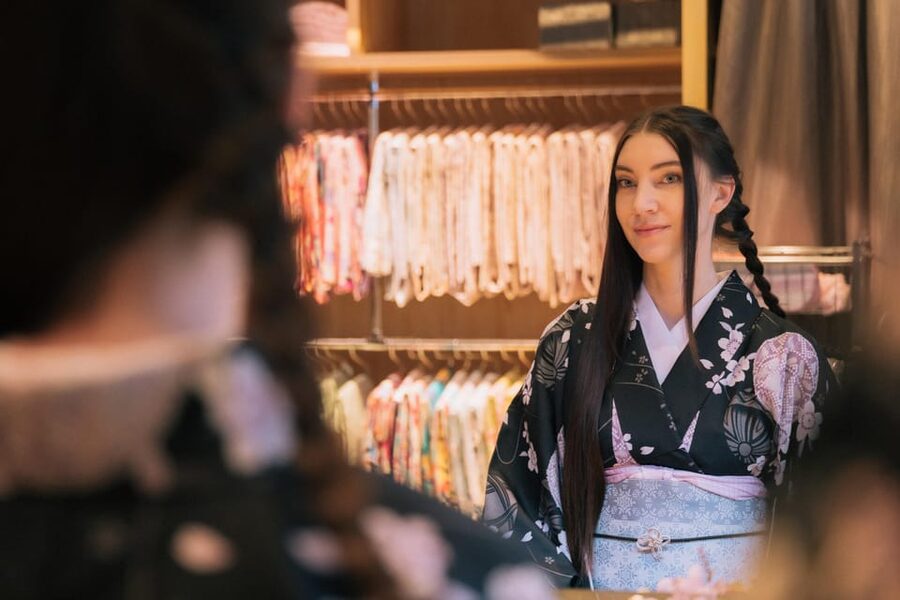
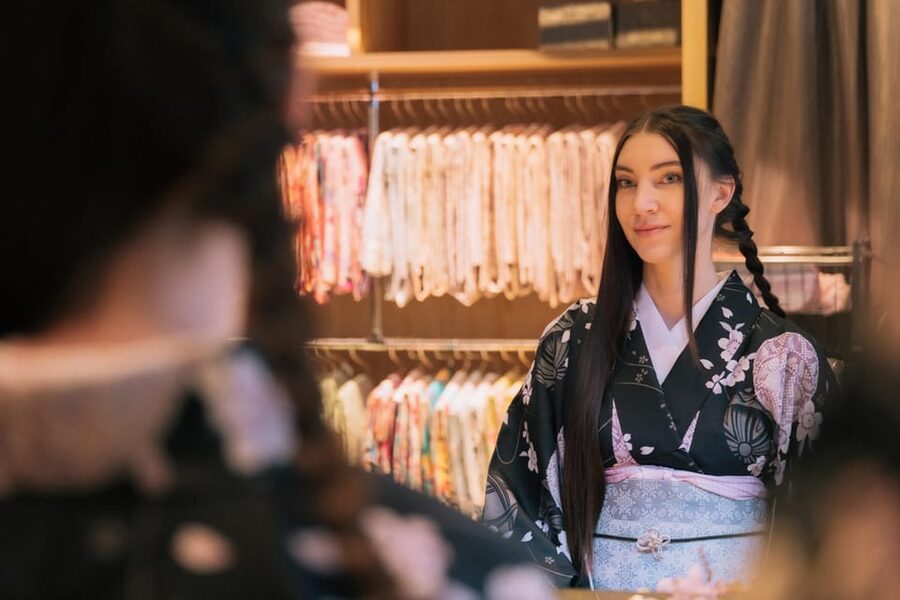
At the shop, you complete a short survey and then change into a kimono. Staff help with the dressing process rather than simply handing you a costume. You can choose the color of the fabric, and women can select hair accessories as part of the styling. The result is more polished than a basic rental-shop dressing session.
The kimono is not just a photo prop here. It changes the pace of the visit. You need to move carefully, sit properly, and pay attention to how the clothing is arranged. That makes the tea ceremony feel less like a quick photo stop and more like a short cultural lesson.
The dressing stage also takes some patience. This is a scheduled group activity, and the ceremony does not begin the instant you walk through the door. If you have a tight plan afterward, leave extra time rather than booking a restaurant or train immediately after the 90-minute session.
More Kimono and Costume Photoshoots in Japan
- Kyoto: Maiko Makeover and Photoshoot Experience
★ 4.7 · 239 reviews - Kyoto Tea Ceremony and Samurai Photo Session
★ 5.0 · 70 reviews - Kyoto Gion Kiyomizudera Kimono Yukata Hairstyle | Photoshoot
★ 4.9 · 55 reviews
What the Tea Ceremony Teaches You
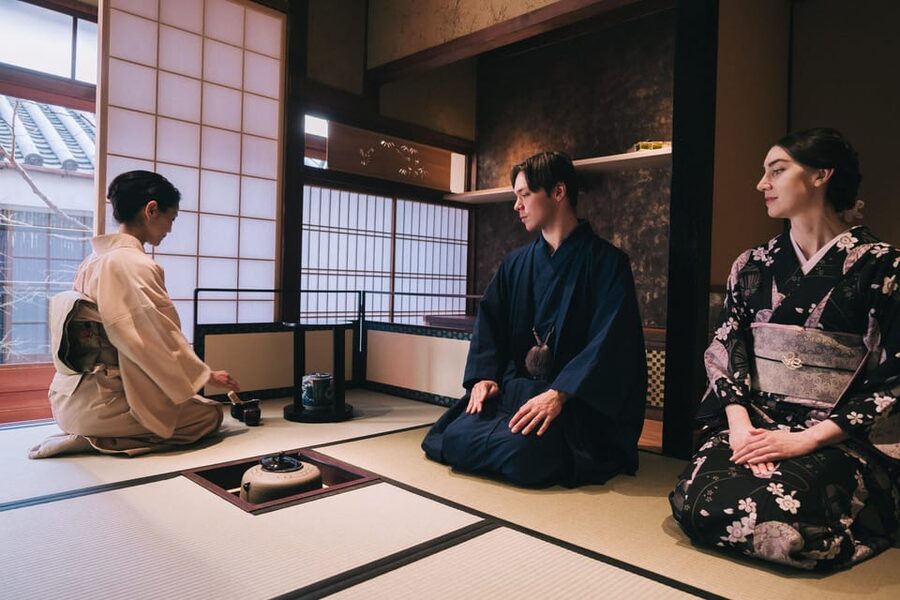
Once dressed, you enter the tea room and watch a tea master demonstrate the ceremony in English. The instruction covers the purpose of the ceremony and the meaning behind key actions, including cleansing and blessing the tea. You do not need prior knowledge of Japanese customs.
The English explanation is important because the movements can otherwise seem mysterious. A tea ceremony is built from small gestures, careful handling of utensils, and respect for the person receiving the tea. The demonstration gives you a way to read those gestures instead of watching them as decoration.
Mami is one of the named tea masters associated with the experience, and the teaching style is friendly and clear. The atmosphere is relaxed, not stiff or intimidating. That helps if you are worried about making a mistake when it becomes your turn.
This is an introduction, not a full study of tea ceremony practice. The 90-minute format has to cover dressing, teaching, matcha preparation, and photographs. You will leave with a useful understanding of the basics, but not an expert grasp of every rule or school of tea.
Making Your Own Matcha
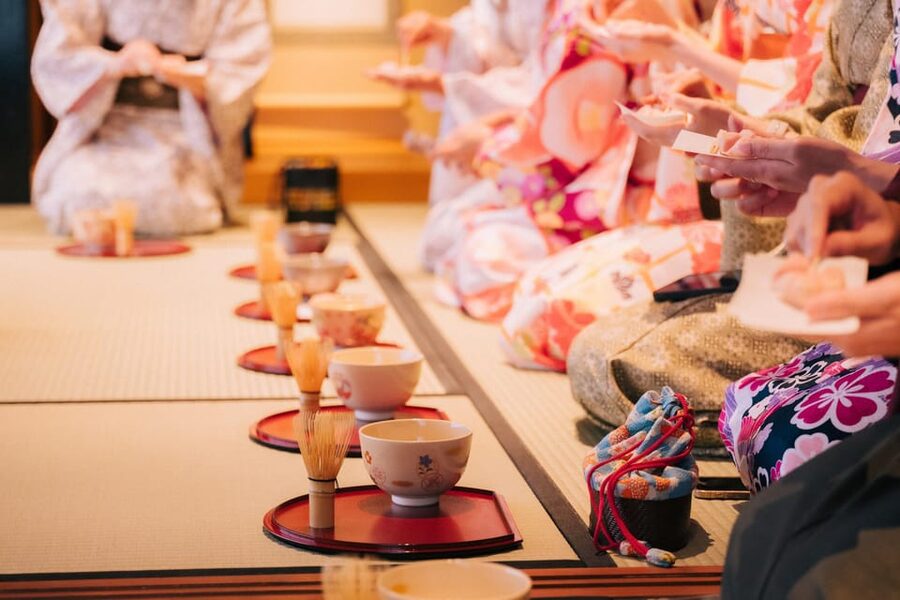
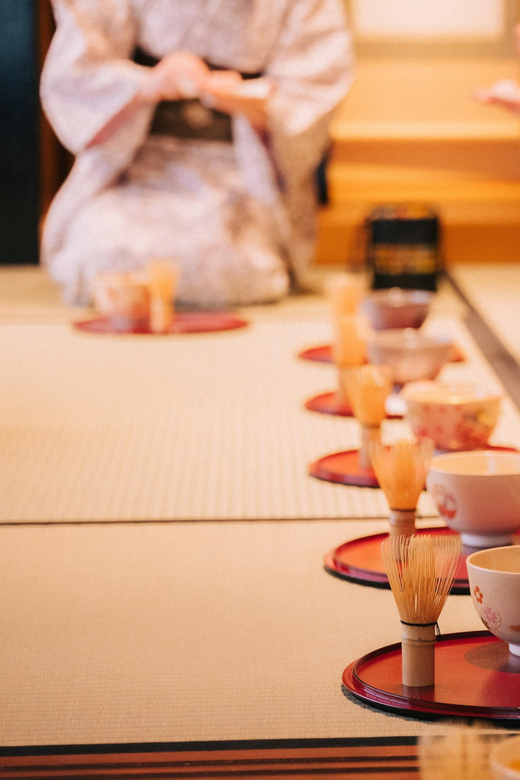
After watching the demonstration, you prepare your own matcha. You then drink it with Japanese sweets, which provide a small sweet contrast to the earthy, slightly bitter tea.
This hands-on part is the heart of the experience. Watching someone else prepare tea is interesting, but making your own bowl gives you a better sense of the concentration and care involved. Staff guide you through the process, so you are not expected to know the correct movements in advance.
The sweets are included, as is the matcha. If you have food allergies, tell the operator in advance. The supplied information does not specify which sweets are served, so you should not assume they will suit every dietary need.
The ceremony is also a lesson in etiquette. You learn when to observe, when to prepare, and how the tea is presented. The point is not to perform perfectly. It is to understand why the process is deliberate.
The Photoshoot and Your Three Photos
A professional photographer takes pictures during the experience, and you receive three photos as a keepsake. You also have time to take your own pictures, both inside and, if you wish, outside in the kimono.
The professional images add real value to the $127 price. Kimono photography can be difficult to manage alone, especially when you are trying to arrange clothing, find a good angle, and include everyone in a group picture. Here, the photographer handles that part.
The photos are sent by email, with one participant reporting that they arrived a couple of hours later. The exact delivery time is not guaranteed in the activity details, so do not count on having them immediately for another appointment.
The best way to think of the photos is as a bonus to the cultural experience, not the sole reason to book. If you only want formal kimono portraits, a dedicated photography session may give you more images. This option makes sense if you want photos tied to a tea lesson and a traditional setting.
More Kimono and Costume Photoshoots in Kyoto
- Kyoto kiyomizu Temple : Maiko and Samurai Couple Photoshoot
★ 4.8 · 25 reviews - Kyoto Kimono Professional Photoshoot
★ 4.0 · 10 reviews - Kyoto : Kiyomizu-dera Temple : kimono and Indoor photo shoot
★ 4.6 · 5 reviews - Kyoto Kiyomizu-dera Temple : Samurai Costume Photo Shoot
★ 5.0 · 2 reviews
Walking Around Kyoto in a Kimono
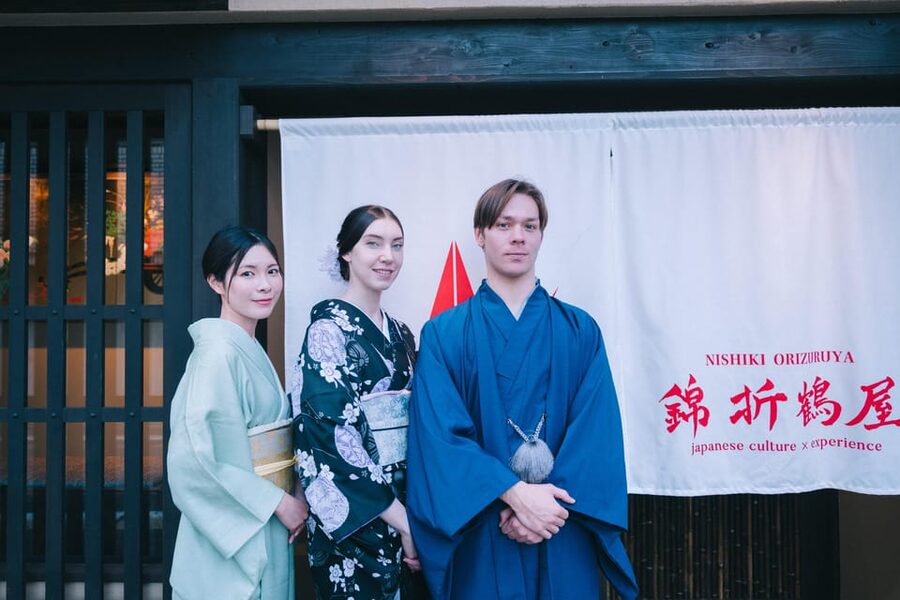
After the tea ceremony, you may stroll around outside in your kimono. This gives the experience a useful second act. Instead of changing back right away, you can carry the feeling of the visit into Kyoto’s streets and take your own pictures.
You must return the kimono to the shop by the designated time on the same day. At the Nishiki Market location, the return time is 6 p.m. At the Gion location, it is 5 p.m. The earlier deadline at Gion matters, especially if your booking takes place later in the day.
The outdoor time is not a separate guided tour. You are free to explore on your own, and the supplied information does not promise transport, a photographer escort, or a planned walking route. Treat it as flexible time for photos and a short stroll, not as an additional sightseeing program.
Kimono clothing can also be warm and restrictive, so keep your walk manageable. Comfortable pacing will make the afternoon more enjoyable than trying to cover half of Kyoto before returning the outfit.
Nishiki Market or Gion?
You select your location when booking, and this choice affects your practical plans.
The Nishiki Market location gives you a return deadline of 6 p.m. That later return time may suit a daytime booking followed by a stroll. The location name also makes it easy to pair the activity with time around Nishiki Market, though no market tour is included.
The Gion location has a 5 p.m. return deadline. That earlier cutoff calls for more careful planning, particularly if you want outdoor photos after the ceremony. Gion is a natural fit for a day focused on traditional Kyoto sights, but the experience itself does not include a guided Gion walk.
Do not choose based only on the neighborhood name. First check the available start time, then consider where you will be before and after the appointment. Most importantly, go to the shop tied to your reservation.
Is $127 a Fair Price?
At $127 per person, this is not a budget kimono rental. You are paying for several pieces in one short session: kimono dressing, an English tea demonstration, matcha and sweets, professional photography, and three finished photos.
I think the price is reasonable if you want a tidy, organized introduction and value the photographs. The combination saves you from arranging separate kimono hire, a tea lesson, and a photographer. It also gives first-time visitors a clear structure, which can be helpful in a city with many cultural activities competing for your time.
The value is weaker if your main goal is simply to wear a kimono for a long walk. The included outdoor time is limited by the same-day return deadline, and this is not a full-day rental. The price also assumes you want both the tea ceremony and the dressing, since you cannot book only one part.
A group of friends or a couple may find the photos particularly worthwhile. Solo participants can still enjoy the lesson and receive portraits, though the social element of a small group may matter more than the number of images.
Timing, Group Size, and Practical Rules
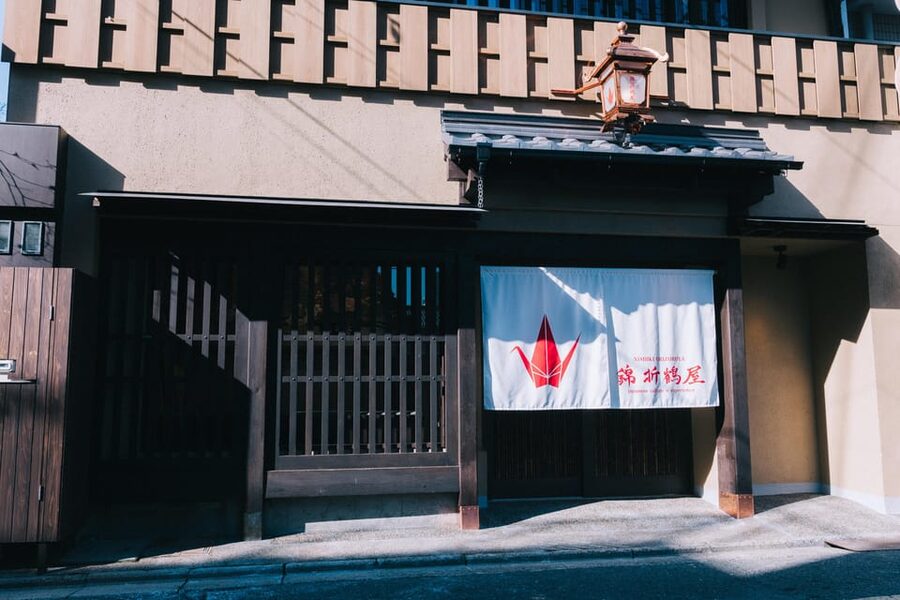
The scheduled activity lasts 90 minutes. That is enough time for the main stages, but you should not treat the end time as exact if the shop is running behind. One reported experience involved an hour between arrival and the ceremony, so leave some breathing room around the booking.
The group is limited to 10 people. This is small enough for staff to provide hands-on help, while still giving the room a shared atmosphere. The activity is conducted in English, and the instructor explains the tea ceremony rather than leaving you to copy movements without context.
Shoes are not allowed indoors, and smoking is not allowed. Wear something that is easy to change out of, and expect to remove your shoes before entering the tea room.
The operator needs the height and gender of every participant in advance so a kimono set can be prepared. Give accurate information when booking. The activity is not suitable for children under five or wheelchair users.
Cancellation is free up to 24 hours before the start time, and a reserve-now, pay-later option is available. The strict exception is lateness: arriving more than 10 minutes after the start means no participation and no refund.
Who Will Enjoy This Experience Most?
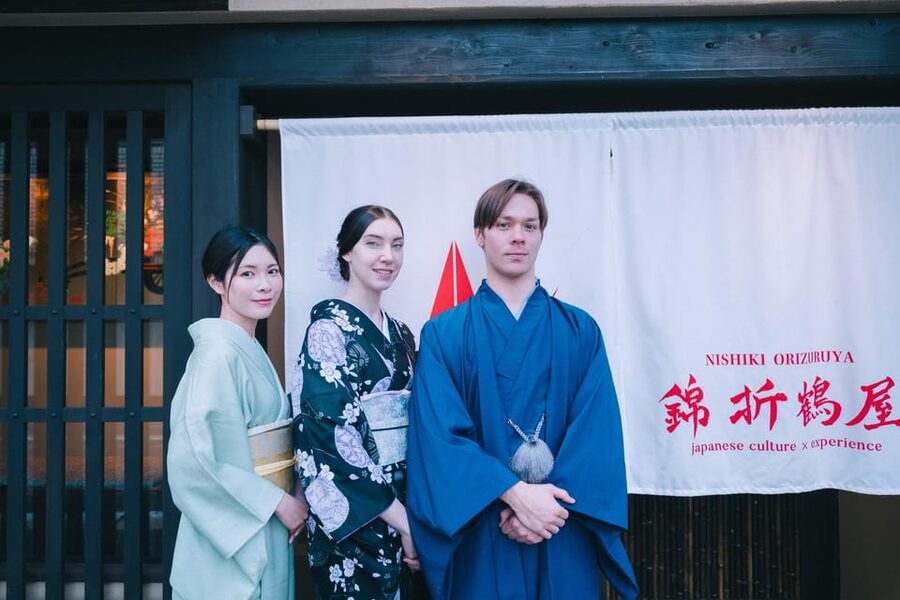
This is a strong choice for a first visit to Kyoto, especially if you want a cultural activity that is easy to follow in English. You get an explanation, a demonstration, and a chance to take part without needing to study tea ceremony etiquette beforehand.
It also suits couples, friends, and families with older children who can manage the formal setting. The clothing and photographs make it appealing for a special occasion, while the small group keeps it from feeling like a large staged show.
You should look elsewhere if you want a serious, extended tea ceremony, a private session, or a long kimono rental. The activity is an accessible introduction with photo time, not an advanced lesson in Japanese tea practice.
Should You Book It?
I would book this experience if you want three things in one stop: a kimono, an English explanation of tea ceremony customs, and professional photographs. The strongest parts are the careful dressing, the chance to make your own matcha, and the ability to walk outside afterward.
Choose your location with care, arrive early, and keep the rest of your schedule flexible. If you do that, the $127 cost buys more than a costume photo. It gives you a short but thoughtful look at one of Kyoto’s most recognizable traditions.
FAQ
How long does the Kyoto tea ceremony experience last?
The scheduled experience lasts 90 minutes. You may also spend time walking outside in your kimono afterward, as long as you return it by the required same-day deadline.
Where does the activity take place?
You can choose between a Nishiki Market location and a Gion location. Your meeting point depends on the option selected when booking.
Is the tea ceremony conducted in English?
Yes. The tea ceremony demonstration and instruction are provided in English.
What is included in the price?
The price includes kimono dressing, an English tea ceremony demonstration, matcha green tea, Japanese sweets, and three photos taken by a professional photographer.
Can I choose my kimono?
You can choose the color of the kimono fabric. Hair accessories are also available for women, according to the supplied activity information.
How many photos will I receive?
You will receive three professional photos as a memento. You also have time to take your own pictures during the experience.
Can I keep the kimono for the rest of the day?
You may stroll outside in the kimono after the ceremony, but it must be returned the same day. The return deadline is 6 p.m. at Nishiki Market and 5 p.m. at Gion.
What happens if I arrive late?
If you arrive more than 10 minutes after the scheduled start time, you cannot join the activity and no refund is available. You should also go to the exact location selected during booking.
Just added around Kyoto
- Kyoto: Private romantic photoshoot for couples★ 5.0 · 4 reviews
- Kyoto:Private Tour/Luxury Vehicle with Guide & photographer★ 4.8 · 35 reviews
- Kyoto: Private Photoshoot Experience in Arashiyama Bamboo★ 4.9 · 55 reviews
- Kyoto: Private Photoshoot in Arashiyama, Bamboo Forest★ 5.0 · 2 reviews
- Kyoto Kiyomizu-dera Temple : Samurai Costume Photo Shoot★ 5.0 · 2 reviews
- Kyoto kiyomizu Temple : Maiko and Samurai Family Photoshoot★ 5.0 · 2 reviews
- Kyoto: Photo Shoot with a Private Vacation Photographer★ 5.0 · 8 reviews
- Kyoto: Fushimi Inari Shrine Private Photoshoot★ 5.0 · 3 reviews
Kimono & Costume Photoshoots, side by side.
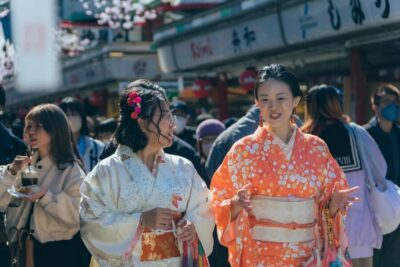
Kimono Dressing, Walking, and Photography Session
Read our review →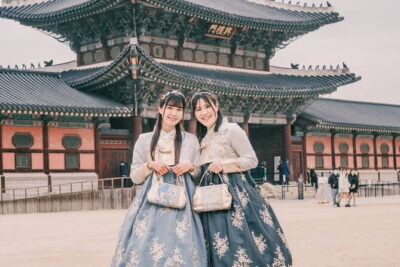
Hanbok Photoshoot and History Tour at Gyeongbokgung Palace
Read our review →

Witch Costume Photo Shoot – Olde Salem Village theatrical set
Read our review →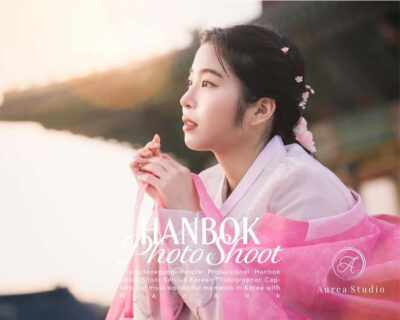
Professional Hanbok Photography at Gyeongbok Palace
Read our review →
Witch Costume Photo Shoot – Witch Cottage theatrical set
Read our review →