
Review · BERLIN PHOTO TOURS & PHOTOSHOOTS
Discover Berlin Underground through Mobile Photography
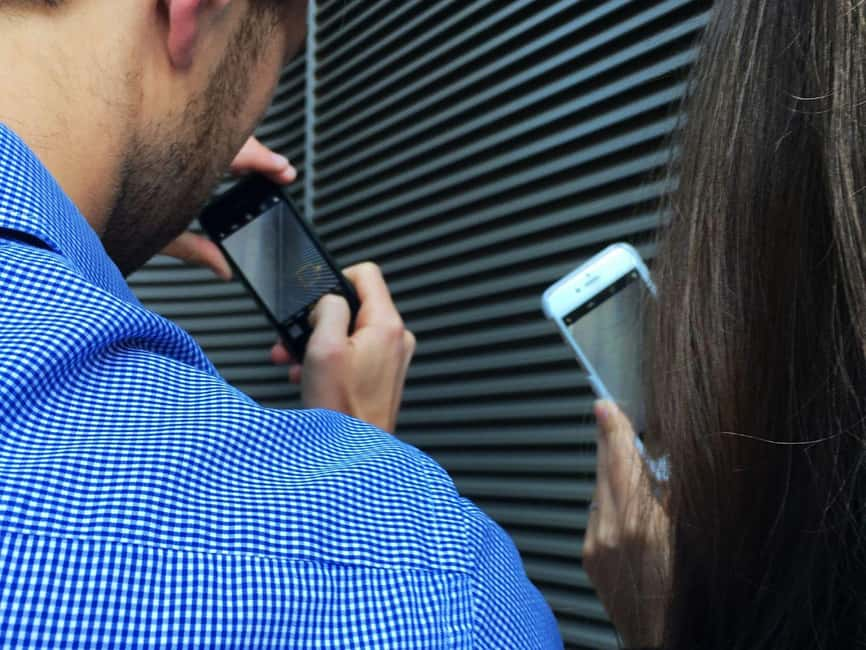
Berlin’s U-Bahn is more than a way to get across town. On this two-hour experience, it becomes a moving gallery of mosaics, sculptures, retro details, bold colors, and strong geometric lines. Guide Danylo leads you through several carefully chosen stations, showing you how to turn ordinary phone snapshots into thoughtful photographs.
I like the practical focus and the personal coaching. You work with the phone already in your pocket, and Danylo gives direct feedback instead of burying you in camera jargon. I also like the way the train rides become part of the lesson, with quick exercises on composition and observation. The main consideration is that this is primarily a photography workshop, not a full tour of Berlin’s U-Bahn history, and you’ll need to buy your own AB transport ticket.
Key points at a glance
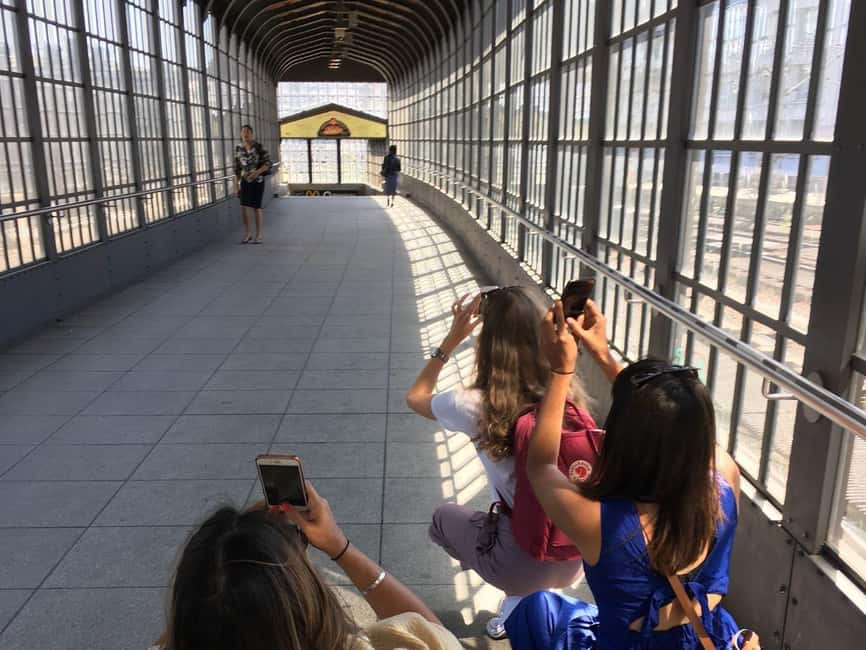
- Paracelsus-Bad starting point: Meet Danylo in the middle of the U8 platform, where his smartphone with a red case makes him easy to spot.
- Several photogenic stations: Expect mosaics, sculptures, playful installations, retro pieces, and striking architectural details.
- Practical phone instruction: Learn framing, geometric composition, portrait ideas, and simple ways to improve your images quickly.
- Stories with the photographs: Danylo adds cultural and design details about the stations, so the pictures have a stronger sense of place.
- Small-group attention: Private and small-group formats make it easier to ask questions and receive feedback on your own shots.
- All-weather city experience: Much of the activity takes place underground, making it a useful option when Berlin’s weather turns unpleasant.
Why Berlin’s U-Bahn makes a smart photo classroom
Many city photo walks chase famous monuments. This one takes a different route. Berlin’s U-Bahn gives you controlled lines, repeating shapes, unusual lighting, colorful surfaces, and small details that are easy to miss when you are simply trying to catch a train.
That makes the setting useful for learning. A station platform can teach you about symmetry. A long corridor can help you see leading lines. A colorful wall can become a portrait background. A passing train can change the mood of a photograph in a second.
You are not just collecting pictures of stations. You are learning to notice how space works. That skill carries over to street photography, architecture, portraits, and ordinary holiday snapshots.
The experience also gives you a different view of Berlin. Above ground, the city can feel spread out and full of competing sights. Below ground, the design becomes more concentrated. Each chosen station offers its own colors, objects, patterns, or architectural mood. You will see Berlin as a city that has put thought into places many people use only for transport.
More photo tours and shoots in Berlin:
- Berlin: Fotografiska Photography Exhibition Ticket
★ 4.6 · 168 reviews - Berlin Essentials: Private Photoshoot at Berlin’s top sites
★ 4.8 · 75 reviews - 5hours: Guide, Chauffeur & Photographer in Berlin private Tour
★ 5.0 · 66 reviews
Meeting Danylo at Paracelsus-Bad
The experience begins at Paracelsus-Bad station on the U8 line. Meet in the middle of the platform. Danylo holds a smartphone with a red case, so finding him should be straightforward.
This is a practical starting point because you do not have to search for a shop, hotel lobby, or hard-to-find street address. You simply arrive at the station platform with your ticket and camera phone ready.
Danylo teaches in English. His approach, based on the information provided, is friendly and encouraging rather than formal. That matters if you feel awkward taking pictures in public. He focuses on building confidence, helping you try an idea, look at the result, and adjust.
You can bring a recent smartphone or a regular camera. The activity is built around mobile photography, though, so you do not need professional equipment. In fact, using your phone keeps the lesson practical. You can repeat the techniques during the rest of your trip without carrying extra gear.
The first exercises: seeing shapes, lines, and color
The exact stations can vary, but the route visits several of Berlin’s most visually striking underground stops. You might work with bold mosaics, sculptures, retro artifacts, playful installations, or strong architectural forms.
The point is not simply to photograph an entire station. Danylo helps you decide what deserves attention. That could mean isolating one tile pattern, using a corridor to create depth, or positioning a person against a colorful wall.
Geometric lines are especially useful underground. Platforms and tunnels naturally offer parallel edges, repeated columns, rails, stairs, and ceiling structures. You will practice using those lines to guide the eye through the frame. A small change in your position can make a flat photograph feel much more organized.
You will also look at color. A wall with several bright shades can become a background for a portrait. A more muted station may work better for shapes and texture. The lesson encourages you to respond to what is actually in front of you instead of forcing the same style onto every stop.
This is a good fit for people who take many phone pictures but often feel that the results look accidental. The U-Bahn provides enough visual material to make each exercise clear, and the short route keeps the session moving.
Train rides become part of the lesson
Some of the experience takes place on the train itself. That is not wasted travel time. Danylo uses those journeys for photo exercises and quick tips.
A moving train changes the problem. You have less time to frame a shot, and the light and background may shift quickly. You may work on noticing a composition before the moment disappears, or on finding an interesting reflection and arrangement inside the carriage.
These short exercises also break up the station visits. You are not standing in one place for two hours while listening to a lecture. You move through the network, try a technique, travel to the next stop, and apply another idea.
There is a practical point here: you need a valid AB zone ticket for the whole experience. A day pass is usually the simplest choice. The ticket is not included in the $57 price, so add that cost when comparing this activity with a standard walking tour.
Same backdrop, a different kind of shoot:
- Berlin: Private Photo Session with Professional Photographer
★ 4.9 · 52 reviews - BERLIN PHOTO TOUR with a professional Photographer from Berlin
★ 5.0 · 44 reviews - Berlin: Ticket for Photography Exhibitions at C/O Berlin
★ 4.5 · 39 reviews - Berlin Photography Masterclass – Private Photography Lesson
★ 4.5 · 23 reviews
Station stories without turning the tour into a history lecture
Danylo shares facts about the U-Bahn stations, along with design and cultural background. This gives the photographs some context. You are more likely to notice a detail when you understand that it reflects a particular period, idea, or local character.
Still, photography remains the main subject. If you want a detailed account of Berlin transport history, this will not replace a dedicated historical tour. You will receive selected stories that support what you are seeing, rather than a long chronological lecture about the entire network.
That balance is one of the activity’s strengths. Too much background can interrupt a creative session. Too little can make the stations feel like random backdrops. Here, the cultural information helps you look more closely without taking over the experience.
The U-Bahn has 175 stations, but this activity does not attempt to cover them all. The route concentrates on stations chosen for their visual appeal. That is the sensible approach for a two-hour workshop. You spend your time making and discussing photographs instead of rushing through a long checklist.
Personal feedback is where the $57 earns its keep
At $57 per person, this is not the cheapest way to ride the U-Bahn. You are paying for a guided creative session, not merely transport and sightseeing.
The value depends on how much you want instruction. If you already know how to use composition, light, and framing on your phone, you may find the cost harder to justify. You could visit stations independently and take your own pictures.
If you want someone to help you improve quickly, the price makes more sense. Danylo offers feedback on your shots and adjusts his advice to your level. You can ask why one frame works better than another, test a suggestion, and see the difference immediately.
That direct exchange is particularly useful in a private or small group. You do not have to compete with a large crowd for the guide’s attention. A solo booking may also feel like a personal coaching session, while friends can learn together and compare ideas.
The strongest value comes if you continue using the techniques after the activity. Treat the two hours as a starting point. Try the same approach at Berlin markets, courtyards, museums, or street corners, and the fee becomes an investment in a skill rather than a one-time photo stop.
Portraits, reflections, and becoming part of the picture
The activity is not limited to empty architectural photographs. You will also be encouraged to make portraits against colorful backdrops and to use the stations as part of the image.
That makes the experience more social and creative. You can learn how a person’s position changes the balance of a frame, or how a bright wall affects the mood of a portrait. You may also experiment with reflections and unexpected details during the train rides.
If you are traveling with friends, this is a natural chance to take better pictures of one another. Instead of the usual quick snapshot, you can think about background, pose, lines, and color.
The description does not promise professional editing, advanced camera settings, or a finished portfolio. The focus is on seeing and shooting better with a phone. That keeps the activity approachable, but it also means serious photographers looking for technical instruction may want to ask about the precise level before booking.
What the five-star feedback tells me about the experience
The strongest pattern is the guide’s energy. Danylo is described as warm, funny, open, and highly engaged with both people and atmosphere. That matters in a creative class, where a stiff instructor can make even simple exercises feel uncomfortable.
The feedback also points to useful, fast improvements. Participants describe learning composition tricks and simple ways to make phone images better. One German-language response specifically highlights how quickly the advice improved the photographs and how well Danylo adapted to the person taking part.
Another recurring strength is the combination of two activities in one: photography coaching and an unusual look at Berlin. The station stories are not the main event, but they add meaning and help you notice details you might otherwise pass without seeing.
A solo participant was able to make full use of the time, while a group of three friends found the format warm and accommodating. That suggests the experience can work well for both individual learners and small groups, though the exact feel will depend on who else books your time.
The feedback is uniformly positive, with five five-star ratings provided. That is encouraging, but the sample is small. I would treat it as a strong sign of a personable guide and enjoyable format, not as proof that every photographer will gain the same amount.
Who will enjoy this most
I would recommend this to you if you want an active, creative alternative to a standard city tour. It suits beginners who want clear guidance, people who take pictures with a phone but lack confidence, and experienced phone photographers looking for fresh ideas.
It also works well for repeat visitors to Berlin. You do not need another tour of famous landmarks to get something new from the city. The U-Bahn offers a local setting, and the route can change the way you see public spaces.
Couples and friends may enjoy the portrait exercises. Solo participants can benefit from the one-on-one attention available in a private or small group. The English instruction makes it accessible to international visitors.
I would be more cautious if your main aim is transport history, Berlin politics, or a broad survey of underground architecture. You will receive useful design and cultural details, but the camera remains the priority.
You should also be comfortable moving through stations and spending time on trains. The experience is underground and transport-based, not a relaxed café stop or a seated classroom.
Timing, tickets, and what to bring
Plan for about two hours. Check the available start times when booking, since they can vary. Bring your smartphone or camera, curiosity, and a valid public transport ticket.
A day pass is usually easiest because you can use it for the route without stopping to buy separate tickets. The experience price does not include the AB ticket, so make that a separate part of your budget.
Cancellation is flexible, with a full refund available if you cancel at least 24 hours in advance. You can also reserve now and pay later, which helps if your Berlin schedule is still shifting.
The meeting point is specific, so arrive at U8 Paracelsus-Bad and look for the red phone case. That small detail should make the start less stressful.
Should you book this U-Bahn photo experience?
Book it if you want to learn by doing. The best reason to choose it is the combination of personal smartphone coaching, unusual station design, and Danylo’s friendly guidance. You will leave with more than a set of underground pictures if you pay attention to the framing exercises and keep using them afterward.
Skip it if you want a full transport-history tour or a cheap way to sightsee. The $57 price is fair for personal instruction, but less attractive if you plan only to look around.
For most curious visitors, especially beginners and small groups, I think this is a memorable way to meet Berlin below street level. Bring a charged phone, an AB ticket, and a willingness to try several versions of the same picture. That is where the real benefit lies.
FAQ
Where does the experience begin?
Meet in the middle of the platform at Paracelsus-Bad station on Berlin’s U8 line. Danylo will be holding a smartphone with a red case.
How long does the activity last?
The experience lasts around two hours.
Is the activity mainly about history or photography?
Smartphone photography is the main focus. You will also receive selected design, cultural, and historical details about the stations you visit.
Do I need professional camera equipment?
No. You can use a recent smartphone. You may also bring a regular camera, but professional equipment is not required.
What photography skills will I learn?
The session covers practical mobile photography techniques, composition ideas, geometric lines, portrait approaches, and quick tips for improving your photographs. You can also receive personal feedback on your shots.
Is public transport included in the price?
No. You need a valid AB zone ticket for the experience. A day pass is usually the easiest option.
Is the activity offered in English?
Yes. The instructor leads the experience in English.
Can I book a private or small-group session?
Yes. Private and small-group options are available.
Just added around Berlin
- Private Photo Session in the Streets of Berlin★ 5.0 · 6 reviews
- Private Photo Tour in Kreuzberg★ 5.0 · 3 reviews
- Personal Travel and Vacation Photographer Tour in Berlin★ 5.0 · 2 reviews
- Potsdam Private Sightseeing Tour with vehicle and Photographer Guide★ 5.0 · 2 reviews
- Romantic Couple Photoshoot in the Heart of Berlin★ 4.0 · 4 reviews
- Berlin Photoshoot A Private Photoshoot with Berlins Top Sights★ 4.0 · 9 reviews
- Berlin Private Photo shoot with Professional Photographer★ 5.0 · 6 reviews
- Berlin Architecture/River Spree Full Day Photography Tour★ 5.0 · 2 reviews
Berlin Photo Tours & Photoshoots, side by side.
Berlin Essentials: Private Photoshoot at Berlin’s top sites
Read our review →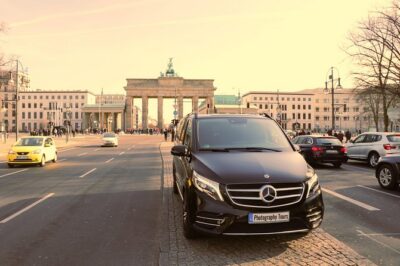
5hours: Guide, Chauffeur & Photographer in Berlin private Tour
Read our review →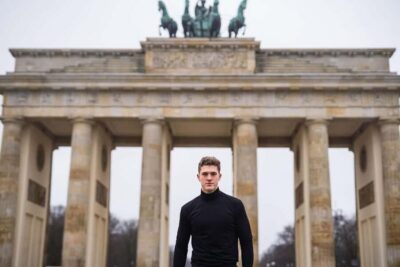
BERLIN PHOTO TOUR with a professional Photographer from Berlin
Read our review →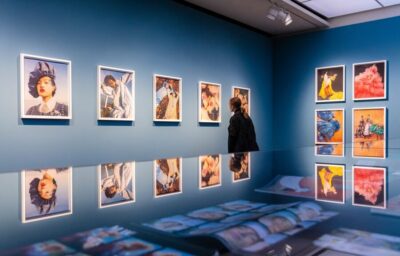
Ticket for Photography Exhibitions at C/O Berlin
Read our review →
Berlin Photography Masterclass – Private Photography Lesson
Read our review →
Lists this one turns up in