
Review · WHALE WATCHING
SMALL GROUP Whale Watch | Cabo San Lucas | Biologist | FREE Pics
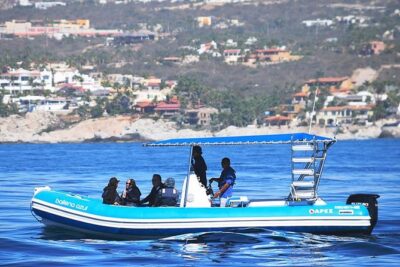
Cabo’s best whale trips are not just about spotting a tail in the distance. This small boat carries no more than 12 people, and a marine biologist explains whale behavior, conservation, local geology, and climate concerns as you head into the Sea of Cortez or Pacific Ocean. A submerged hydrophone may even let you hear humpbacks calling.
I especially like the free tour photos and the crew’s effort to leave crowded whale-watching areas behind. Guides such as Oscar, Victoria, Vittoria, and Payo have earned praise for making the science lively, while captains work for good views without chasing the animals.
The main caution is the sea itself. Conditions can get rough, and this is an open-water trip, not a calm harbor cruise. Bring water in a reusable bottle, plan for possible seasickness, and remember that whale sightings are guaranteed only from December 15 through April 15.
Key points before you book
- Maximum 12 people: A small group makes it easier to see around the boat, ask questions, and get a clear photo.
- Marine biologist on board: Expect explanations of humpback behavior, mothers and calves, migration, conservation, and the ocean environment.
- Whale sighting guarantee: During the December 15 to April 15 season, you receive a free second tour if no whales are seen.
- Free photos included: The guide takes pictures during the trip and sends them afterward, often within a few days.
- Three Cabo landmarks: The route includes The Arch, Lovers Beach, and Pelican Rock before heading offshore.
- Wildlife beyond whales: Humpbacks are the usual stars, but dolphins, sea lions, sea turtles, gray whales, and even sperm whales may appear.
Why this Cabo whale trip feels different
A whale watch can be a simple sightseeing ride: point the boat toward a blow, wait, and hope. This one puts more weight on understanding what you are seeing. The guide is a marine biologist, not just a person holding binoculars, so a whale surfacing becomes part of a larger story about behavior, migration, communication, and human responsibility at sea.
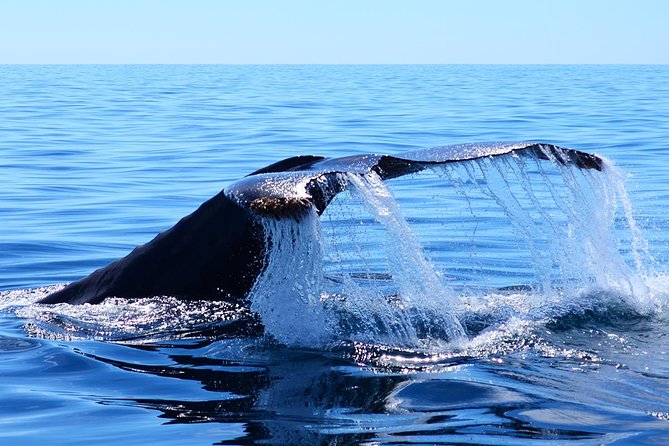
That matters when the action is slow. Whales do not perform on schedule. A good naturalist helps you stay interested between sightings, explains what to watch for, and gives meaning to details such as a tail fluke, a blow, or a mother staying close to her calf.
The strongest part of the experience is the combination of small-group access and solid interpretation. With 12 people or fewer, you are not trying to look over several rows of heads. You can move your attention from one side of the boat to the other, ask a direct question, and hear the guide without a loud crowd around you.
The crew also makes an effort to move away from the busiest collection of boats. That does not guarantee a private whale show, but it can lead to calmer viewing and a less pressured experience for the animals. The aim is observation, not interaction.
More Whale Watching around Cabo San Lucas:
- ZODIAC Whale Watch Tour | Cabo San Lucas | Biologist | FREE Pics
★ 5.0 · 365 reviews - Los Cabos Whale Watching (Transportation and Pictures Included)
★ 5.0 · 290 reviews - Los Cabos: Whale Watching (Transport and Pictures Included)
★ 4.9 · 138 reviews
From the marina to The Arch
You meet at Whale Watch CaboPlaza Bonita on Blvd. Paseo de la Marina, in Cabo San Lucas Marina. The activity begins and ends at this same point, and transportation to the marina is not included, so plan your own way there.
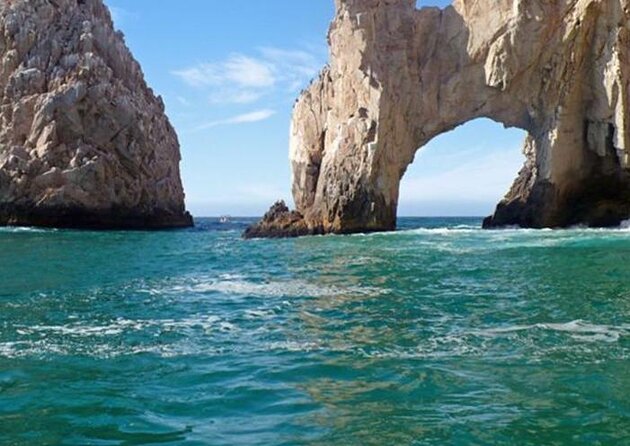
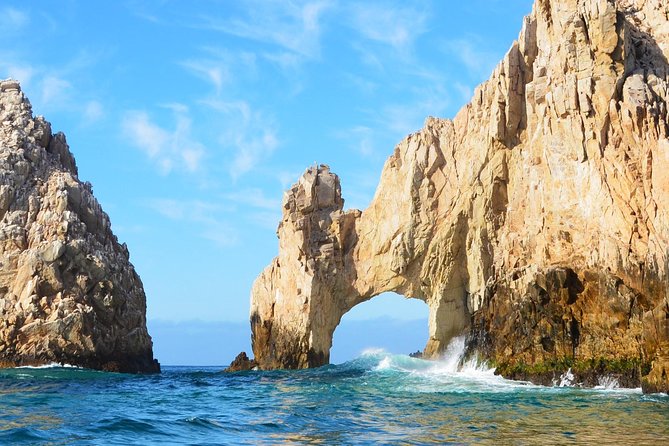
The opening section is a pleasant orientation to Cabo’s famous rock formations. The boat makes a short stop at El Arco, or The Arch, where you can take pictures from the water. The listed stop lasts about five minutes, which is enough for quick photographs but not a long visit.
The Arch is one of Cabo’s essential sights, and seeing it from a low boat angle gives you a better sense of its scale than a distant shore view. You will not get off the boat, and this is not a beach stop. Think of it as a compact photo opportunity before the main wildlife search begins.
The route also passes Lovers Beach. This is a chance to see the meeting point of Cabo’s famous rock formations and beaches from offshore. Pelican Rock follows inside the marine protected area of the Bay of Cabo San Lucas, adding another brief look at the coastline before the boat points toward open water.
These early sights are useful, but keep your expectations in check. The tour is built around whale watching, not a full sightseeing circuit of Cabo’s beaches. The landmarks set the scene and give you photographs at the start, while the larger portion of the trip is devoted to marine life.
Two hours in search of whales
After the bay, the captain heads toward either the Sea of Cortez or the Pacific Ocean. The direction depends on conditions and where the animals are being found. The search portion lasts about two hours, making the total experience roughly two and a half hours.
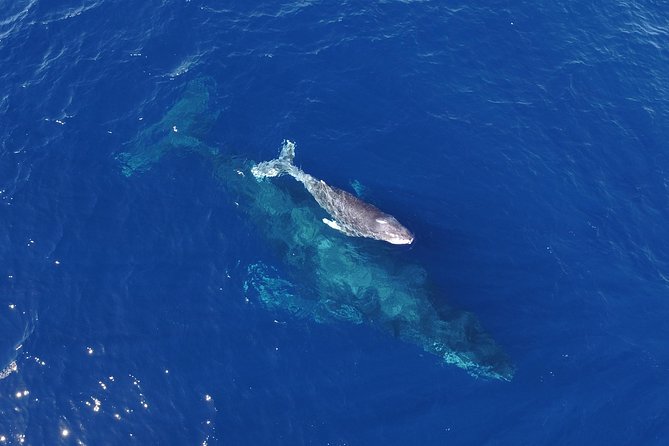
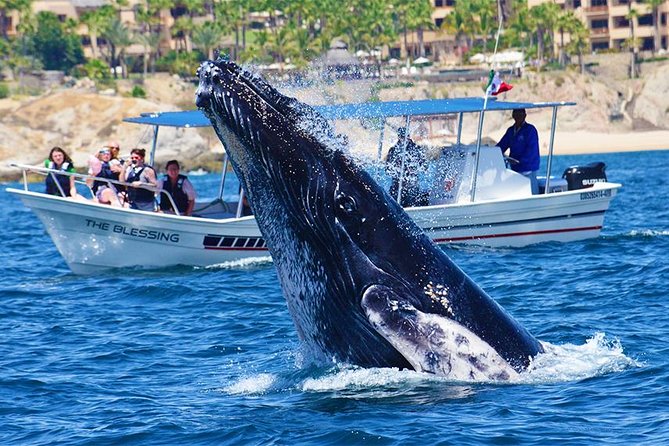
Humpback whales are the main target, especially during the winter season. You might see a blow first, followed by a back rolling through the water or a tail rising as the whale heads below. If luck is on your side, you could see breaching, tail slaps, several whales traveling together, or a mother and calf.
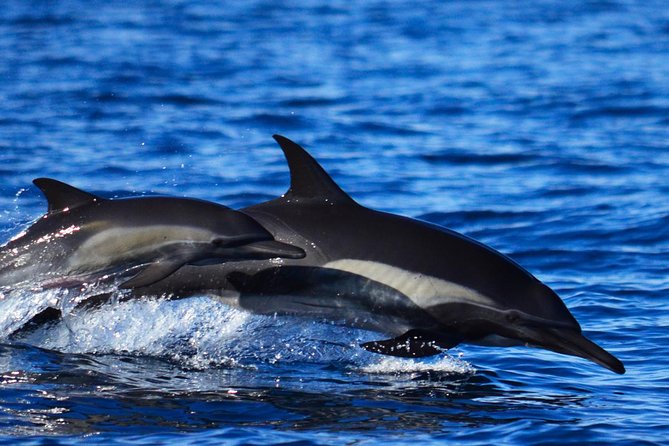
Recent trips have also included dolphins, sea lions, and sea turtles. Gray whales and sperm whales are possible as well. One particularly unusual combination reported on this experience included humpbacks and sperm whales, along with three sets of mothers and babies. Sightings remain wild and unpredictable, so no responsible operator can promise a particular species or behavior.
The captain’s role is important here. A good position gives you a clean view without forcing the boat too close. The best encounters described from this tour included whales swimming near the boat, sometimes passing underneath, while the crew maintained respectful distance. That balance is worth paying for. A close look is exciting, but the animal’s comfort has to come first.
You may spend time waiting, scanning the surface, and listening for instructions. That is normal. Whale watching is not a theme-park ride, and the moments between sightings are part of the experience. The marine biologist helps turn that waiting into useful time by explaining what the crew sees and why the boat is changing direction.
Hearing whales through a hydrophone
One of the most memorable features is the chance to hear humpback whales through a hydrophone. The guide submerges the recorder when conditions and whale activity make it worthwhile, allowing you to listen to sounds beneath the surface.
This is a different experience from watching a breach. You are no longer relying only on your eyes. The calls connect the visible animal with the larger world below the boat, and the guide can explain how whales communicate and behave.
The hydrophone will not necessarily be used on every trip, and it cannot create whale activity when the ocean is quiet. Still, it gives the tour an extra layer that many basic whale watches lack. If you want a trip that includes science and sound, this is a real advantage.
More photo tours and shoots in Cabo San Lucas:
- PRIVATE Whale Watch Tour | Cabo San Lucas | Biologist | FREE Pics
★ 5.0 · 98 reviews - Photo Session in Los Cabos
★ 5.0 · 93 reviews - Photoshoot in Los Cabos, the best experience!
★ 4.5 · 38 reviews - Private Photoshoot Session in Cabo
★ 5.0 · 21 reviews
The marine biologists make the difference
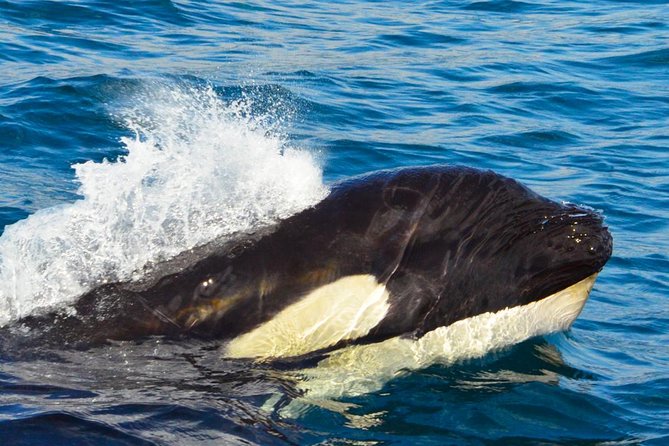
The guides are one of the clearest strengths of this experience. Oscar has been praised for explaining whales, climate change, and the geology of the Cabo area while keeping the mood relaxed and amusing. Victoria and Vittoria are noted for their enthusiasm and their ability to answer questions about humpbacks. Payo, a veterinarian specializing in marine biology, has also led trips.
Guide assignments can change, so you should not book expecting one particular person unless the operator confirms it. What appears consistent is the style of the guiding: science explained in plain language, with time for questions and genuine excitement when whales appear.
That enthusiasm is useful, but the guide’s conservation message matters just as much. You will hear why observation should not become interaction and why the boat avoids disturbing the whales. The crew also documents whale locations and migration patterns to support research, adding a practical conservation role to the outing.
Families can get a lot from this approach. Children may remember a breach, but they are also likely to learn why a whale surfaces, how a calf stays near its mother, and why the boat does not race after an animal. Adults who already know a little about marine life will still find plenty of context in the discussion.
Free photos and what they are worth
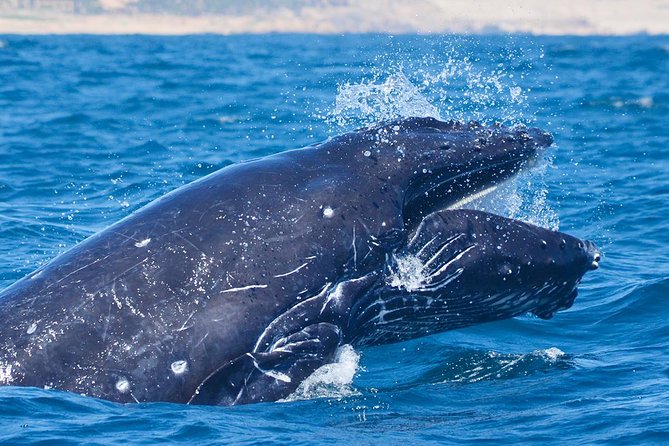
The guide takes photos during the tour and provides them at no extra cost. This is more useful than it may sound. Whale watching is a hands-busy activity: you are holding onto the boat, watching the surface, and trying to react quickly when a whale appears. It is hard to take good pictures and pay attention at the same time.
The photos also help with moments you missed. A breach can happen in a second, and a guide who is already watching the water may capture it more successfully than someone who is aiming a phone at random patches of ocean.
The pictures are sent after the outing, often within a day or a few days, though the exact timing can vary. Treat them as a welcome bonus, not a guaranteed professional photo package. You will still want your own camera or phone, especially for The Arch and the broader Cabo views.
Is $109 a fair price?
At $109 per person, this is not the cheapest way to get on the water. The value comes from what is included: a small group, a marine biologist, roughly two and a half hours, free photos, a restroom on board, and a whale sighting guarantee during the stated season.
A larger, cheaper boat may get you to the same general waters, but you could spend more time looking around other people or waiting for a clear view. Here, the group size gives you a better chance to hear the guide and see activity from the rail.
The whale guarantee also reduces some risk. If you take the tour between December 15 and April 15 and no whales are seen, you can receive a free second trip. It does not promise breaching or close approaches, but it does address the biggest worry many people have when booking a whale watch.
I consider the price reasonable for someone who values a more personal, educational outing. It is less compelling if you only want a quick boat ride, already have a separate whale guarantee, or are mainly interested in Cabo’s coastline.
Weather, seasickness, and comfort
The boat has restrooms and life jackets in all sizes. Most people can participate, but the experience requires good weather, and the ocean can be rough. One memorable trip took place in very choppy conditions, with spectacular whale activity but an uncomfortable ride.
If you are prone to seasickness, take the warning seriously. Bring your own motion-sickness medication and follow its instructions well before departure. One useful tip from the trip experiences is to take precautions early rather than waiting until nausea starts.
Water is not provided in single-use plastic bottles. Bring your own reusable bottle. This is a small planning point, but it matters on a sunny open-water trip.
There is no included transportation, so allow enough time to reach the marina and find the meeting point. The tour returns to the same location. Confirmation arrives when you book, and the experience is offered in English.
Free cancellation is available up to 24 hours before the start time for a full refund. Inside that window, changes and refunds are not accepted. Poor weather or failure to meet the minimum group size can lead to a different date, another experience, or a full refund.
Who will enjoy this most?
I would choose this tour for couples, families, and friends who want more than a quick wildlife photo. It suits you especially well if you like asking questions, want to understand whale behavior, or prefer a smaller boat to a large shared cruise.
Families should appreciate the all-size life jackets and the short enough duration. An infant has been accommodated on a past trip, but you should still consider your child’s comfort on an open-water boat and confirm any specific needs before booking.
Photographers will like the free images and the smaller group, though whale photography is always unpredictable. You may get a dramatic breach, or you may get a distant back and a quick tail. The crew can improve your chances, not control the wildlife.
This is less suitable if you dislike boat motion, need guaranteed calm water, or want a fully land-based Cabo sightseeing experience. It is also not the right choice if your schedule cannot allow for a possible second trip after a no-whale outing.
Should you book the Whale Watch Cabo trip?
I would book it during the December to April whale season, especially if the idea of hearing whales through a hydrophone appeals to you. The small group, marine biologist, conservation focus, and free photos give the $109 price a clear purpose.
Go in with realistic expectations. You may see a spectacular breach, dolphins, sea lions, mothers and calves, or several whales around the boat. You may also spend stretches scanning quiet water in a moving boat. That uncertainty is part of wildlife watching.
If you want an educational trip with a crew that works to give you good views without crowding the animals, this is a strong Cabo choice. Bring water, prepare for motion, and leave enough room in your schedule to enjoy the ocean rather than chase a checklist.
FAQ
Where does the whale-watching tour begin and end?
The tour begins at Whale Watch CaboPlaza Bonita, Blvd. Paseo de la Marina 17, Centro, Marina, Cabo San Lucas. It ends back at the same meeting point.
How long does the whale watch last?
The experience lasts approximately two hours and 30 minutes. About five minutes is set aside for photographs at The Arch, and roughly two hours are spent looking for whales and other marine life.
How many people can join the tour?
The maximum group size is 12 people. This makes it easier to see around the boat and speak with the marine biologist.
What animals might I see?
Humpback whales are the most common sighting. You might also see gray whales, sperm whales, dolphins, sea lions, and sea turtles.
Are photos included?
Yes. The guide takes photos during the trip and provides them for free afterward. They may be sent a day later or within a few days.
What happens if no whales are seen?
For tours taken from December 15 through April 15, the whale sighting guarantee provides a free second tour if no whales are seen. The tour can also be moved or refunded if poor weather prevents the activity from operating.
Just added around Cabo San Lucas
- Family photo shoot on beach monuments★ 5.0 · 5 reviews
- Private Photoshoot Session in Cabo★ 5.0 · 21 reviews
- Cabo epic private surf and video photography adventure★ 5.0 · 5 reviews
- Instagrammable Glass-bottom boat trip in Los Cabos Bay★ 5.0 · 2 reviews
- Private Photo Session Day in Los Cabos★ 5.0 · 10 reviews
- Photo Session in Los Cabos★ 5.0 · 3 reviews
- Farid Fotografia – Photo Session in Los Cabos★ 5.0 · 14 reviews
- Los Cabos Photographer★ 5.0 · 6 reviews
Whale Watching, side by side.
ZODIAC Whale Watch Tour | Cabo San Lucas | Biologist | FREE Pics
Read our review →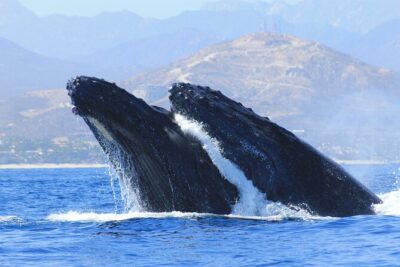
Los Cabos Whale Watching (Transportation and Pictures Included)
Read our review →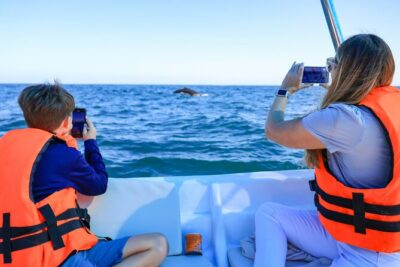
Whale Tour, Arch, Professional Photos & Hydrophone
Read our review →Lists this one turns up in