
Review · PHOTOGRAPHY TOURS
Bryce Canyon Photography Tours
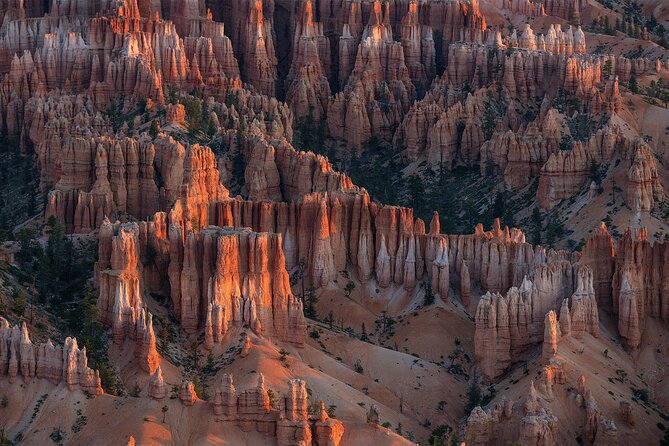
Bryce Canyon looks made for photography, but the real value here is learning how to turn those orange hoodoos into stronger pictures. Guide Hunter works with your existing skill level, then helps you improve camera settings, composition, and technique as you photograph the park.
I like the small group limit of four, which gives you room for direct instruction, and I like the choice between a sunrise rim tour and a nighttime walk among the hoodoos. The main consideration is timing: sunrise means an early pickup, while the astro tour begins one hour after sunset and requires walking in the dark.
Key points for choosing your Bryce Canyon photo tour
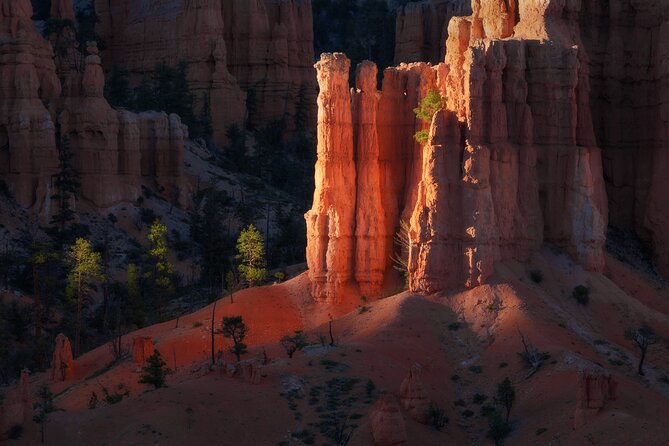
- Two distinct photography experiences: Choose sunrise viewpoints around the rim or an astro session among the hoodoos.
- Direct coaching from Hunter: The focus is on your camera and your choices, not simply being driven to scenic overlooks.
- Small group size: A maximum of four people allows for more personal feedback.
- Four possible rim viewpoints: Sunset Point, Sunrise Point, Bryce Point, and Inspiration Point may be used on the sunrise tour.
- Three hours of focused shooting: The time is built around practice, compositions, and instruction rather than a rushed park overview.
- Bring your own water and snack: No food or drinks are provided, so prepare before pickup.
Choosing between sunrise and the Milky Way
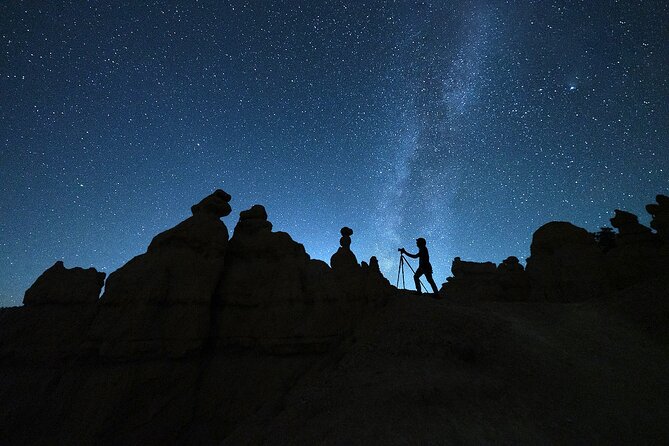
The first decision is simple: do you want Bryce Canyon in morning light or under a star-filled sky?
The sunrise tour begins about one hour before sunrise. You will visit two to four locations along the rim, giving you several chances to work with changing views and compositions. This is the easier option for most photographers because you remain near established viewpoints and do not need to manage a nighttime walk into the interior.
The astro tour begins one hour after sunset and lasts about three hours. You will walk into the interior of Bryce Canyon National Park, placing the hoodoos beneath the night sky and photographing the Milky Way. Several locations are used, so you can work with more than one composition instead of making a single night photograph and calling it done.
I would choose sunrise if you want broad views, clear orientation, and a gentler introduction to photography instruction. I would choose the astro tour if night photography is your main goal or if you want the hoodoos framed against the Milky Way.
The timing matters. A sunrise pickup can make for a very early start, while the astro tour keeps you out late and adds walking in darkness. Neither is a casual midday outing. You are paying for a focused photography session at a time when the light, or lack of it, makes the park especially useful for learning.
More Photography Tours in the USA
- From Waikiki: Best of Oahu Photo Tour with Pickup
★ 4.9 · 274 reviews - The Ultimate LA and Hollywood Photo Tour
★ 5.0 · 233 reviews - Beautiful Colors of Hawaii Photo Tour
★ 5.0 · 165 reviews
What Hunter actually helps you improve
This is not just a scenic ride with a few photo stops. The stated goal is to build on your current skill set so you finish more confident and capable than when you began.
That makes the tour useful for a wide range of photographers. You do not need to arrive as an expert, and you do not need to be satisfied with simply pointing your camera at the canyon. Hunter provides instruction on camera settings and composition while you are working in real conditions.
A past participant specifically credited Hunter with helping explain the camera and its functions, along with composition and other practical choices. That detail matters. Many visitors return from Bryce Canyon with plenty of pictures but little sense of why some work better than others. Here, you get a chance to ask about the decisions behind the image while the scene is in front of you.
Bring the camera you actually plan to use. The most useful instruction will come from working with your own controls, lenses, and habits. The available information does not specify camera requirements, so you should confirm any equipment questions before booking if you are unsure.
The small maximum group of four is another strong point. A larger group can turn technical help into a quick explanation for everyone. With four people or fewer, there is a better chance to get feedback on your individual settings and framing.
Sunrise Point, Sunset Point, Bryce Point, and Inspiration Point
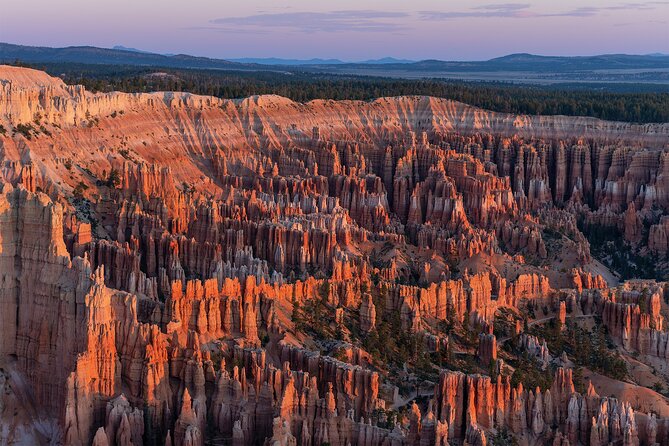
The sunrise route uses a selection of rim viewpoints, with two to four locations visited during the three-hour session. Four possible stops are listed: Sunset Point, Sunrise Point, Bryce Point, and Inspiration Point.
Sunset Point gives the tour a natural starting point for working with the famous hoodoo formations from the rim. Despite its name, it is part of the listed sunrise itinerary, so do not assume the name tells you the exact time of day you will visit. The value here is the chance to work on composition from a broad overlook before moving to another viewpoint.
Sunrise Point is a logical place to practice wide compositions and compare how the amphitheater changes from one rim position to another. If you are still learning, comparing nearby viewpoints can be more useful than racing from one distant location to the next. You can see how a small shift in position changes the balance between foreground formations and the distant rim.
Bryce Point provides another high rim position and adds variety to the morning route. The tour is designed to visit two to four locations, not necessarily all four, so the exact combination may vary. That flexibility is useful because photography time can disappear quickly when you are adjusting settings and working through compositions.
Inspiration Point rounds out the listed possibilities with another rim perspective. Multiple viewpoints help prevent the session from becoming one long attempt at a single composition. You can test different ways of organizing the hoodoos in the frame and receive feedback as you go.
The drawback is that the exact stop pattern is not guaranteed. If you have a favorite viewpoint, ask about the planned route when you arrange the tour. The benefit is that you are not locked into a rigid schedule if conditions or the pace of instruction call for a change.
Walking among hoodoos after dark
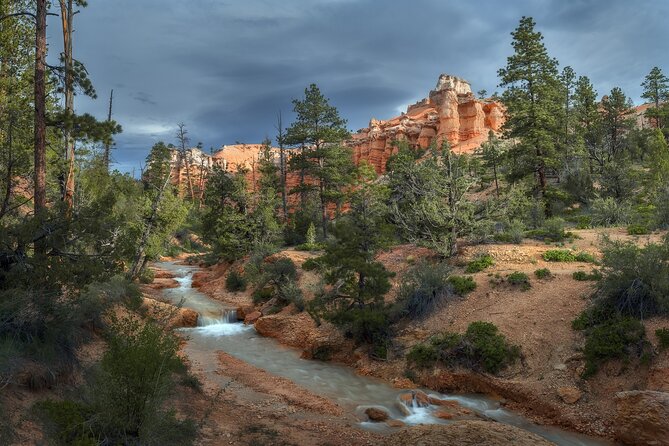
The astro tour is the more specialized option. One hour after sunset, you are picked up and then walk into the park interior to photograph the hoodoos beneath the Milky Way.
The appeal is clear. Instead of photographing only the canyon rim, you work with the formations placed high in the night sky. The combination of hoodoos and stars gives you a different kind of composition, one that depends on camera settings, framing, and careful handling of low light.
Hunter uses multiple locations during the three-hour session. That gives you more than one chance to find a composition that works for you. It also creates a practical lesson in adapting your camera to changing subjects instead of repeating the same setup.
This tour requires more from you than the sunrise option. You will be walking into the interior after dark, and no food or drinks are supplied. Bring water and a snack for yourself and anyone in your group. The available details do not specify the walking distance, trail conditions, or equipment supplied, so ask those questions before booking if they affect your comfort.
The astro option is best for someone who already knows that night photography interests them, or for someone who wants a concentrated lesson in camera settings. It is less suitable if you want a relaxed overlook visit with minimal walking.
Same backdrop, a different kind of shoot:
- The ‘OG’ Manatee Snorkel Tour with In-Water Guide/Photographer
★ 5.0 · 2,539 reviews - Manatee Swim Tour with In Water Photographer
★ 5.0 · 2,300 reviews - Guided Small Group Manatee Snorkeling Tour with In-Water Photographer
★ 5.0 · 1,336 reviews - LA: Hollywood Sign Tour with Comedians, Dogs, & Epic Photos
★ 4.9 · 1,193 reviews
Three hours that favor practice over rushing
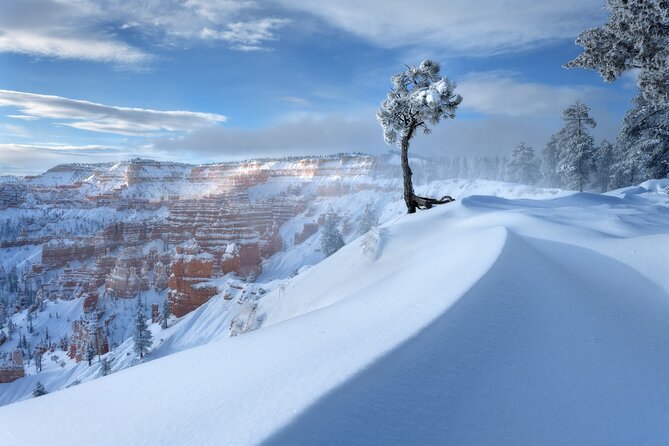
A three-hour session sounds short until you consider what the time includes. You have transportation, several locations, instruction, camera adjustments, and the time needed to make photographs rather than simply look at scenery.
For the sunrise tour, visiting two to four places means you should expect a moving session. At each stop, you will have time to work, but this is not an all-morning stay at one overlook. Keep your gear organized so you can begin shooting promptly.
For the astro tour, walking between multiple locations takes part of the time. That is not wasted time, since the movement is part of reaching different compositions, but it does mean you should arrive ready to use the available hours efficiently.
The air-conditioned vehicle makes the transport between locations more comfortable. Pickup is usually arranged through the lobby of Ruby’s Inn, though pickup can also be provided at lodging in Bryce City. That is useful if you are staying nearby and do not want to sort out a separate meeting point before an early morning or late night.
The tour is offered in English. Most people can participate, but the provider does not give more specific accessibility details. If walking, nighttime conditions, or mobility are concerns, ask before reserving.
Is $289 a fair price?
At $289 per person, this is not a low-cost sightseeing add-on. The value depends on how much you want personal photography instruction.
If you only want to see Bryce Canyon’s viewpoints, you can do that without paying for a private photography lesson. The price makes more sense when you treat the experience as a small-group workshop with transportation, guidance to selected locations, and direct help with your camera.
The group limit of four supports that value. You are not simply paying for a seat in a van. You are paying for access to a guide who is expected to comment on your settings and compositions while you work.
The price is also easier to justify if you own a camera but do not yet feel comfortable using its functions. Hunter’s teaching may help you make better use of equipment you already have. The strongest praise attached to the experience focuses on learning the camera and producing stronger photographs, not just reaching attractive viewpoints.
Still, you should be realistic. Three hours is enough for focused instruction, but not enough to cover every camera function or every type of composition. If you are already highly experienced, the value will depend more on the locations and the chance to work under sunrise or astro conditions than on basic coaching.
What to bring and how to prepare
Bring your camera and the equipment you normally use. The tour includes photography instruction, but the supplied details do not list camera rental, tripods, lenses, or other gear, so do not assume those items are provided.
Pack water and a snack. No food or beverages are included, and the early or late timing makes it easy to forget basic supplies.
Plan around the pickup time. Sunrise pickup is one hour before sunrise, while the astro pickup is one hour after sunset. You will want to be ready in the lobby of Ruby’s Inn or at your Bryce City lodging rather than trying to organize yourself at the last minute.
Because weather can cancel the experience, keep some flexibility in your schedule. If poor weather forces cancellation, you will be offered another date or a full refund.
The experience is often booked 107 days in advance. That is a useful planning clue, especially if your Bryce Canyon visit falls during a busy travel period. The booking page confirms availability within 48 hours, subject to availability, so do not treat a request as final until confirmation arrives.
Who will get the most from this experience?
I would recommend this tour to photographers who want help making decisions, not just help finding viewpoints.
It suits beginners who have a camera but still feel unsure about settings and composition. It also suits intermediate photographers who want a second set of eyes on framing and technique in a striking setting.
The sunrise tour is a good fit if you want several rim views and a structured morning session. It may also be the better choice if walking into the park at night does not appeal to you.
The astro tour suits people who specifically want the Milky Way and are willing to walk after dark. It offers a more unusual subject than a standard rim visit, but you need to be comfortable with the timing and the nighttime setting.
I would be less inclined to book it if you have no interest in photography instruction, want a long relaxed sightseeing tour, or need a fully detailed accessibility plan that is not provided here. The experience is built around learning and shooting for three hours, not checking off every major park stop.
Cancellation and practical booking notes
You can cancel up to 24 hours before the start time for a full refund. Changes or cancellations made less than 24 hours before the start are not accepted for a refund, and the cutoff uses local time.
Pickup is offered, with the guide typically meeting you in the lobby of Ruby’s Inn. Pickup from other lodging in Bryce City is also available. Group discounts are offered, and the mobile ticket makes it practical to keep confirmation on your phone.
Should you book the Bryce Canyon photography tour?
Book it if you want Bryce Canyon to teach you something about photography, not merely provide a backdrop. The best reasons are the maximum group size of four, the direct camera coaching from Hunter, and the choice between a sunrise rim session and a Milky Way outing among the hoodoos.
Choose sunrise for easier orientation and several rim viewpoints. Choose astro for a more focused night shoot and the chance to place the hoodoos beneath the Milky Way.
At $289, the tour earns its price through instruction and small-group attention. If that is what you want, it is a strong way to spend three hours in Bryce Canyon. If you only need transportation to scenic overlooks, save your money and explore on your own.
FAQ
How long does the Bryce Canyon photography tour last?
The tour lasts approximately three hours.
What photography tour options are available?
You can choose a sunrise photography tour or an astro photography tour.
What time does the sunrise tour begin?
Pickup takes place one hour before sunrise.
What time does the astro tour begin?
Pickup takes place one hour after sunset.
How many people can join the tour?
The maximum group size is four travelers.
Where is pickup available?
Pickup typically takes place in the lobby of Ruby’s Inn. Pickup from lodging in Bryce City is also available.
Is food or water included?
No. Food and beverages are not provided, so bring water and a snack for yourself and your group.
What happens if bad weather cancels the tour?
You will be offered a different date or a full refund if the experience is canceled because of poor weather.
Just added around the USA
- Focus on Haines Private Nature / Photography tour★ 5.0 · 38 reviews
- Exclusive Photography Tour Haines Departure★ 5.0 · 19 reviews
- Private Proposal Professional Photo Shoot – Grand Canyon★ 4.5 · 2 reviews
- Hire Photographer, Professional Photo shoot – Grand Canyon★ 5.0 · 29 reviews
- Photoshoot in Grand Canyon★ 5.0 · 2 reviews
- Full Day Guided Wildlife Photography Tour In Yellowstone★ 5.0 · 6 reviews
- Miami incredible Photoshoot – Private Session with a Professional Photographer★ 5.0 · 2 reviews
- Modern Vibe Fort Lauderdale Las Olas Photography Session★ 5.0 · 2 reviews
Photography Tours, side by side.

Rhodes: E-bike Highlights Sunset or Morning Photo Tour
Read our review →
Lists this one turns up in